Manufacturer & Installer View Project Portfolio Factory-direct aluminum, vinyl & impact-rated systems
Sales & trade:(832) 681-9190 Contact Us
0%

Choosing the right windows can affect comfort, energy use, and long-term maintenance. This 2026 buyer’s guide examines Thermally broken aluminum windows from a practical, evidence-based perspective. These systems place an insulating barrier between the inner and outer aluminum sections. That barrier reduces heat transfer through the frame.

Small details matter.

A well-designed window should support stable indoor temperatures, reduce surface condensation, and maintain smooth operation. Look beyond appearance. Check the frame’s thermal performance, glazing specification, air leakage rating, water resistance, hardware quality, and tested certifications. A narrow frame may look elegant, yet poor installation can weaken its real-world performance. Ask manufacturers for technical documents, test reports, warranty terms, and project references. Independent verification is more useful than impressive sales language.

Installation deserves equal attention. Measure the opening carefully, inspect the surrounding wall, and confirm how the sill will drain rainwater. During a site review, examine corners, gaskets, drainage paths, and the connection between frame and insulation. A cold edge near the glass can reveal a design or installation problem. Regional climate also matters; coastal exposure, winter frost, and strong sunlight demand different specifications. No window is perfect. Even advanced systems can underperform when installers rush, tolerances are ignored, or maintenance is forgotten. That is worth admitting.

This guide compares materials, performance data, costs, safety considerations, and supplier reliability. It also highlights compromises between slim profiles, large glass areas, acoustic control, and thermal efficiency. Use the information to question confident claims, compare like-for-like products, and choose a system suited to your building rather than a fashionable specification.
2026 Best Thermally Broken Aluminum Windows Buyers Guide

What Are Thermally Broken Aluminum Windows?

2026 Best Thermally Broken Aluminum Windows Buyers Guide

What Are Thermally Broken Aluminum Windows?

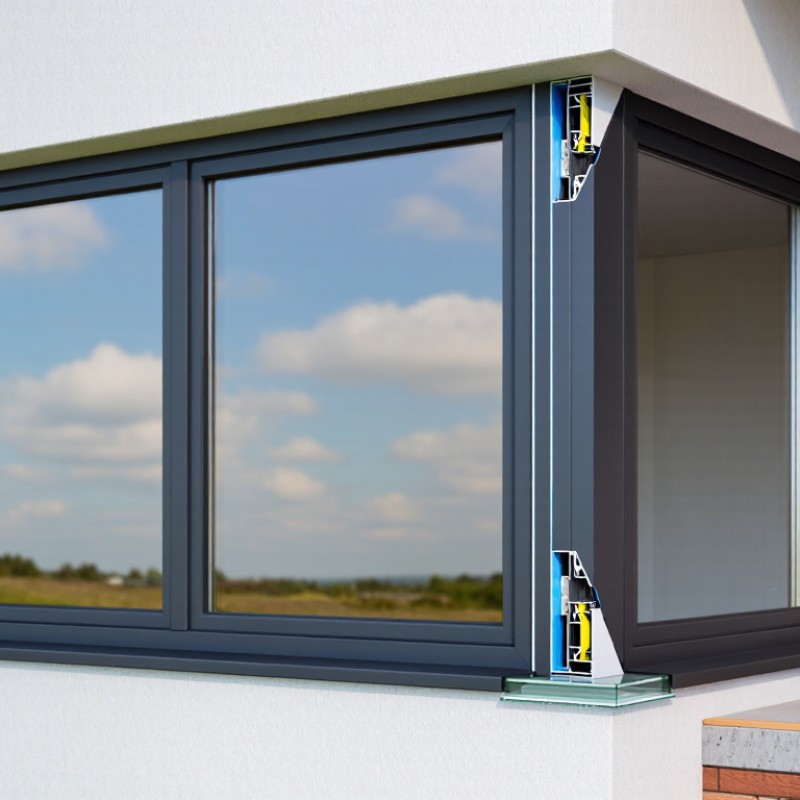
Thermally broken aluminum windows contain an insulating barrier between their interior and exterior metal frames. This barrier usually uses reinforced polyamide or another low-conductivity material. It interrupts the direct path that transfers outdoor heat and winter cold indoors.

Cold bridges matter. Without this separation, aluminum frames can become cold to the touch and encourage interior condensation. The U.S. Department of Energy reports that windows can cause 25% to 30% of residential heating and cooling energy use. Better frame design can reduce this burden, although glass, spacers, seals, and installation also influence results.

Look for certified U-factor and solar heat gain coefficient values. The National Fenestration Rating Council explains that lower U-factor generally indicates better insulation, while SHGC shows how much solar heat enters through the window. These figures provide more reliable comparisons than marketing descriptions alone.

In field inspections, installation remains a frequent weak point. A high-performing frame cannot correct an uneven opening, compressed seal, or missing insulation around the perimeter.

Ask for product test reports, thermal performance data, and installation specifications. Check the climate zone too. A low SHGC may help in hot regions, but it can reduce useful winter sunlight in colder areas.

Thermally broken does not mean thermally perfect. Framing depth, glass selection, drainage, and workmanship still matter. That detail is easy to overlook.

How Thermally Broken Aluminum Window Systems Work

A thermally broken aluminum window uses a non-metallic barrier inside its frame. Usually made from reinforced polyamide, this barrier separates the exterior and interior aluminum sections. It interrupts the direct path that transfers heat through metal. Heat still travels, but much more slowly. That detail matters. In a cold room, the inside frame feels less chilled, and condensation risk can decrease.

During a site inspection, I look closely at the thermal barrier, corner joints, gaskets, and drainage openings. These small parts affect real performance. The glass also matters because the frame is only one part of the window system. Low-emissivity glass, insulated spacers, and argon-filled cavities can improve insulation. However, an excellent frame cannot correct a poor installation. Gaps around the opening may cause drafts, water entry, and unexpected heat loss.

Buyers should compare whole-window U-factors, not only frame test values. Ask for air-leakage, water-resistance, and structural-performance results from recognized testing procedures. Check how the system handles aluminum expansion during temperature changes. A larger thermal break is not automatically better. That assumption can fail. Design, glass selection, seals, and installation must work together. In practice, careful fitting around the sill often matters more than impressive brochure language. Compressible tapes, sealed shims, and a level opening can make the difference on a rainy winter evening.

Key Performance Factors for Energy-Efficient Window Selection

Thermally broken aluminum windows separate the interior and exterior frames with a low-conductivity polyamide barrier. This interrupts heat flow through the metal. The U.S. Department of Energy estimates that windows can represent 25–30% of residential heating and cooling energy use. That figure makes frame design important, not decorative.

Compare the whole-window U-factor, not the glass value alone. Lower is better. The National Fenestration Rating Council explains that certified ratings include the frame, glass, spacer, and operating hardware. Check the Solar Heat Gain Coefficient too. In hot climates, a lower SHGC can reduce afternoon cooling loads. In colder regions, moderate solar gain may support winter comfort. A lower U-factor is not automatically the best choice.

Air leakage deserves equal attention. A narrow gap at the meeting rail can create a cold draft near a sofa, even with excellent glazing. NFRC labels report air leakage and visible transmittance, while condensation resistance helps assess interior glass-edge moisture. Ask for tested values and installation details. Field performance can fall when shims distort the frame or perimeter seals are compressed unevenly. That is the uncomfortable part.

Do not ignore orientation. A west-facing window may need exterior shading, despite strong glass performance. DOE guidance also stresses proper installation and sealing. Product data cannot rescue a poorly fitted opening. In practice, balancing U-factor, SHGC, air leakage, daylight, and condensation resistance is more reliable than chasing one impressive number.

How to Compare Frames, Glass, Hardware, and Certifications

2026 Best Thermally Broken Aluminum Windows Buyers Guide

How to Compare Frames, Glass, Hardware, and Certifications

Thermally broken aluminum windows should be compared as complete systems, not frame samples alone. The frame uses an insulating polyamide barrier to reduce conductive heat transfer. Ask for tested U-factor values, not vague claims about energy efficiency. Check the sightline, drainage paths, corner joints, and installation depth. A narrow profile looks elegant, but it may leave less room for reinforcement or drainage. Inspect cut sections when possible. A brochure cannot reveal every weakness.

Glass often controls comfort more than buyers expect. Compare double or triple glazing, low-emissivity coatings, gas fill, spacer type, and solar heat gain coefficient. For sunny rooms, a low SHGC can limit overheating, though it may reduce winter solar gains. Laminated glass can improve safety and sound control, but it adds weight. Hardware must match sash size and operating frequency. Test handles, locks, hinges, and rollers before ordering. Small failures matter. A stiff handle may signal alignment problems, not premium quality.

Certifications should come from recognized testing bodies and identify the exact configuration. Read air leakage, water penetration, structural pressure, thermal, and forced-entry results. Do not accept a certificate for different glass or window dimensions. Installation also affects performance. Request written details for flashing, sill support, fasteners, and perimeter sealing. Site conditions can expose gaps that laboratory testing never shows. I would allow time for a mock-up test. It may feel excessive, yet it can reveal drainage or movement issues early. Not every specification survives the jobsite.

Installation, Maintenance, Cost, and Long-Term Value Considerations

Installing thermally broken aluminum windows requires more than fitting the frame into a prepared opening. A qualified installer should check the rough opening, sill drainage, shims, fastener spacing, and perimeter air sealing. Small gaps can create drafts, water intrusion, or interior condensation. I have seen excellent windows underperform because installers rushed the sill flashing. The window was not the real problem.

Maintenance is usually simple, but it should not be ignored. Clean tracks and drainage holes twice a year, especially after construction or storms. Inspect gaskets, sealants, handles, and moving hardware for cracks or stiffness. Coastal homes may need more frequent frame cleaning because salt deposits accelerate surface damage. Do not block drainage paths with caulk. That mistake is surprisingly common. Ask for compatible replacement seals and hardware before installation, since availability affects future repairs.

Cost comparisons should include installation, interior finishing, disposal, permits, and possible structural corrections. A cheaper quote may exclude these items. Request an itemized proposal with glass specifications, thermal performance data, warranty terms, and maintenance responsibilities. Long-term value depends on climate, window orientation, shading, and installation quality, not only the frame price. Lower heating or cooling demand can improve operating costs, but savings vary by household behavior. The perfect estimate rarely exists. Keep realistic expectations, and review the installer’s references, insurance, and local compliance records before signing.

FAQS

What is a thermally broken aluminum window?

It has a low-conductivity barrier between the inner and outer aluminum sections. This barrier slows heat transfer. It is not perfect.

Why does thermal separation matter?

Standard aluminum can feel cold indoors during winter. Thermal separation reduces cold bridges and may lower condensation risk. Small gains matter.

Which ratings should buyers compare?

Compare the whole-window U-factor, not only the glass value. Lower U-factor usually means better insulation. Check the solar heat gain coefficient too.

How does climate affect the right window choice?

Hot regions often benefit from lower solar heat gain. Colder regions may need moderate sunlight for winter comfort. One number cannot decide everything.

Does the frame determine the window’s total performance?

No. Glass, spacers, seals, drainage, and hardware also affect results. A strong frame cannot repair weak glazing.

Why is installation so important?

An uneven opening can create drafts, leaks, and heat loss. Missing perimeter insulation also weakens performance. Details matter.

What installation details should buyers inspect?

Check level sills, sealed shims, compressible tapes, and continuous perimeter seals. Look for gaps near corners. Rain exposes mistakes quickly.

Can thermally broken windows eliminate condensation?

No. They can reduce interior condensation risk, but humidity, glass temperature, ventilation, and installation still matter. I would not promise dry glass everywhere.

Conclusion

This 2026 buyers guide explains what thermally broken aluminum windows are and how their insulated frame design reduces heat transfer between indoor and outdoor environments. By separating the interior and exterior aluminum sections with a low-conductivity barrier, these window systems can improve energy efficiency, indoor comfort, and condensation control while preserving aluminum’s strength, durability, and modern appearance.

The guide also outlines the key factors to evaluate when selecting an energy-efficient system, including frame construction, glass configuration, seals, hardware, air and water resistance, thermal performance, and relevant certifications. It compares the practical differences among frame and glazing options, then discusses installation quality, routine maintenance, purchase cost, and long-term value. With careful attention to climate, building design, performance ratings, and professional installation, buyers can choose thermally broken aluminum windows that provide reliable operation, lower energy use, and lasting performance.


Oliver

Oliver

Oliver is a professional marketing specialist dedicated to helping businesses understand products, discover practical solutions, and make confident decisions. With extensive knowledge of the company’s product portfolio and industry applications, he combines market insight, clear communication, and......