2026 Best Thermally Broken Aluminum Windows Buyers Guide
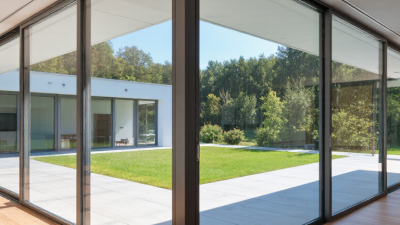
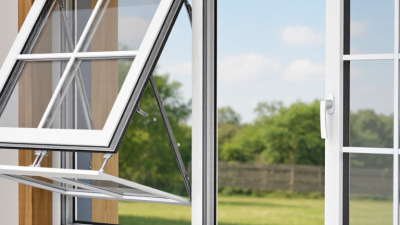
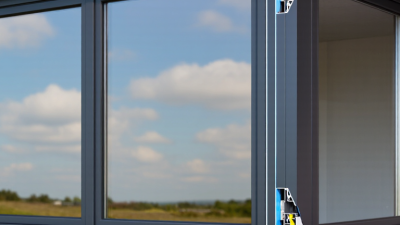
Choosing the right windows can affect comfort, energy use, and long-term maintenance. This 2026 buyer’s guide examines Thermally broken aluminum windows from a practical, evidence-based perspective. These systems place an insulating barrier between the inner and outer aluminum sections. That barrier reduces heat transfer through the frame.
Small details matter.
A well-designed window should support stable indoor temperatures, reduce surface condensation, and maintain smooth operation. Look beyond appearance. Check the frame’s thermal performance, glazing specification, air leakage rating, water resistance, hardware quality, and tested certifications. A narrow frame may look elegant, yet poor installation can weaken its real-world performance. Ask manufacturers for technical documents, test reports, warranty terms, and project references. Independent verification is more useful than impressive sales language.
Installation deserves equal attention. Measure the opening carefully, inspect the surrounding wall, and confirm how the sill will drain rainwater. During a site review, examine corners, gaskets, drainage paths, and the connection between frame and insulation. A cold edge near the glass can reveal a design or installation problem. Regional climate also matters; coastal exposure, winter frost, and strong sunlight demand different specifications. No window is perfect. Even advanced systems can underperform when installers rush, tolerances are ignored, or maintenance is forgotten. That is worth admitting.
This guide compares materials, performance data, costs, safety considerations, and supplier reliability. It also highlights compromises between slim profiles, large glass areas, acoustic control, and thermal efficiency. Use the information to question confident claims, compare like-for-like products, and choose a system suited to your building rather than a fashionable specification.
Read more »
 By:Oliver
- September 18, 2026
By:Oliver
- September 18, 2026