Manufacturer & Installer View Project Portfolio Factory-direct aluminum, vinyl & impact-rated systems
Sales & trade:(832) 681-9190 Contact Us
0%

Choosing the 2026 top impact-rated hurricane windows requires more than comparing glass thickness or marketing labels. A reliable evaluation should examine tested impact resistance, pressure performance, frame strength, installation quality, and long-term weather sealing. Standards such as ASTM E1886 and ASTM E1996 provide useful benchmarks. Regional approvals, including Florida Product Approval or Miami-Dade certification, can add valuable evidence.

Dr. David Prevatt, a recognized hurricane-wind engineering researcher, has emphasized a practical truth: “A window is only as strong as the wall around it.” That principle should guide every product comparison. Even premium laminated glass may fail when anchors, fasteners, or surrounding masonry are poorly installed. Small details matter.

Look closely.

This guide will compare leading Impact-rated hurricane windows through an evidence-based lens. It will consider structural testing, visible-frame design, glass configuration, thermal performance, noise reduction, warranty terms, and installer qualifications. Some products may perform brilliantly in laboratory conditions but offer less value in a difficult coastal retrofit. Others may provide strong protection while sacrificing daylight or ventilation.

The ranking is not absolute. Building location, exposure, budget, and installation conditions can change the best choice. I also need to acknowledge a common weakness in window comparisons: published ratings do not always reveal real-world maintenance problems. Salt air, aging seals, and repeated storm preparation deserve attention. The strongest 2026 option may therefore be the window that combines verified testing with careful installation and realistic ownership expectations.
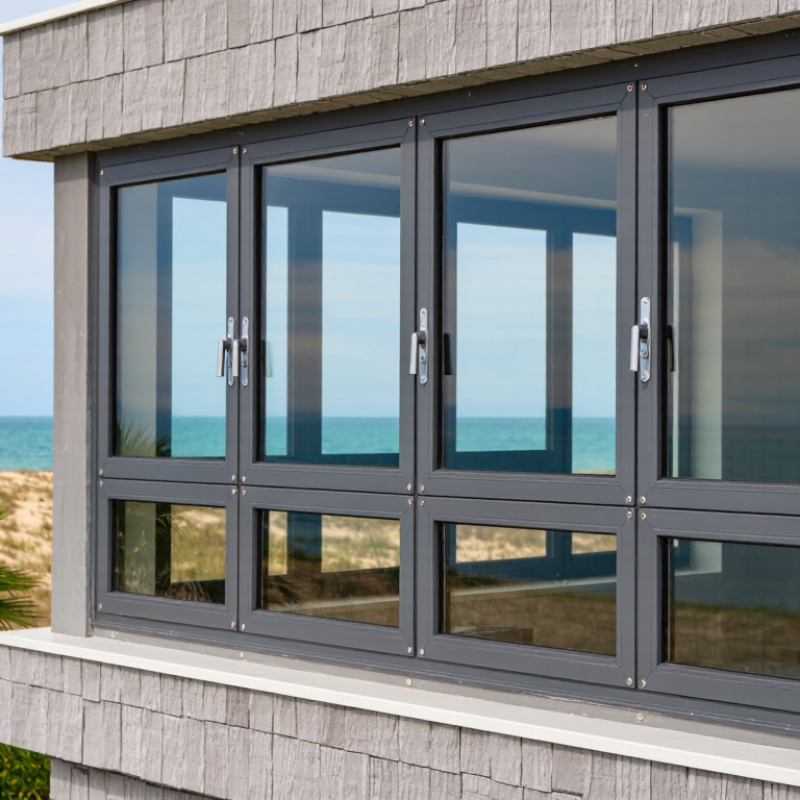
What Are the 2026 Top Impact Rated Hurricane Windows?

What Impact-Rated Hurricane Windows Mean in 2026

In 2026, impact-rated hurricane windows mean more than thick glass and a dramatic storm label. They are complete window systems, including laminated glass, reinforced frames, locks, and tested anchors. During testing, small debris strikes the glass repeatedly. The window must resist penetration and remain attached under strong wind pressure. Broken glass may crack, but its inner layer should hold the fragments together.

“Top rated” does not mean one universal ranking. Performance depends on impact testing, pressure ratings, frame design, and local building requirements. Coastal inspectors usually check permanent certification labels and approved installation details. A window rated for one storm zone may not satisfy another zone’s rules. Check the paperwork.

Installation matters more than many homeowners expect. A qualified installer should inspect the wall opening, use correct fasteners, and seal every joint against wind-driven rain. On renovation projects, loose shims or missing anchors can weaken an otherwise excellent window. That detail is easy to overlook. It should not be.

Homeowners should ask for test reports, pressure ratings, warranty terms, and maintenance instructions. They should also confirm whether the product is approved for new construction or replacement work. The “best” choice is not always the thickest glass. A properly fitted, certified system may protect better than a stronger-looking window installed carelessly. This point is uncomfortable, but real-world performance depends on both engineering and workmanship.

How Hurricane Window Ratings Are Tested and Certified

In 2026, the top impact-rated hurricane windows are not chosen by appearance alone. Their ratings come from controlled testing, documented results, and regional building requirements. A qualified laboratory typically tests the complete window assembly, including glass, frame, locks, and anchors.

Testing begins with large and small missile impacts. Steel or wood projectiles strike vulnerable areas, such as the center and corners of the glass. The window must resist penetration and remain attached.

It then faces repeated positive and negative pressure cycles. These cycles imitate hurricane wind loading and expose weak connections.

Water testing matters too. Wind-driven rain is sprayed against the window while pressure changes continue. Air leakage and structural performance may also be measured under recognized standards, including ASTM E1886 and ASTM E1996. Some coastal regions require additional testing under local protocols, such as TAS procedures.

Certification should identify the tested product configuration, not merely a glass type. A thicker pane may perform differently when paired with another frame or fastening system. Installation is critical. Even a certified window can fail when anchors are poorly spaced or the surrounding wall is weak.

I have seen homeowners focus on impact glass and overlook the frame. That is an understandable mistake. Ratings should be verified through official test reports, product labels, and local code approval. “Top rated” is not a universal ranking. It depends on wind speed, exposure, opening size, and installation conditions.

Performance Features of the Top-Rated Hurricane Windows

What Are the 2026 Top Impact Rated Hurricane Windows?

The strongest hurricane windows combine laminated impact glass with reinforced frames and secure anchoring systems. The glass should resist windborne debris without scattering dangerous shards indoors. Look for tested missile-impact performance, not just a marketing label. Design pressure ratings also matter because coastal wind loads vary by building height, location, and exposure. A window rated for one opening may not suit another.

Air and water resistance deserve equal attention. During a storm, small installation gaps can allow wind-driven rain into walls and insulation. Multi-point locks, compression seals, and carefully fitted corners help control these risks. Thermal performance is useful too, especially when laminated glass, low-emissivity coatings, and insulated frames reduce heat transfer. Comfort improves on ordinary hot days.

A reliable assessment should include laboratory test reports, certification records, and local code requirements. Installation quality remains critical. Even an excellent window can fail when fasteners miss structural framing or spacing is incorrect. No window is perfect. Some impact glass may feel heavier, darker, or less flexible in design. I would also question impressive ratings without clear testing details. The best choice balances debris protection, pressure resistance, water control, energy performance, and the actual structure supporting the window.

Comparing 2026 Hurricane Window Materials and Designs

In 2026, top impact-rated hurricane windows will depend on materials, testing, and installation quality. Laminated glass is the central defense. Its bonded interlayer can hold fragments after impact, reducing interior exposure. ASTM E1886 and E1996 evaluate impact resistance through controlled missile testing. However, passing impact testing does not guarantee equal water or wind performance.

Aluminum frames provide strong structural support and suit wide openings. Thermal bridging can reduce comfort, though. Vinyl frames resist corrosion and usually cost less, but reinforcement quality varies. Fiberglass offers dimensional stability during temperature changes, yet availability may be limited. According to the U.S. Department of Energy’s Energy Saver guidance, windows can influence about 25–30% of household heating and cooling energy use. Low-emissivity coatings and insulated glazing may improve efficiency. They do not replace proper storm protection.

Tips: Check the complete product approval, design-pressure rating, and installation instructions. Ask whether testing covered wind pressure, water intrusion, and repeated impacts. A heavier frame is not automatically safer. Inspectors often find weak anchors around otherwise strong windows. I would also compare frame depth and glass thickness, not just the impact label. The perfect material does not exist. Local exposure changes the better choice.

What Are the 2026 Top Impact Rated Hurricane Windows? - Comparing 2026 Hurricane Window Materials and Designs

Window Material and Design Impact-Resistant Glazing Relevant Performance Standards Frame Characteristics Thermal Performance Potential Corrosion and Moisture Resistance Typical Advantages Important Limitations 2026 Selection Rating
Thermally Broken Aluminum Frame with Laminated Insulating Glass Two panes with a permanently bonded interlayer, commonly using laminated glass on the exterior pane. Insulating versions may use argon-filled cavities and warm-edge spacers. Look for product-level compliance with ASTM E1886 and ASTM E1996. Coastal jurisdictions may also require local large-missile, pressure-cycle, water, and air-infiltration testing. High structural strength, narrow sightlines, and good dimensional stability. A thermal break reduces direct heat transfer through the metal frame. Moderate to high, depending on the thermal break, glazing package, spacer, and frame depth. A certified NFRC U-factor should be compared rather than relying on frame material alone. Excellent when the finish and fasteners are correctly specified for coastal exposure. Aluminum can still experience galvanic or finish corrosion if incompatible metals and fasteners are used. Strong choice for large openings, modern elevations, impact resistance, and areas requiring slim frames. Usually conducts more heat than insulated vinyl or fiberglass systems. Untreated or poorly maintained finishes may deteriorate in salt-air environments. Excellent for strength and large openings
Reinforced Vinyl Frame with Laminated Insulating Glass Laminated impact glass remains bonded after breakage and helps reduce penetration from windborne debris. Double-pane configurations can improve insulation and sound control. Impact glazing and the complete window assembly should be tested to ASTM E1886/E1996 or an applicable regional standard. The frame, sash, fasteners, and installation method must be included in the approval. Low-maintenance frame with welded or mechanically joined corners. Reinforcement may be required in meeting rails, jambs, or larger units. Often high because vinyl has low thermal conductivity. Actual results depend on chamber geometry, reinforcement, glazing, spacer, and air leakage. Very good resistance to moisture and salt air. Drainage paths and weep systems must remain clear. Good balance of insulation, maintenance, and cost for many residential applications. Large sizes may require substantial reinforcement. Thermal movement and frame color limitations should be reviewed for hot climates. Very good for energy efficiency and value
Fiberglass Frame with Laminated Insulating Glass Laminated glass with an impact-rated interlayer can be paired with double- or triple-pane insulating units where the tested assembly permits it. Confirm assembly-specific impact approval under ASTM E1886/E1996 or the governing local code. A glass label alone does not certify the complete window. High dimensional stability with low thermal expansion relative to vinyl. The frame can be reinforced for larger openings while retaining a relatively low-conductivity profile. Generally high. Verify the whole-unit NFRC U-factor, solar heat gain coefficient, visible transmittance, and air-leakage rating. Excellent resistance to moisture, rot, and salt-air exposure when the hardware and finish are also corrosion appropriate. Strong long-term stability, good insulation, and suitability for demanding temperature changes. Fewer design options may be available than for aluminum or vinyl. Initial cost and availability can be higher in some markets. Excellent for durability and thermal stability
Composite or Hybrid Frame with Laminated Glass May combine laminated impact glazing with a reinforced polymer, fiberglass, or aluminum structural component. The exact material stack-up must match the tested configuration. Require documentation for ASTM E1886/E1996, applicable local wind-load testing, water penetration, air leakage, and forced-entry requirements where applicable. Designed to combine structural reinforcement with a lower-conductivity interior surface. Performance varies significantly by construction. Moderate to high, depending on the proportion of metal, thermal breaks, reinforcement, and insulating glass configuration. Generally very good, but exposed metal components, hardware, seals, and fasteners still need coastal-grade specifications. Can provide a useful compromise between structural capacity, insulation, appearance, and opening size. “Composite” is not a uniform technical category. Independent test reports and material details are especially important. Very good when documentation is complete
Aluminum Fixed Picture Window with Laminated Glass Fixed laminated glazing avoids operable hardware and can be configured with insulating glass for improved thermal performance. Verify the required design-pressure rating and impact classification for the opening size. ASTM E1886/E1996 testing applies to the complete window assembly. Fixed units usually offer high stiffness and fewer moving components. Mullions and anchors must be sized for the combined opening. Moderate to high with a thermal break and insulated glazing; fixed units generally have lower air leakage than operable units. Good to excellent with an appropriate marine-grade finish, stainless or compatible fasteners, and proper drainage. Excellent daylight and view area, strong wind resistance, and reduced maintenance compared with operable designs. Does not provide natural ventilation. Large glass areas can increase solar heat gain unless low-emissivity coatings and shading are used. Excellent for non-operable large openings
Impact-Rated Horizontal Slider with Laminated Glass Laminated impact glass provides post-breakage retention. The glazing and rollers must be part of the tested slider configuration. Confirm impact, pressure-cycle, water, air, and operational testing. Sliding units may have different design-pressure limits from fixed or hinged windows. Operable tracks, rollers, locks, interlocks, and meeting rails create more performance-sensitive components than fixed windows. Moderate to high depending on frame design, glazing, seals, and air-leakage performance. Good when tracks drain properly and hardware is corrosion resistant. Tracks require routine cleaning in sandy or salty locations. Provides ventilation while retaining impact-resistant glazing and generally requires less exterior clearance than an outward-opening unit. More vulnerable to air and water leakage if tracks, seals, rollers, or locks wear. Not all sliders are approved for the same wind pressures. Good for ventilation with regular maintenance
Impact-Rated Casement or Awning Window with Laminated Glass Laminated glass is held within a continuously sealed sash. Multi-point locking can improve compression of the weather seals when properly adjusted. Verify the complete assembly’s ASTM E1886/E1996 or local approval, including hinges, locks, sash, frame, and installation anchorage. Typically offers a tight compression seal when closed. Hardware and hinge-side anchorage must be designed for the specified wind pressure. Often high because compression seals and a well-sealed sash can limit air leakage. Whole-unit test data remains decisive. Good to excellent with corrosion-resistant hardware and properly maintained gaskets. Strong ventilation control, good sealing potential, and effective water-shedding geometry when correctly installed. Requires exterior clearance for operation. Hardware adjustment and seal maintenance are important in high-wind coastal environments. Excellent for sealing and controlled ventilation
Comparison basis: product categories available for 2026 projects. Performance values and approvals are assembly-specific; always verify the current certification, design-pressure rating, local code requirements, glazing label, and installation details before purchase.
Key evaluation rule: Impact resistance is not determined by glass or frame material alone. A window qualifies for a specific hurricane application only when the complete tested assembly—including glazing, frame, locks, hardware, anchors, and installation method—meets the required regional standards and design pressures.

How to Select and Verify the Right Impact Window for Your Property

Choosing a top-rated impact window in 2026 starts with the opening, not a product label. Measure each window, note its exposure, and ask what wind pressures apply to your address. Coastal corners, upper floors, and large glass openings may face different demands. Details matter. Impact-rated glass commonly uses laminated layers that can remain in place after breakage, but the complete unit matters. Frame strength, hardware, mullions, and anchorage all affect performance. One rating does not fit every opening.

Request the window’s test or certification documents. Match them to the exact model, size, glass, and frame configuration being quoted. Check that the listing covers impact resistance and the required design pressure. Ask who tested the product and where its certification can be verified. Then compare the paperwork with the label on the delivered unit. Not just the brochure. Confirm installation instructions, fastener spacing, and substrate requirements before work begins. A strong window can still underperform if installed into weak framing or with missed anchors. Honestly, the documents can be tedious, and sellers may use similar-sounding terms. Pause over mismatched sizes or vague answers; ask a qualified local window professional or building official to confirm the specification for your property.

FAQS

What makes a hurricane window effective?

It combines laminated impact glass, reinforced frames, and secure structural anchoring. The glass holds fragments together after debris strikes. No window is perfect.

Why is laminated glass important during hurricanes?

Its bonded interlayer helps keep broken glass attached. This can reduce dangerous shards entering the room. It does not prevent every type of damage.

Do impact ratings guarantee complete storm protection?

No. Impact testing mainly evaluates resistance to controlled debris strikes. Wind pressure, water intrusion, and installation quality require separate attention.

Which window materials are commonly considered?

Aluminum supports wide openings but may transfer more heat. Vinyl can resist corrosion and cost less. Fiberglass remains stable during temperature changes, though availability may be limited.

What should a buyer check besides the impact label?

Review the design-pressure rating, complete test reports, and installation instructions. Ask about wind, water, and repeated-impact testing. A label alone says little.

Why does installation quality matter so much?

Fasteners must connect with structural framing, not weak surrounding materials. Incorrect spacing or small gaps can allow wind and rain inside. Strong glass cannot fix poor anchoring.

Can hurricane windows improve household comfort?

Low-emissivity coatings and insulated frames may reduce heat transfer. Laminated glass can also improve indoor comfort during hot weather. Storm protection still comes first.

How should window performance match a building?

Ratings should reflect height, location, exposure, and opening size. A window suitable for one opening may fail elsewhere. Local requirements deserve careful review.

Is a heavier frame always safer?

Not necessarily. Strength depends on frame design, reinforcement, anchors, and testing. Weight can feel reassuring, but that impression may mislead.

What weaknesses should homeowners realistically expect?

Some impact glass may look darker, feel heavier, or limit design choices. Impressive ratings can also hide unclear testing details. I would ask more questions.

Conclusion

In 2026, Impact-rated hurricane windows are designed to help protect homes and buildings from extreme wind, airborne debris, heavy rain, and pressure changes during severe storms. Their performance depends on more than strong glass: the complete window system, including the frame, seals, locking points, and installation method, must work together. Certified products are tested under controlled conditions for wind pressure, repeated impact, water resistance, air leakage, and structural strength, allowing property owners to compare performance with greater confidence.

The top-rated hurricane windows typically combine laminated impact glass with durable frames made from materials such as aluminum, vinyl, or reinforced composites. Each option offers different benefits in strength, insulation, maintenance, appearance, and cost. When selecting a window, property owners should review certification labels, test reports, design-pressure ratings, energy-performance data, and local installation requirements. Verifying that the product size, configuration, framing system, and installation plan match the building’s needs is essential for achieving reliable long-term protection.


Ethan

Ethan

Ethan is a dedicated marketing professional with a strong understanding of product strategy, customer needs, and digital communication. As a key contributor to the company’s marketing team, he combines practical industry knowledge with a clear, research-driven approach to create valuable content......