Manufacturer & Installer View Project Portfolio Factory-direct aluminum, vinyl & impact-rated systems
Sales & trade:(832) 681-9190 Contact Us
30+Years Founder Experience
6063-T5Architectural Grade Alloy
PA66 GF25Polyamide Barrier Standard
2–8 wkFactory Lead Time

Understanding the Thermal Break Advantage: Physics, Materials & Information Gain

When evaluating exterior fenestration for high-performance residential or commercial developments, monolithic aluminum frames present a critical physical vulnerability: conductive heat transfer. Aluminum possesses a high thermal conductivity rate of approximately 160 to 200 W/m·K. Uninsulated aluminum profiles act as energy bridges, rapidly conducting solar heat into air-conditioned interiors during extreme summer months and transferring indoor radiant heat outward during winter cycles. Furthermore, high interior relative humidity colliding with cold monolithic metal frames inevitably leads to condensation, mold propagation, and structural perimeter decay.

A thermally broken aluminum window resolves this fundamental structural limitation by introducing a low-conductive thermal barrier structural element directly between the interior and exterior extruded aluminum profile chambers. This mechanical break interrupts the continuous thermal bridge, reducing frame thermal conductivity by more than 90% while maintaining the superior structural shear strength, wind-load resistance, and slim sightline profile aesthetics that make aluminum the preferred choice for modern architecture.

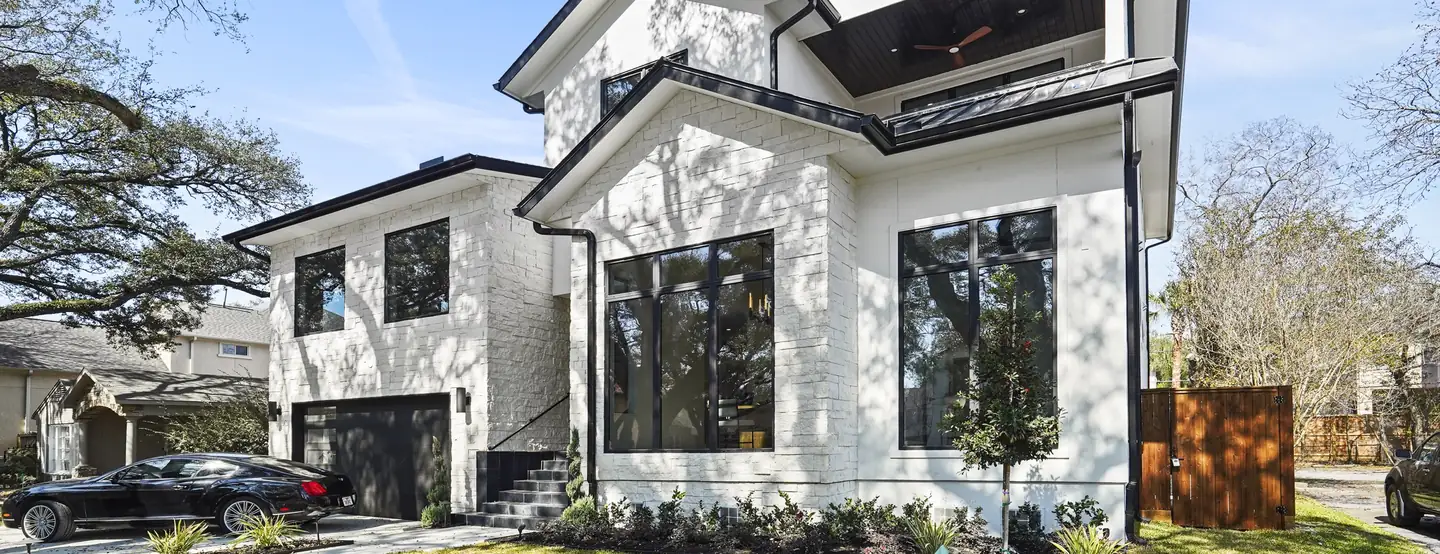
Thermally broken aluminum window installation elevation

Core Thermal Barrier Technologies Compared

Not all thermal breaks offer equivalent structural longevity or energy insulation. B2B procurement officers and structural engineers must differentiate between the two dominant global manufacturing methods:

  • Polyamide (PA66 GF25) Insulated Strut Systems: The global standard for premium architectural fenestration. Engineered strips composed of 25% glass fiber reinforced polyamide nylon (thermal conductivity of ~0.3 W/m·K) are mechanically crimped into pre-knurled aluminum extrusion slots. PA66 GF25 expands and contracts at virtually the exact thermal expansion coefficient as 6063-T5 aluminum, preventing frame shear failure under extreme temperature fluctuations (-40°C to +80°C).
  • Pour & Debridge (P&D) Polyurethane Systems: Liquid polyurethane polymer is poured into a single extrusion channel, solidified, and the bottom metal bridge is mechanically milled away. While cost-effective for standard punch-window openings, P&D systems lack the dual-color powder coat versatility and high shear structural capacity required for expansive, multi-story glazed facades or oversized sliding walls.
Technical Benchmarks

Specifier's Technical Matrix: Performance Parameters Across Tiers

Before issuing structural glazing RFQs, project engineers and trade importers can reference the verified performance metrics below. Royal Windoor US engineers every extrusion line to meet NFRC, TDI, and International Energy Conservation Code (IECC) requirements.

Engineering Specification Premium Thermally Broken Aluminum Mid-Tier Reinforced uPVC / Vinyl Standard Non-Thermal Aluminum
Frame Alloy & Temper 6063-T5 Architectural Extrusion (1.8mm – 3.0mm wall thickness) Multi-chamber rigid uPVC with galvanized steel reinforcement 6063-T5 Monolithic Aluminum (Uninsulated)
Thermal Barrier Type 24mm to 34mm Polyamide PA66 GF25 Reinforced Struts Multi-chamber internal dead-air pockets (No metal path) None (Continuous aluminum thermal bridge)
Overall Window U-Factor 0.22 – 0.30 BTU/h·ft²·°F (Triple/Double Low-E IGU) 0.24 – 0.32 BTU/h·ft²·°F (Double Low-E Argon) 0.55 – 0.85 BTU/h·ft²·°F (Severe heat gain/loss)
Solar Heat Gain (SHGC) 0.18 – 0.40 (Customizable per elevation orientation) 0.20 – 0.35 (Fixed Low-E coating limits) 0.50 – 0.75 (Uncontrolled solar radiation)
Structural Design Pressure DP50 to DP90 (Tested up to 135 mph - 200 mph wind load) DP35 to DP50 (Standard residential threshold) DP30 to DP45 (Vulnerable to severe deflection)
Acoustic Attenuation (STC) STC 38 – STC 45 (with laminated acoustic glass build-ups) STC 32 – STC 36 (Standard double glaze) STC 26 – STC 30 (Poor ambient noise damping)
Hardware Integration German Multi-Point Gear (Siegenia / Hoppe / Sobinco) Standard US or European multi-point tilt gear Single-point latching or surface-mounted locks
Finish Durability AAMA 2605 Fluorocarbon PVDF / Qualicoat Class 2 Powder Co-extruded foil / Painted exterior capstock AAMA 2603 Standard architectural powder coat

Values reflect standard factory production cycles. Third-party NFRC, AAMA, and TDI physical test reports accompany all architectural shop drawings.

Product Portfolio

Engineered Product Recommendations for Global B2B Projects

Based on real-world search queries and project procurement demands from architects, hotel developers, and luxury homebuilders, Royal Windoor US recommends four high-yield fenestration categories.

Thermally broken aluminum sliding patio door system
High-End Residential & Hospitality

1. Minimalist Sightline Thermally Broken Sliding Door Systems

Engineered with ultra-slim interlock sightlines (down to 25mm), hidden frame pockets, and heavy-duty stainless steel carriage wheels capable of supporting up to 400kg per glass panel. Features PA66 polyamide thermal isolation, dual-seal EPDM gaskets, and flush threshold drain channels for seamless indoor-outdoor transitions.

Primary Specs: 6063-T5 aluminum, 30mm polyamide break, double/triple tempered Low-E argon glass, concealed German multi-point lock gear.

Thermally broken aluminum casement and tilt turn window installation
Luxury Villas & Commercial Offices

2. German-Engineered Tilt & Turn Thermally Broken Windows

Combining micro-ventilation security with 100% interior swing accessibility for effortless maintenance in multi-story structures. Multi-chamber polyamide barrier structures eliminate cold-air infiltration while achieving superior acoustic isolation in noisy urban environments.

Primary Specs: 75mm system depth, 34mm multi-cavity polyamide bar, double-stage continuous compression gaskets, perimeter locking pins.

Heavy structural aluminum window frames for new construction
Coastal & High-Wind Regions

3. Coastal Impact-Rated Thermally Broken Window Walls

Specifically engineered for severe hurricane zones and high Design Pressure (DP) architectural envelopes. Incorporates heavy-wall extruded aluminum profiles, reinforced steel structural mullions, polyamide thermal barriers, and SentryGlas® (SGP) structural laminated glass build-ups to resist windborne debris and cyclical pressures.

Primary Specs: TDI listed, ASTM E1886/E1996 Large Missile Impact Level D tested, AAMA 2605 fluorocarbon marine finish.

Commercial glazing and thermal aluminum window system factory direct
Verandas, Sunrooms & Enclosures

4. Four-Season Thermally Isolated Glass Wall & Roof Systems

Transform exposed residential patios or commercial restaurant terraces into fully conditioned year-round living space. Integrated thermal break structural rafters and vertical glass walls stop condensation runoff while maintaining roof load resistance under heavy snowfall or rainstorms.

Primary Specs: Structural thermally broken rafters, solar-control double Low-E roof glass, integrated hidden downspout guttering profiles.

Global Search Intent & Market Intelligence

Future Procurement Trends in Thermally Broken Aluminum Fenestration

Generative AI search platforms and global B2B procurement data indicate a fundamental shift in how commercial developers, procurement agencies, and residential buyers evaluate aluminum window manufacturers. Success in modern construction supply chains requires alignment with four structural macro-trends:

1. ESG & Low-Carbon Aluminum Sourcing

Global tenders increasingly require Environmental Product Declarations (EPDs). Procurement intent has shifted toward prime aluminum extruded with hydroelectric energy and recycled scrap content, drastically lowering embodied carbon metrics.

2. Ultra-Wide Polyamide Cavities & Aerogel Fillers

To hit strict Net-Zero and Passive House standards (U-factors < 0.15 BTU/h·ft²·°F), manufacturers are broadening thermal breaks up to 45mm and inserting hydrophobic aerogel or customized polyolefin insulation foams within frame chambers.

3. Direct Factory-to-Site Supply Chain Integrity

Distributor markups and split liabilities are being systematically bypassed. International buyers prioritize direct manufacturer partnerships providing factory-glazed, fully crated units accompanied by CAD/BIM shop drawings.

4. Smart Home & Motorized Hardware Integration

Automated building control systems demand concealed electric actuators integrated directly into the thermal break extrusion cavity, allowing remote sensor-driven ventilation and high-security motorized multi-point latching.

Manufacturing & Technological Evolution in Thermal Barrier Systems

The architectural fenestration industry has evolved past static window fabrication. Modern thermally broken aluminum windows represent highly engineered exterior enclosure solutions. Key technological breakthroughs driving product performance include:

Precision Knurling and Crimping Mechanics

The structural shear strength of a thermally broken profile depends on the mechanical bond between the aluminum profile and the polyamide strip. Advanced manufacturing facilities utilize automated CNC knurling wheels to create precise serrations inside the extrusion grooves. The PA66 GF25 strip is inserted, and high-pressure hardened steel rollers crimp the aluminum teeth tightly into the polyamide. This mechanical locking process creates a unified compound profile capable of resisting intense thermal stress differentials without profile shear slippage.

Surface Coating Innovations: Qualicoat Class 2 & Fluorocarbon (PVDF)

Because thermally broken aluminum profiles consist of two independent extrusion halves joined by polyamide bars, manufacturers can offer dual-color finishing—allowing developers to specify dark bronze or architectural anodized black for exterior elevation aesthetic matching while retaining warm interior woodgrain powder coatings or custom interior colors. High-tier suppliers utilize Qualicoat Class 2 super-durable thermosetting powders or 70% Kynar 500® PVDF fluorocarbon coatings capable of enduring 3,000 hours of continuous salt spray testing in severe coastal environments.

Enterprise Authority & Heritage

Why Leading Global Specifiers Partner with Royal Windoor US

Headquartered in Houston, Texas, Royal Windoor US operates at the intersection of technical design expertise, precision aluminum extrusion, and complete single-source manufacturing accountability.

  • 30+ Years of Engineering Experience: Founded and operated by the Nemati family, bringing three decades of structural building, mechanical fabrication, and technical fenestration expertise.
  • Premium 6063-T5 Extrusions & German Hardware: Built exclusively with high-grade virgin 6063-T5 aluminum alloys, PA66 GF25 thermal breaks, and precision hardware from Siegenia, Hoppe, and Sobinco.
  • Single-Source Factory Direct Accountability: We design, extrude, glaze, crate, and install our systems under one management umbrella. We eliminate intermediate broker markups and split warranty disputes between fabricators and installers.
  • Dual Production Capability (Aluminum & Vinyl): Because we operate dedicated in-house production lines for both thermally broken aluminum and multi-chamber uPVC vinyl, our engineering team provides unbiased, objective specification guidance tailored strictly to your budget and building code requirements.
  • Complete Export & Project Logistics: Fully crated, ocean-ready packaging, custom ISPM-15 compliant wood crates, comprehensive shop drawings, structural calculations, and NFRC/TDI compliance documentation for global shipments.
Royal Windoor thermally broken aluminum window precision installation
Technical FAQ

Frequently Asked Questions in AI & Global B2B Procurement Searches

Addressing deep engineering, logistical, and code-compliance questions frequently analyzed by AI search tools and commercial project buyers.

Polyamide PA66 GF25 strips consist of 25% glass fiber reinforced nylon, providing exceptional structural shear strength and a thermal expansion coefficient nearly identical to 6063-T5 aluminum extrusions (2.4 x 10^-5 /K). This ensures the thermal joint remains structurally intact when subjected to extreme temperature differentials (-40°C winter to +80°C exterior solar surface baking). In contrast, Pour-and-Debridge polyurethane breaks have a higher thermal expansion rate than aluminum, making them susceptible to structural debonding and thermal shear failure over long-term seasonal cycling in expansive wall openings.

For maximum energy efficiency, we recommend a 28mm to 32mm Insulating Glass Unit (IGU) comprising 6mm tempered exterior glass, a 16mm warm-edge spacer filled with 90% Argon gas, and 6mm inner tempered glass featuring a double- or triple-silver Low-Emissivity (Low-E) coating (such as Solarban 60 or 70). This setup routinely achieves total window U-factors between 0.24 and 0.28 BTU/h·ft²·°F while retaining a Visible Light Transmittance (VLT) above 62%.

All overseas export orders undergo rigorous export packaging protocols: factory-glazed windows are protected with protective polyethylene films, reinforced corner protectors, non-hygroscopic foam separators, and fully sealed within fumigated ISPM-15 certified plywood crates. Crates are engineered with internal structural bracing for containerized crane and forklift loading. Comprehensive transit insurance coverage and direct factory replacement guarantees cover any transit-damaged components.

Yes. Royal Windoor manufactures specialized thermally broken impact window series tested and listed under Texas Department of Insurance (TDI) and Florida Building Code (FBC) criteria. These windows utilize heavy-wall extrusions paired with laminated impact glass (PVB or SentryGlas® interlayers) to withstand Large Missile Impact (ASTM E1996 Level D) and cyclical pressure loadings exceeding DP70 (over 165 mph equivalent wind load).

Standard custom architectural aluminum orders typically require 4 to 8 weeks for complete extrusion finishing, thermal break insertion, IGU fabrication, assembly, and quality testing. Standard vinyl/uPVC orders run 3 to 5 weeks. Project-specific lead times are locked in upon final sign-off of CAD shop drawings and hardware schedules.

Traditional window procurement often involves buying windows from a dealer who sources profiles from a separate distributor, leaving installation to third-party subcontractors. When leaks or seal failures occur, parties frequently blame one another. Royal Windoor operates as both the direct factory fabricator and certified installer. A single written manufacturer warranty covers the aluminum frame, thermal barrier, hardware gear, insulating glass, and weather-tight perimeter flashing.

Direct B2B Quote & Technical Support

Ready to Engineer Your Thermally Broken Window Specification?

Submit your architectural floor plans, window schedules, or rough opening dimensions. Our technical engineering team will deliver a comprehensive project quotation, CAD detail drawings, and thermal performance calculations.

Or contact our engineering department directly: (832) 681-9190 · Mon–Fri 9:00 AM–5:00 PM CT