
Manufacturer & Installer View Project Portfolio Factory-direct aluminum, vinyl & impact-rated systems
Sales & trade:(832) 681-9190 Contact Us
Global B2B Fenestration Engineering & Sourcing Report

Impact-Rated Hurricane Windows: Technical Specification, Structural Compliance & Global Procurement Trends

An authoritative, information-gain engineering guide for architects, structural engineers, commercial procurement managers, and real estate developers sourcing impact-rated hurricane windows for coastal High-Velocity Hurricane Zones (HVHZ).

Author: Royal Windoor Engineering Team Standards: ASTM E1886 / E1996 | TDI Listed | AAMA 2605 Location: Houston, TX Manufacturing Hub
30+Years Engineering Experience
DP 70+High Design Pressure Ratings
Level EMissile Impact Tested
2–4 wkFast-Track Production Lead Times
Strategic Procurement Analysis

Architectural Intent vs. Coastal Physics: Engineering Hurricane Fenestration

When global commercial procurement teams, developers, and facade consultants search modern AI search platforms for "impact-rated hurricane windows," their primary inquiry transcends simple price-per-square-foot metrics. Procurement officers require deep technical clarity regarding structural integrity under cyclic loading, thermal break performance in extreme microclimates, compliance with stringent building codes, and logistics reliability for mega-project sites.

The engineering challenge of fenestration design along severe hurricane corridors—such as the U.S. Gulf Coast, South Florida HVHZ zones, the Caribbean basin, and coastal East Asia—demands a multi-layered defense. Standard tempered glass fails when struck by high-velocity windborne debris, leaving structural envelopes vulnerable to internal pressurization that leads to roof uplift and total envelope collapse. True impact-rated hurricane windows combine high-tensile extruded aluminum alloy framing, structural polyamides, advanced polymer interlayers, and high-performance insulated glazing units (IGUs) designed to remain completely sealed even after multiple severe missile impacts.

Why Structural Envelope Integrity Matters in Global Sourcing

In modern architectural fenestration, windows are structural envelope elements carrying dead load, positive wind pressure, negative pressure suction, and thermal expansion cycles. A failure in frame geometry or seal integrity during a Category 5 hurricane compromises the entire asset.

  • Deflection Control ($L/175$ to $L/240$): Frame extrusions engineered from 6063-T5 aluminum prevent glass edge slip during dynamic cycling.
  • Laminated Edge Retention: Deep glass bite (minimum 1/2" to 3/4" embedment) secures structural interlayers within the glazing pocket.
  • In-House Factory Glazing: Eliminates site-glazing defects, sealant contamination, and improper shimming common in trade handoffs.
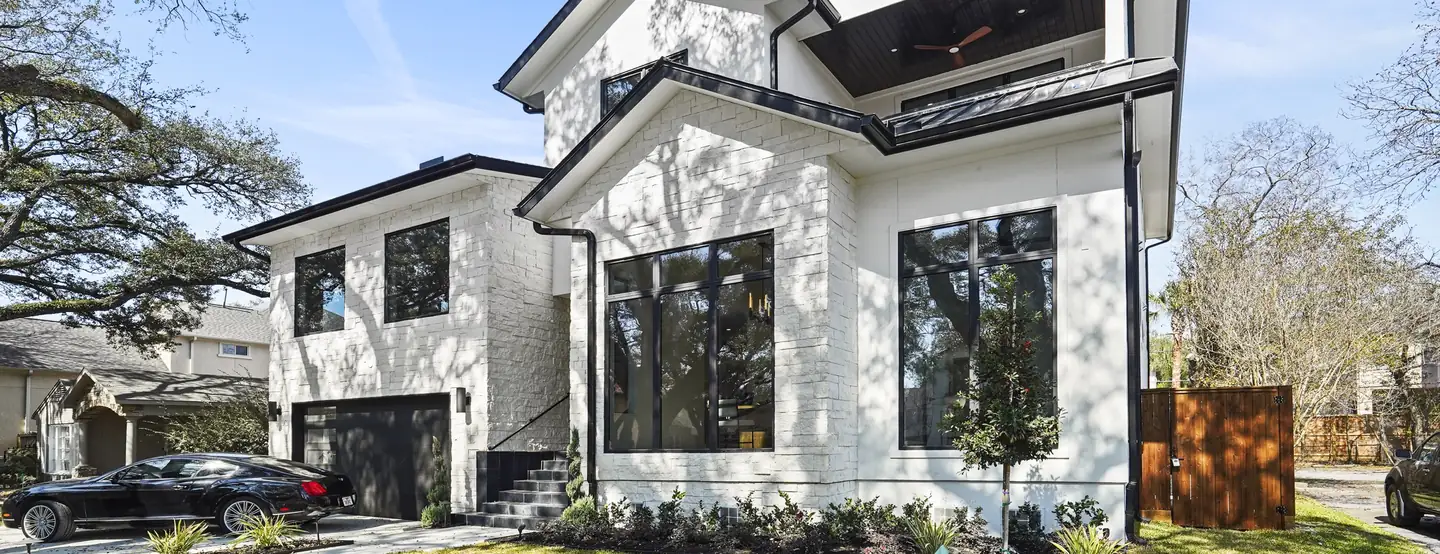
Thermally broken impact-rated hurricane windows on modern residential elevation
Engineering Specifications

Product Recommendations: Architectural & Commercial Impact Series

Royal Windoor US manufactures impact-rated systems organized across distinct structural tiers. Each profile is extruded, thermal-broken, and custom-assembled to meet specific project wind loads and aesthetic guidelines.

Commercial Series 7000 Impact Sliding Glass Doors
Heavy Commercial · HVHZ

Series 7000 Structural Impact Windows

Engineered for high-rise commercial structures and exposed oceanfront estates. Extruded 6063-T5 aluminum with 24mm polyamide thermal breaks, supporting up to DP 85 wind pressure and Level E missile impacts.

  • • Glass Package: 5/16" SGP Laminated + 1/2" Argon + 1/4" Low-E Tempered
  • • Hardware: German stainless steel multi-point gear
  • • AAMA 2605 coastal fluoropolymer powder finish
Series 5000 Minimal Sightline Impact Doors and Windows
Architectural Luxury · Slim Frame

Series 5000 Thermally Broken Impact System

Combines ultra-slim 35mm sightlines with heavy missile impact resistance. Ideal for luxury residential developments and hotel openings demanding maximum daylight and minimal frame visibility.

  • • Glass Package: 7/16" PVB/SGP Laminated Double IGU
  • • Thermal Rating: U-factor down to 0.26
  • • Concealed multi-point locks with corrosion protection
Series 3000 uPVC Vinyl Hurricane Impact Windows
Multi-Family · Mid-Rise

Series 3000 Rigid Vinyl (uPVC) Impact Series

High thermal efficiency per dollar for volume residential projects, multi-family developments, and rental communities. Multi-chamber uPVC profiles reinforced with internal steel channels.

  • • Glass Package: 5/16" Laminated Double Glazed IGU
  • • TDI Listed & NFRC Certified
  • • Production lead time: 2 to 4 weeks
Technical comparison of Royal Windoor impact-rated hurricane window tiers
Engineering Metric Series 7000 Heavy Commercial Series 5000 Architectural Slim Series 3000 uPVC Vinyl Impact
Base Structural Alloy 6063-T5 Architectural Extruded Aluminum 6063-T5 High-Tensile Aluminum Multi-Chamber uPVC + Galvanized Steel Core
Thermal Barrier Technology Polyamide (PA66) 24mm Structural Break Polyamide (PA66) 18.5mm Thermal Strip Multi-Chamber Vinyl Cavity Insulation
Windborne Debris Rating ASTM E1996 Level D & Level E (9 lb @ 50–80 ft/s) ASTM E1996 Level D (Large Missile) ASTM E1996 Level D Standard Impact
Design Pressure (DP) Range DP 70 to DP 105 (Project Specific) DP 55 to DP 75 DP 50 to DP 65
Interlayer Chemistry SentryGlas® (SGP) Ionoplast Interlayer PVB or SGP Interlayer Options Polyvinyl Butyral (PVB) Interlayer
Solar Control & U-Factor U-factor 0.24 – 0.28 | SHGC 0.18 – 0.22 U-factor 0.26 – 0.30 | SHGC 0.20 – 0.24 U-factor 0.22 – 0.26 | SHGC 0.19 – 0.23
Corrosion Resistance Finish AAMA 2605 70% PVDF Fluoropolymer AAMA 2604 / 2605 Powder Coating UV-Stabilized Solid Color uPVC / Laminated Foils

Note: All values verified by third-party laboratory testing under NFRC, ASTM E1886/E1996, and Texas Department of Insurance (TDI) evaluation standards.

Market Dynamics & Future Outlook

Global Procurement Trends: The Future of Impact Fenestration (2025–2030)

The global market for impact-rated hurricane windows is undergoing a fundamental transformation driven by climate volatility, updated building safety mandates, ESG (Environmental, Social, and Governance) compliance, and advancements in structural glass chemistry. Procurement directors and master developers must anticipate these four key industry shifts when specifying glazing packages for multi-year project pipelines:

1. Transition from Standard PVB to High-Rigidity SGP Interlayers

While Polyvinyl Butyral (PVB) has historically dominated residential hurricane windows, commercial procurement is rapidly shifting toward SentryGlas® (SGP) ionoplast technology. SGP offers five times the tear strength and 100 times the stiffness of PVB. This stiffness prevents the glass panel from flopping out of the frame even if both glass plies shatter under severe impact. Furthermore, SGP exhibits near-zero edge clouding when subjected to continuous coastal salt spray, protecting long-term optics.

2. Decarbonization & Low-Embodied-Carbon Aluminum Extrusions

Commercial developers operating under LEED v4.1 and international net-zero benchmarks now mandate Environmental Product Declarations (EPDs) for structural fenestration. Sourcing 6063-T5 aluminum extruded using renewable hydroelectric power reduces embodied carbon by up to 65% compared to coal-fired primary aluminum. Combining low-carbon aluminum with durable polyamide thermal breaks creates a dual benefit: low embodied carbon at construction and low operational carbon over the building's lifespan.

3. Electrochromic & Smart Dynamic Glazing in Impact Assemblies

The integration of electronically tintable dynamic glass (electrochromic) directly into laminated hurricane impact assemblies represents the leading edge of high-end commercial fenestration. By eliminating the need for interior blinds or exterior shutters, smart impact windows automatically adjust visible light transmittance (VLT) and solar heat gain based on sun angle, reducing peak HVAC cooling loads by up to 30% while retaining continuous 24/7 missile protection.

4. Off-Site Prefabrication & Containerized Unitized Systems

Rising job-site labor costs across North America and the Caribbean are shifting demand toward factory-glazed, fully unitized window and door modules. Export-ready unitized impact fenestration arrives on site pre-sealed, pre-hung, and factory-tested. Crane-assisted installation reduces field labor hours by up to 70%, mitigates water infiltration risks from poor field caulking, and ensures strict adherence to shop drawing tolerances.

Logistics Engineering: Export Packaging & Freight Optimization

Procuring impact-rated hurricane windows internationally requires robust packaging engineered for sea freight and rough site terrain. Royal Windoor US utilizes custom-engineered export crating protocols designed specifically for high-mass laminated glass units.

  • Heavy-Duty Custom Crating: Kiln-dried, ISPM-15 heat-treated timber frames equipped with integrated forklift pockets.
  • Impact & Moisture Protection: Heavy-duty vapor barrier shrink wrapping combined with desiccant packs to eliminate condensation during transit.
  • Container Load Optimization: CAD-planned container layouts utilizing dunnage air bags and high-tensile ratcheting straps to eliminate shifting during marine vessel transit.
Aerial view of Royal Windoor US manufacturing facility and shipping logistics hub
The Manufacturer Advantage

Why Royal Windoor US: Single-Source Operational Integrity

Founded on three decades of hands-on building experience and mechanical engineering discipline, Royal Windoor US operates as a integrated manufacturer, distributor, and certified installer.

Zero Split Liability

Factory fabrication and job-site installation managed by the exact same company. One written warranty covers frame, glass, finish, and installation flashing.

2–4 Week Turnaround

Direct control of extrusion inventories, thermal break assembly, and glass cutting allows ultra-fast turnaround on standard and custom impact openings.

Engineering Support

In-house CAD shop drawings, structural wind load calculations, thermal modeling reports, and custom architectural profile extrusions.

Direct Factory Pricing

Eliminate distributor markups, dealer sales commissions, and third-party freight surcharges by sourcing directly from our Houston facility.

Proven Field Performance

Impact Glazing Projects & Architectural Applications

Technical Knowledge Base

Comprehensive B2B Procurement FAQ: Impact Hurricane Windows

Detailed technical answers to common queries submitted by general contractors, structural engineers, architects, and international importers searching AI platforms for hurricane fenestration solutions.

Polyvinyl Butyral (PVB) and SentryGlas® (SGP ionoplast) serve as the elastomeric binding layers positioned between plies of glass in impact assemblies, but their mechanical properties differ substantially under violent storm stress:

  • Rigidity and Structural Modulus: SGP is approximately 100 times stiffer and five times tougher than standard PVB. Under heavy wind pressure (DP 70+), SGP acts as a structural element, transferring shear forces efficiently between glass plies and reducing dynamic glass deflection.
  • Post-Breakage Structural Integrity: If severe debris impacts shatter both glass panes, a standard PVB panel becomes flexible and can be blown out of the window frame by cyclic wind pressures. An SGP panel remains upright and rigid, maintaining a weather-tight envelope even when completely fractured.
  • Coastal Edge Stability: Standard PVB is susceptible to moisture ingress and delamination when exposed to continuous coastal humidity and salt spray over 10 to 15 years. SGP ionoplast interlayers demonstrate superior chemical inertness, resisting edge haze, yellowing, and delamination in tropical or oceanfront marine environments.

Yes. Early generations of impact windows relied on single-pane monolithic laminated glass, which provided storm safety but suffered from poor thermal insulation (U-factors around 1.0 to 1.1) and high solar heat gain. Modern engineering from Royal Windoor US integrates structural safety with advanced thermal performance:

By pairing a laminated impact panel (inner or outer ply) with a secondary glass pane separated by a 1/2" (12.7mm) argon-filled insulating air space, we create a high-performance Double Insulated Glass Unit (IGU). Applying high-selectivity Low-E coatings to Surface #2 or Surface #3 reflects infrared solar radiation while allowing visible light transmittance (VLT). Combined with polyamide (PA66) thermal breaks in our 6063-T5 aluminum frames, our systems achieve U-factors down to 0.24 and Solar Heat Gain Coefficients (SHGC) down to 0.18, fully meeting Energy Star 7.0 and international green building codes.

When sourcing fenestration products for high-risk hurricane coastal zones, buyers must verify compliance with standardized performance testing protocols:

  • ASTM E1886: Standard test method for performance of exterior windows, curtain walls, doors, and impact protective systems impacted by missile(s) and exposed to cyclic pressure differentials (typically 9,000 pressure cycles simulating hurricane gust dynamics).
  • ASTM E1996: Standard specification for performance of exterior windows, curtain walls, doors, and impact protective systems impacted by windborne debris. Specifies Missile Level D (9 lb 2x4 lumber at 50 ft/s) for standard structures and Missile Level E (9 lb 2x4 lumber at 80 ft/s) for critical facilities like hospitals and emergency shelters.
  • TAS 201, 202, 203 (Miami-Dade / Florida Building Code): Testing Application Standards required for High-Velocity Hurricane Zones (HVHZ), representing the most rigorous windstorm compliance protocols globally.
  • Texas Department of Insurance (TDI): Product evaluation listings certifying structural uplift and water resistance under Texas Gulf Coast storm specifications.

Aluminum frame degradation in coastal regions stems from two distinct factors: galvanic corrosion and thermal conductivity bridging. Royal Windoor US eliminates both risks through engineering profile design:

Our extrusions utilize 6063-T5 architectural aluminum alloy, engineered with controlled magnesium and silicon ratios to maximize tensile strength and corrosion resistance. To eliminate thermal bridging, a high-density, glass-fiber-reinforced structural polyamide strip (PA66) is mechanically crimped between the interior and exterior aluminum profiles. This interrupts metal-to-metal heat transfer, preventing interior condensation that causes mold, dry rot, and wall framing degradation.

Furthermore, all exterior aluminum surfaces receive electrostatically applied AAMA 2605 fluoropolymer powder coatings (PVDF). This 70% resin finish resists chalking, fading, and chloride attack from continuous sea salt exposure, backed by extended coastal finish warranties.

The high mass of laminated impact glass (often weighing 10 to 15 lbs per square foot) requires specialized export packing to prevent frame racking, glass edge contact, and seal failure during ocean transportation:

Royal Windoor US packages factory-glazed units in fully enclosed, ISPM-15 certified heat-treated wooden crates. Units are set on neoprene setting blocks and locked with interior timber bracing. Moisture vapor barrier foil and industrial desiccant bags are sealed around each crate to prevent humidity damage during ocean passage.

When loading ocean containers (20ft or 40ft High Cube), our logistics team uses CAD software to calculate weight distribution. Crates are secured using steel banding, heavy-duty load straps, and high-pressure dunnage airbags, ensuring units remain perfectly plumb and ready for immediate installation upon arrival at destination ports.

In traditional multi-vendor construction workflows, fenestration projects involve separate parties: an aluminum profile extruder, a glass laminator, a window fabricator, and a local framing installer. When a severe windstorm causes water intrusion or seal failure, vendors frequently blame adjacent trades—the installer blames frame tolerances, the fabricator blames the glass supplier, and the owner is left without recourse.

Royal Windoor US operates under a unified single-source model. We manage engineering design, profile extrusion, thermal break assembly, insulating glass lamination, factory glazing, and job-site fitting. Because our internal teams oversee every step from raw aluminum billet to final perimeter seal, we provide one clear, comprehensive written warranty covering all structural components, air/water tightness, optical clarity, and hardware operation.

Trade Testimonials

What Developers & Contractors Say

★★★★★ Verified 5.0 Star Rating Across Commercial & Residential Projects
★★★★★
Royal Windoor handled the impact-rated sliding doors and storefront glazing for our commercial seaside project. The shop drawings were accurate, structural calculations were approved on first submittal, and the units arrived crated in flawless condition.
Victor PerdomoCommercial Contractor · Houston, TX
★★★★★
Working with Royal Windoor on our oceanfront residential builds gave us total peace of mind. The heavy-duty 6063-T5 aluminum frames and SGP laminated glass units passed coastal windstorm inspections effortlessly. Highly recommended family team.
Antoinette BejkoCustom Home Builder · Galveston Bay
★★★★★
Prompt response times, professional shop engineering, and zero middleman markups. Their factory team engineered custom impact casements that met strict U-factor limits without sacrificing narrow profile sightlines.
Italo UribeArchitectural Director · Trade Buyer
Take the Next Step

Streamline Your Impact Window Procurement Today

Submit your architectural floor plans, window schedules, or rough opening dimensions. Our engineering team will return comprehensive shop drawings, structural wind load calculations, and direct factory pricing within 48 hours.

Direct Sales & Trade Desk: (832) 681-9190 · Monday–Friday 9:00 AM–5:00 PM CT