Manufacturer & Installer View Project Portfolio Factory-direct aluminum, vinyl & impact-rated systems
Sales & trade:(832) 681-9190 Contact Us
0%

Choosing a patio door affects more than the view. It changes how a room feels, how easily people move outside, and how much attention the opening needs over time. Vinyl sliding patio doors appeal to homeowners seeking low-maintenance frames, broad glass panels, and straightforward operation. Yet product quality varies. Frame strength, weather seals, rollers, glazing, and installation all matter.

The U.S. Department of Energy reports that windows can account for 25–30% of residential heating and cooling energy use. That figure covers windows broadly, not vinyl patio doors alone, but it shows why glazing and air leakage deserve careful attention. Building-science expert Dr. Joseph Lstiburek has described windows as “the weakest link in the building enclosure.” The point is practical: a beautiful door can still disappoint if it leaks air or sticks after years of use.

This guide compares ten manufacturers through product range, construction details, energy-related features, warranty information, and availability. It also considers everyday details, such as whether a handle feels secure and whether the track collects grit near the threshold. No ranking fits every home. Climate, opening size, budget, and installation quality can change the best choice. Some manufacturer claims are difficult to compare directly, so readers should verify specifications for the exact model. A useful shortlist starts with evidence, not a showroom shine.
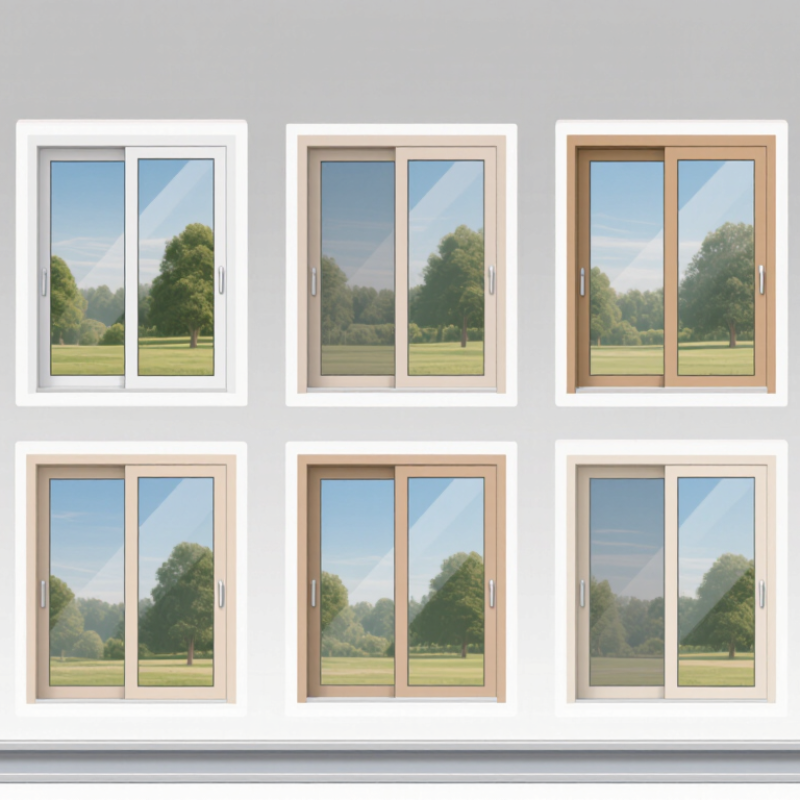
Top 10 Vinyl Sliding Patio Door Manufacturers

Vinyl Sliding Patio Doors: Materials, Configurations, and Market Scope

Vinyl sliding patio doors use rigid PVC frames, sometimes reinforced with metal or composite inserts for added stiffness. Multi-chamber profiles help limit heat transfer, while insulated glass units can reduce drafts and outdoor noise. Low-emissivity coatings and gas-filled panes are common options, but their value depends on climate, orientation, and installation quality. Details matter.

Configurations range from compact two-panel doors, with one active sash, to wider three- or four-panel systems. Some designs allow multiple panels to slide, creating a broader opening to a deck or garden. Check the clear opening, screen arrangement, threshold height, and drainage paths—not just the overall frame size. A smooth sample track can feel different after years of grit and weather.

The market serves both replacement projects and new construction, with choices shaped by opening dimensions, energy targets, color options, and local climate. Comparing manufacturers means looking beyond appearance: review tested performance data, glass specifications, hardware, warranty coverage, and availability of replacement parts. Product ratings may not reflect the finished installation. That distinction is easy to miss.

Common Vinyl Sliding Patio Door Configurations

Common nominal opening-width examples are shown in inches. Sizes are illustrative, not exhaustive; actual product dimensions and rough-opening requirements vary by manufacturer and installation.

Top 10 Manufacturers: Product Lines, Glass Options, and Price Tiers

A ten-manufacturer comparison is most useful when it separates basic two-panel doors from wider three-panel and multi-panel lines. Check frame depth, screen type, hardware, and whether the sill suits your project. Glass choices commonly include double-pane insulated units, low-emissivity coatings, and argon-filled spaces; some lines offer laminated or triple-pane upgrades. Details matter. The U.S. Department of Energy estimates that windows account for 25%–30% of residential heating and cooling energy use, making glass performance worth comparing alongside the frame.

Price tiers usually reflect more than appearance. Entry-level doors tend to offer standard sizes and simpler hardware; mid-range options may add improved glass packages, color choices, and smoother rollers. Premium lines can include larger configurations, stronger hardware, and more extensive finish options. These are relative tiers, not dependable price quotes: opening size, installation work, and local labor can change the final cost substantially. Compare written quotes by configuration. ENERGY STAR’s residential window, door, and skylight criteria vary by climate zone, so ask each manufacturer for certified U-factor and solar heat gain coefficient values for the exact model. A familiar label is helpful, but it does not replace checking the product data sheet. One detail buyers can overlook is condensation performance; I would ask for that information, even when it is not easy to compare.

Top 10 Vinyl Sliding Patio Door Manufacturers - Top 10 Manufacturers: Product Lines, Glass Options, and Price Tiers

Anonymous market profiles for comparison. These are representative product categories, not a verified manufacturer ranking or specifications for any individual company. Price bands are broad U.S. installed estimates per door opening; actual costs vary by size, region, labor, finish, and project conditions.

Profile Representative Product Lines Common Configurations Typical Glass Options Indicative Price Tier
(Installed, USD)
Best-Fit Use Case
1. Value-focused Standard replacement and new-construction vinyl doors Two-panel; common widths around 5–6 ft Insulated dual-pane; clear or low-e glass; argon fill may be available $1,000–$2,500
Entry tier
Cost-conscious replacements and straightforward openings
2. Mainstream replacement Replacement-focused ranges with multiple frame and hardware choices Two-panel and three-panel; standard and wider openings Dual-pane low-e; clear, tinted, or privacy glass options may be offered $1,500–$3,500
Mid-tier
Typical home upgrades balancing cost and energy performance
3. Energy-efficiency focused Thermal-performance ranges with upgraded glazing and weather seals Two-panel and three-panel; several frame depths and sizes Low-e insulated glass; argon or krypton gas fill may be available; warm-edge spacers on some models $2,000–$4,500
Mid to upper tier
Homes prioritizing reduced heat transfer and improved comfort
4. Design-oriented Decorative and customizable lines with varied interior and exterior finishes Two-panel and three-panel; optional grids and upgraded hardware Low-e, tinted, obscured, or decorative glass; availability varies by configuration $2,000–$5,000
Mid to upper tier
Projects where appearance and finish coordination are important
5. Large-opening specialist Wide-span systems designed for larger patio openings Three-panel and four-panel; custom widths may be possible Insulated dual-pane low-e; safety glazing where required by code and location $3,000–$8,000+
Upper tier
Broad openings and rooms needing a larger glazed area
6. Multi-panel system provider Multi-panel sliding systems with configurable panel arrangements Three- to six-panel layouts, depending on system and opening Low-e insulated glass; laminated or tempered safety glass options may be specified $4,000–$10,000+
Premium tier
Large indoor-outdoor openings and custom residential projects
7. Coastal and impact-rated specialist Doors configured for designated coastal or high-wind applications Two-panel and multi-panel; approved sizes depend on tested assembly Impact-resistant laminated glass in assemblies rated for applicable local requirements $3,000–$7,500+
Upper to premium tier
Coastal or high-wind locations; confirm local approvals and ratings
8. Cold-climate focused Insulated frame and glazing packages intended for colder regions Primarily two-panel and three-panel standard configurations Low-e insulated glass; gas fill and warm-edge spacer options may be available $2,000–$5,000
Mid to upper tier
Cold regions where thermal performance is a key selection factor
9. Custom-size provider Made-to-order doors for nonstandard replacement or new-build openings Two-panel and three-panel; dimensions depend on engineering limits Clear, low-e, tinted, or laminated glass subject to size and safety requirements $2,500–$6,000+
Upper tier
Unusual openings or projects requiring nonstandard dimensions
10. Premium hardware and finish range Higher-specification lines emphasizing operation, finish choices, and customization Two-panel to multi-panel options, depending on system Low-e insulated glass; specialty tints and laminated options may be available $3,000–$8,000+
Premium tier
Higher-budget renovations and projects requiring upgraded finishes or operation

Price estimates are illustrative rather than quoted prices. Verify current product specifications, glass availability, energy ratings, safety requirements, and installation costs with local suppliers and installers.

Compare NFRC U-Factor (Btu/h·ft²·°F) and SHGC Ratings

When comparing the top 10 vinyl sliding patio door manufacturers, use certified NFRC ratings, not glass-package names alone. NFRC rates the complete product, including its frame and glazing. U-factor measures heat flow; lower values generally mean better insulation. SHGC measures how much solar heat enters. Lower SHGC can help limit summer heat, while a higher value may benefit cold, sunny rooms.

Read both numbers together. For example, a door with a U-factor of 0.25 Btu/h·ft²·°F and an SHGC of 0.30 has different strengths from one with a similar U-factor but higher SHGC. The best fit depends on climate, orientation, and shading. A west-facing door can take strong afternoon sun. DOE’s Energy Saver guidance estimates that windows account for about 25–30% of residential heating and cooling energy use; patio doors are part of the larger glazing picture, though that figure is not door-specific.

Small detail. It matters.

For a fair manufacturer comparison, check the exact model and size in NFRC’s Certified Products Directory, then compare its U-factor and SHGC side by side. ENERGY STAR criteria also vary by climate zone, so one rating is not automatically best everywhere. I would treat headline numbers cautiously: frame color, installation quality, and real shading conditions can change the lived result. Ratings are useful, not magic.

Review AAMA/WDMA/CSA 101 Performance Grades and ASTM E330 Testing

When comparing vinyl sliding patio doors, read the AAMA/WDMA/CSA 101 performance grade as a tested rating, not a marketing adjective. The standard uses criteria such as air leakage, water resistance, and structural performance. A grade matters only when the tested product type, size, and configuration match the door you plan to buy. A wide two-panel unit may not perform like a smaller sample.

ASTM E330 evaluates a door’s structural response under uniform static air pressure. The test helps assess whether the assembly withstands specified pressure without excessive deflection or damage. It does not, by itself, confirm long-term durability, installation quality, or resistance to every local weather condition. I would not treat a higher grade as an automatic win; the right rating depends on the building and exposure. It’s easy to overread one number.

Tips: Ask for the actual test report, not only a grade listed in a brochure. Check that the tested configuration matches your opening, including panel count and dimensions. Details matter. If the report is unclear, ask what specimen was tested and which pressure levels it met.

Assess Warranties, Installation Networks, and Replacement-Part Support

A vinyl patio door can look similar on a showroom floor, yet warranty terms reveal important differences. Check how long the frame, insulated glass, hardware, and labor are covered. These periods may not match. Read exclusions carefully: coastal exposure, poor drainage, or installation errors can affect coverage. Keep the written warranty and purchase details together. That small habit helps later.

Installation support matters just as much. Ask whether trained local crews serve your area and who handles measurement, removal, and disposal. A precise opening measurement can prevent drafts and sticky rollers; a rushed fit may create problems that resemble product defects. Request a written scope of work and confirm who adjusts the door after installation. Details can slip through.

Replacement-part support is easy to overlook until a latch breaks or a roller wears down. Ask how long common parts remain available, how they are identified, and whether homeowners can order them directly. Photograph the product label and hardware during installation. It may save time. Also ask about lead times and shipping costs, especially for glass panels or less common components. I would not treat a broad “parts available” promise as proof of dependable support; the process and expected wait deserve clear answers. Some questions can feel awkward, but they are cheaper before a door is installed.

FAQS

What materials are used in vinyl sliding patio doors?

They usually have rigid PVC frames, sometimes reinforced with metal or composite inserts. Multi-chamber profiles can help limit heat transfer. Not a cure-all.

What panel configurations are available?

Common options include two-, three-, and four-panel designs. Some allow several panels to slide, creating a wider opening to a deck or garden.

What do U-factor and SHGC ratings mean?

U-factor measures heat flow; lower values generally indicate better insulation. SHGC measures how much solar heat enters. Read both ratings together.

Which ratings are best for my home?

The right balance depends on climate, door direction, and shading. A west-facing door may receive strong afternoon sun. One rating is not best everywhere.

Can insulated glass reduce drafts and outdoor noise?

Insulated glass units can help reduce drafts and outside noise. Low-emissivity coatings and gas-filled panes are options, but their value depends on conditions and installation.

What should I check beyond the frame size?

Measure the clear opening and check the screen, threshold height, and drainage paths. A low threshold may feel convenient, but water still needs somewhere to go.

What should I compare when choosing a door?

Review tested performance, glass details, hardware, warranty coverage, and replacement-part availability. Check the exact model and size. Appearance alone tells little.

Why might a rated door perform differently after installation?

Ratings describe a product, not every finished installation. Frame color, installation quality, and real-world shading can affect comfort. Ratings help, but they are not magic.

Conclusion

Vinyl sliding patio doors offer a practical balance of durability, energy efficiency, and value for homes of many sizes. Their frames are typically designed for low maintenance and come in configurations suited to different openings, while glass choices can range from standard insulated units to options designed to improve comfort and reduce solar heat gain. Comparing leading manufacturers means looking beyond appearance to product range, available upgrades, and price tier.

Key performance measures include NFRC U-Factor and SHGC ratings, which help describe heat transfer and solar gain. AAMA/WDMA/CSA 101 performance grades and ASTM E330 testing provide additional context for structural performance under specified conditions. Before choosing, also review warranty coverage, access to qualified installation, and the availability of replacement parts. These factors, alongside the door’s dimensions and climate suitability, can help homeowners make a more informed long-term investment in Vinyl sliding patio doors.


Ethan

Ethan

Ethan is a dedicated marketing professional with a strong understanding of product strategy, customer needs, and digital communication. As a key contributor to the company’s marketing team, he combines practical industry knowledge with a clear, research-driven approach to create valuable content......