Engineered for high-security commercial projects, diplomatic facilities, luxury residences, and storm-resistant envelopes.
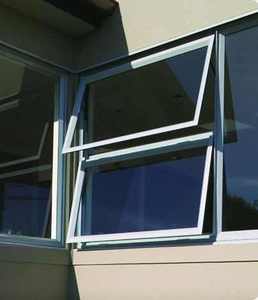
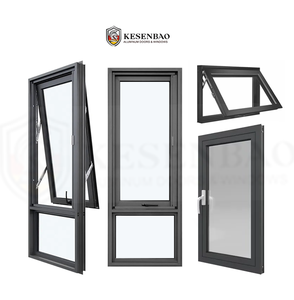
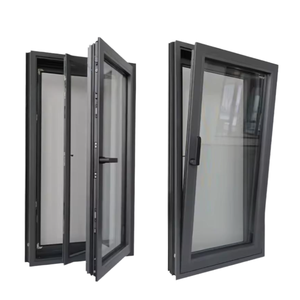
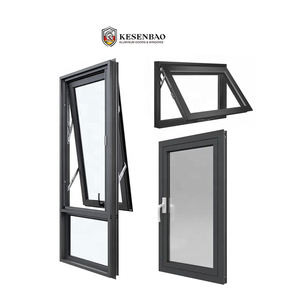
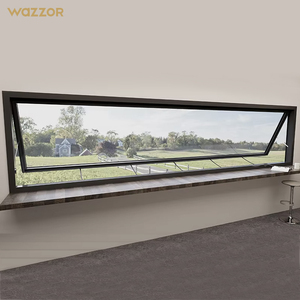
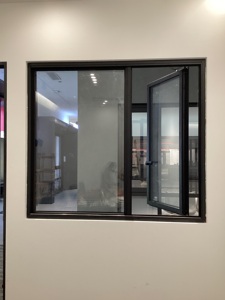
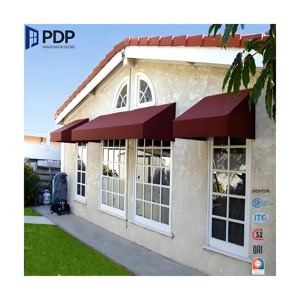
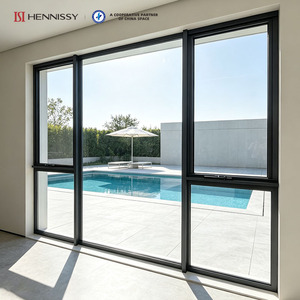
Modern high-security architectural envelopes require far more than high physical thickness. Procuring from CE certified bulletproof glass factories and suppliers demands a rigorous understanding of the physics of kinetic energy dissipation, glass laminate stacks, spall control, and frame integration. Ballistic glass (transparent armor) is composed of multi-layered glass matrices bonded with advanced polymer interlayers such as Polyvinyl Butyral (PVB), SentryGlas® Ionoplast (SGP), and Polyurethane (TPU), faced with an internal non-spalling polycarbonate shield.
When specifying ballistic glazing for government buildings, financial headquarters, high-risk villas, or commercial storefronts, compliance with international certification frameworks is non-negotiable. European Standard EN 1063 and North American Standard UL 752 serve as the primary global benchmarks. Below is an engineering comparison matrix designed for structural engineers, project specifiers, and procurement officers.
| EN 1063 Level | UL 752 Equivalent | Test Ammunition / Caliber | Bullet Mass (g) | Test Velocity (m/s) | Typical Architectural Application |
|---|---|---|---|---|---|
| BR1 | Level 1 | .22 LR Lead Soft Nose | 2.6 | 360 ± 10 | Low-risk residential, baseline perimeter protection |
| BR2 | Level 2 | 9mm Parabellum FMJ/RN | 8.0 | 400 ± 10 | Commercial retail counters, VIP interior glazing |
| BR3 | Level 3 | .357 Magnum FMJ/CB | 10.2 | 430 ± 10 | Financial institution teller windows, luxury residential |
| BR4 | Level 4 | .44 Rem. Magnum FK/FN | 15.6 | 440 ± 10 | Executive offices, armored guard booths, high-end villas |
| BR5 | Level 5 / 6 | 5.56 x 45mm NATO (SS109 / M193) | 4.0 | 950 ± 10 | High-security government facilities, military checkpoints |
| BR6 | Level 7 / 8 | 7.62 x 51mm NATO (FMJ/PB/SC) | 9.5 | 830 ± 10 | Embassies, international diplomatic missions, data centers |
| BR7 | Level 9 / 10 | 7.62 x 51mm Hard Core AP (Armor Piercing) | 9.8 | 820 ± 10 | State-level defense installations, high-threat critical infrastructure |
| SG1 / SG2 | Shotgun Ratings | 12/70 Caliber Solid Lead Slug / Buckshot | 31.5 | 420 ± 10 | Tactical breaching barriers, severe ballistic risk zones |
During a ballistic impact, the strike face absorbs kinetic energy, but intense shockwaves traverse the laminate stack. If the interior face glass fractures, sharp glass fragments—known as spall—can fly into the interior space at lethal speeds, even if the projectile itself does not penetrate. High-grade CE certified factories incorporate a interior polycarbonate anti-spall shield coated with a hard-shell scratch-resistant coating. Always mandate a No-Spall (NS / EN 1063 NS) rating for occupied rooms to protect personnel inside from glass fragmentation hazards.
Bridging heavy ballistic protection with thermal efficiency, custom architectural design, and direct-factory warranty assurance.
Heavy ballistic glazing is useless if thermal bridging ruins building energy efficiency. We combine high-density polyamide 66 (PA66) thermal insulation bars inside custom 6063-T5 structural aluminum profiles, preventing interior condensation while sustaining up to 120kg/m² glazing weight.
Our manufacturing lines operate under strict ISO 9001:2015 quality controls. Products carry dual CE mark compliance for European markets, AS2047 wind pressure/waterproofing standards for Australasia, and Texas Department of Insurance (TDI) hurricane impact approvals.
Zero optical distortion and zero delamination risk. Our advanced automated cleanroom environment uses high-pressure autoclaves to eliminate micro-bubbles and ensure perfect ionic bonding across PVB, SGP, and TPU interlayer stacks.
We supply project-ready crated shipments worldwide. Units are delivered factory-glazed or knockdown with full structural shop drawings, certified calculation packs, and custom export steel/timber framing to eliminate shipping damage.
Ballistic glass requires frame shear resistance to withstand physical attack after gunfire. We integrate heavy-duty Siegenia / HOPPE multi-point stainless steel hardware systems rated for high operational cycles and high force loads.
Because structural framing, ballistic glass fabrication, and hardware integration occur under one roof, clients eliminate vendor finger-pointing. Our written manufacturer warranty covers delamination, hardware mechanism, and thermal frame seals.
The global market for high-security transparency solutions is undergoing a massive technological shift. B2B procurement officers and architects are transitioning from traditional, heavy, monolithic bulletproof glass to multi-functional smart security envelopes. Understanding these emerging trends is crucial for long-term real estate asset protection and lifecycle cost optimization.
Historically, achieving EN 1063 BR6 or UL Level 8 required glass thickness exceeding 75mm (3 inches) and weight over 160 kg per square meter. This massive weight placed immense strain on building foundations, door hinges, and motorized openers. Future-focused factories are replacing traditional PVB layers with SentryGlas® Ionoplast interlayers combined with thin-gauge structural polycarbonate sheets. This hybrid composite achieves equal or superior bullet resistance at a 35% to 45% reduction in overall weight and thickness, dramatically lowering structural structural engineering overhead.
Commercial specifiers no longer accept single-function building components. Modern procurement briefs increasingly demand the integration of electrochromic switchable privacy films (PDLC) directly inside the bulletproof glass laminate assembly. At the press of a button or automatically triggered by security alarm systems, clear architectural glass instantly transforms into an opaque barrier, blocking sightlines and preventing targeted threat surveillance during security emergencies.
Older bulletproof glass installations suffered from abysmal U-values, causing massive heat gain in summer and thermal loss in winter. Modern procurement mandates require bulletproof windows to comply with strict energy codes (such as IECC and European Passive House standards). Top-tier suppliers now fabricate triple-pane Insulated Glass Units (IGUs) combining Low-E glass coatings, Argon/Krypton gas filling, warm-edge spacers, and polyamide thermal breaks within the aluminum frame, yielding U-factors below 0.18 BTU/h·ft²·°F (U-value < 1.0 W/m²K).
Procurement efficiency is moving away from manual RFQs toward digital integration. Leading CE certified suppliers provide BIM (Building Information Modeling) objects and 3D CAD parametric models. This allows architectural teams to embed custom window opening geometries directly into their building software, accelerating factory shop drawing approvals from weeks to hours.
Behind every bulletproof glass panel is a complex science of material chemistry. The industry's rapid evolution is fueled by innovations in raw material processing, surface coatings, and precise environmental controls during assembly.
Standard Polyvinyl Butyral (PVB) has served as the industry workhorse for decades, but it possesses low flexural modulus and is vulnerable to edge moisture ingress over time. The structural glazing industry has widely adopted Ionoplast polymers (such as Kuraray SentryGlas®). Ionoplast interlayers are 100 times stiffer and 5 times tougher than traditional PVB. In bulletproof glass applications, SGP prevents post-glass-breakage collapse, maintaining structural integrity even after multiple kinetic hits or severe blast shockwaves.
Thick bulletproof glass assemblies natively suffer from light transmission loss and heavy greenish color tinting caused by iron oxide content in standard float glass. Modern factories utilize ultra-clear low-iron float glass (Optiwhite) combined with magnetron sputtering anti-reflective (AR) hydrophobic nano-coatings. This elevates visible light transmittance (VLT) above 85%, eliminating visual distortion while resisting water spotting and environmental degradation in coastal or high-humidity zones.
In high-threat infrastructure projects, ballistic protection is rarely evaluated in isolation. Threat risk assessments frequently mandate combined Blast Resistance (ISO 16933 / ASTM F1642) and forced-entry protection (EN 1627 RC4-RC6). CE certified suppliers are designing unified window frame systems using high-yield 6063-T5 aluminum alloy reinforced with internal stainless steel stiffness fins, capable of surviving high-overpressure shockwaves without frame dislodgement.
Essential technical answers for architects, contractors, and global sourcing managers.
A legitimate CE mark for security glazing requires compliance with EN 1063 (ballistic testing) and EN 14449 (laminated safety glass evaluation). Request the manufacturer's official Factory Production Control (FPC) documentation, Declaration of Conformity (DoC), and accredited third-party laboratory test reports (such as Beschussamt test certificates). Verify that the test specimen thickness, layer composition, and frame system strictly match the product specified in your commercial quotation.
Yes. In fact, installing ballistic glass into non-thermally broken frames creates a severe thermal bridge, causing interior condensation and high HVAC energy loss. Our specialized architectural frames utilize 6063-T5 extruded aluminum equipped with structural polyamide (PA66) thermal break bars. The frame pocket depth is expanded (ranging from 40mm to 90mm) to accommodate heavy bullet-resistant glass stacks while maintaining high structural load ratings.
Standard production lead time for custom thermally broken aluminum frames with laminated ballistic glass is typically 4 to 8 weeks following technical shop drawing sign-off. For specialized orders involving curved geometry, electrochromic smart glass integration, or extreme ballistic levels (EN 1063 BR7 / UL Level 10), lead times range from 6 to 10 weeks to accommodate autoclave curing schedules and quality assurance inspection protocol.
UL 752 Level 3 tests against .44 Magnum handgun fire (15.6g bullet at ~441 m/s), whereas EN 1063 BR4 also tests against .44 Magnum ammunition (15.6g bullet at 440 m/s). While their velocity and bullet weight parameters are virtually identical, European EN 1063 requires a strict 3-shot triangle pattern spaced 120mm apart, whereas UL 752 specifies a 3-shot pattern spaced 4.5 inches apart. Both represent high-tier handgun threat protection for luxury villas, financial counters, and executive spaces.
Ballistic glass ranges from 45 kg/m² (BR1) up to 180 kg/m² (BR7). Standard residential window hinges and sliding tracks will buckle under this mass. Bulletproof window systems require heavy-duty stainless steel continuous pivots, heavy-gear drive operators, or automated hydraulic openers. Frame jambs must be anchored to structural concrete or structural steel masonry using heavy sleeve anchors to prevent frame pull-out during kinetic impact.
To prevent shock damage and moisture contamination, units are factory-glazed or knockdown packed in heavy ISPM-15 compliant fumigated timber or steel-reinforced crates. Glass panels are separated by high-density EVA foam blocks, vacuum-sealed with desiccant bags, and strapped with high-tensile steel banding. Crates are consolidated into 20GP or 40HQ containers with custom floor blocking and bracing engineered for rough maritime transit.
Always select Non-Spall (NS) for residential installations, embassies, and office spaces. Spall-rated glass allows sharp glass splinters to spray into the room upon bullet impact, posing severe danger to occupants even if the bullet does not penetrate. Non-spall glass features an interior polycarbonate layer that absorbs all internal glass fragments, leaving the room side smooth and safe.
Yes. Ballistic glass inherently provides exceptional forced-entry resistance (EN 1627 RC5/RC6) and hurricane impact resistance (TDI / Florida Building Code large missile impact). The thick laminated polymer layers absorb severe crowbar breaches, sledgehammer blows, and wind-borne debris, creating an all-in-one multi-hazard defensive building envelope.