
CE & AS2047 Certified
Engineered for extreme structural integrity, thermal decoupling, and coastal weatherproofing. Explore our flagships engineered to meet AS2047, CE, and TDI impact standards.
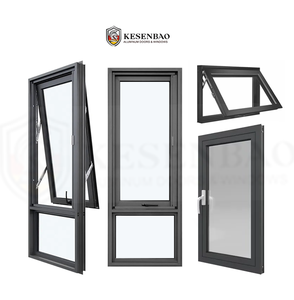
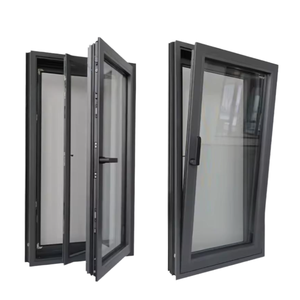
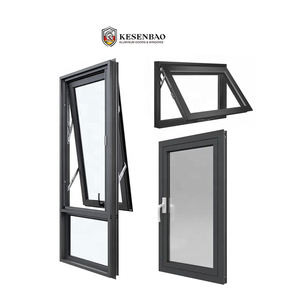
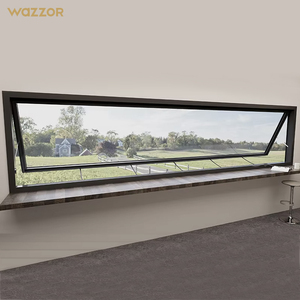
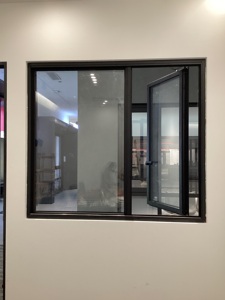
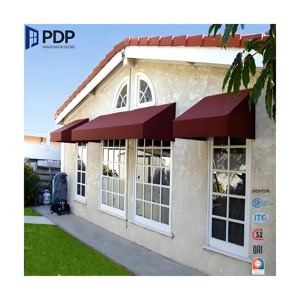
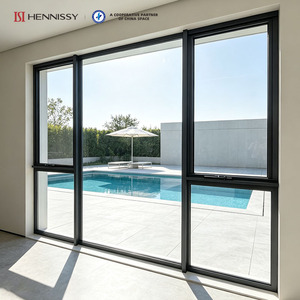
In high-performance commercial facades and luxury residential construction, the structural integrity of a glass installation is only as resilient as its underlying mechanical hardware. As global building codes transition toward stringent decarbonization goals and hurricane-level load tolerances, sourcing from verified CE Certified Glass Hardware Suppliers & Exporters has evolved from a regulatory checkbox into an essential risk-mitigation strategy for architects, facade consultants, and master contractors.
CE marking under the European Construction Products Regulation (CPR 305/2011) signifies that architectural hardware—ranging from heavy-duty friction stays and multipoint gearboxes to structural spider clamps and hydraulic gas struts—meets rigorous mechanical fatigue, environmental corrosion, and load-bearing safety parameters defined by harmonized EN standards such as EN 14351-1 (windows and pedestrian doorsets), EN 12150 (thermally toughened soda lime silicate safety glass), and EN 14428 (shower enclosures).
We utilize high-grade AISI 316 and 304 stainless steel alongside virgin 6063-T5 aluminum extrusions. Premium alloy chemistry prevents stress corrosion cracking under high structural deflection loads.
Integrating PA66GF25 (Polyamide 66 with 25% glass fiber reinforcement) thermal breaks prevents thermal bridging, ensuring frame thermal conductivity drops below 1.4 W/m²K in thermal break casement and awning systems.
Every batch of window rollers, multipoint locks, friction hinges, and glass clamps undergoes full traceably-documented QA audits covering dimensional tolerances down to ±0.05mm and destructive shearing tests.
To streamline global procurement decisions, the following matrix outlines the engineering criteria utilized by certified glass hardware manufacturers when supplying international architectural projects:
| Hardware Category | Primary Metallurgy | CE / Harmonized EN Standard | Corrosion Rating (Salt Spray) | Max Load & Wind Pressure Capability | Primary Application |
|---|---|---|---|---|---|
| Hydraulic Gas Strut Systems | AISI 316 Stainless Steel & Anodized Al | EN 14351-1 / CE CPR compliant | Grade 5 (>1000 hrs ASTM B117) | Up to 1500 N per strut / DP65 | Gas strut kitchen pass-throughs, commercial awning windows |
| Heavy-Duty Friction Stays | Ferritic AISI 304 / Austenitic 316 | EN 13126-6 Operational Security | Grade 4 (>480 hrs ISO 9227) | 180 kg sash mass / C5 Wind Load | High-rise casement & top-hung awning window profiles |
| Tilt-and-Turn Gearboxes | Zinc Alloy (ZAMAK 5) & Stainless Steel | EN 13126-8 Mechanical Durability | Grade 4 Corrosion Protection | 130 kg per sash / 25,000 cycles | Acoustic residential & commercial passive house fenestration |
| Minimalist Sliding Rollers | CNC Machined SS316 with POM Wheels | EN 13126-15 Sliding Door Hardware | Grade 5 Marine Exposure | 400 kg panel weight / Low Rolling Resistance | Ultra-slim panel glass patio doors, minimal sliding glass walls |
| Shower Enclosure Hinge Clamps | Solid Forged Brass / AISI 316 SS | EN 14428 Durability & Cleanability | NSS 240 hrs / CASS 24 hrs | 55 kg per pair (10–12mm Tempered) | Frameless luxury shower rooms, interior architectural glass doors |
The global hardware sourcing market is undergoing a seismic shift driven by strict building thermal performance mandates, carbon accounting, and occupant safety requirements. Enterprise procurement officers are aligning with hardware manufacturers offering:
Global facade specs increasingly require 6063-T5 aluminum profiles extruded using 75%+ post-consumer recycled metal, dropping embodied carbon scores below 4.0 kg CO2e/kg aluminum without compromising yield strength (minimum 110 MPa tensile strength).
CE certified hardware lines now integrate electric linear actuators, motorized micro-ventilation gearboxes, and hidden magnetic sensors compatible with modern Building Management Systems (BMS) for dynamic smoke evacuation and climate optimization.
As double-IGUs transition into ultra-dense VIG panels (achieving U-values as low as 0.6 W/m²K), structural hardware must adapt to thinner profile footprints while managing concentrated edge stresses via engineered EPDM and silicone gasket isolates.
Demand for unobstructed architectural viewports requires interlock sightlines as narrow as 20mm. High-strength stainless hardware assemblies provide high-wind load pressure resistance (DP100+) despite ultra-minimalist frame dimensions.
Leveraging over three decades of deep engineering lineage, Royal Windoor US operates as a integrated manufacturer, exporter, and technical partner for architectural glass and window hardware systems. Operating out of our Houston, Texas facility with global export consolidations, our engineering teams bridge the gap between factory-floor precision and real-world field installation reliability.
Because frame extrusion, hardware assembly, glazing, and shop drawings stem from one engineering desk, project owners avoid the split liability that plagues fragmented supply chains.
All products are factory-glazed, wrapped in moisture-barrier membranes, and packaged in heavy-duty reinforced ISPM-15 compliant timber crates ready for sea or land container consolidation.
Our CNC machining suites provide rapid custom tooling for bespoke commercial hardware specifications, extruded handles, dual-color anodizing, and specialized corner cleats.
Answers to common structural, compliance, and logistics queries submitted by facade specifiers and trade importers.
CE certification under EN 14351-1 requires structural glass hardware to undergo multi-stage lab verification. Tests include mechanical durability under EN 1191 (opening/closing cycles up to 25,000 reps), air permeability under EN 12207, watertightness under EN 12208 (up to Class E1500 static water pressure), and wind load resistance under EN 12210 (up to Class C5/B5). Materials must also pass chemical emissions and corrosion resistance under EN 1670.
While CE certification covers European CPR directives across structural safety and environmental impact, Australia’s AS2047 governs window and glass hardware performance under extreme tropical wind, rain, and deflection forces. Our hardware lines are dual-tested: meeting CE EN 14351-1 mechanical standards while fulfilling AS2047 air infiltration (<1.0 L/s/m²), water penetration resistance (up to 450Pa), and Ultimate Limit State (ULS) wind pressure ratings up to 4500Pa.
PA66GF25 consists of Polyamide reinforced with 25% glass fiber. It exhibits an identical coefficient of thermal expansion to aluminum extrusions (2.3 x 10^-5/K). This mechanical harmony prevents the thermal break strip from shearing away from aluminum frames under extreme temperature swings (-30°C to +80°C). Furthermore, PA66 melting points exceed 250°C, enabling structural powder coating after crimping, unlike PVC which degrades under heat.
Galvanic corrosion occurs when dissimilar metals (like 316 stainless steel and 6063 aluminum) contact in the presence of an electrolyte (coastal moisture or salt spray). We mitigate this by utilizing non-conductive EPDM gasket isolators, anodized surface treatments exceeding 25 microns, and specialized zinc-nickel coated fasteners that eliminate direct metallic electron transfer.
Standard architectural hardware components ship within 2 to 3 weeks. Custom thermally broken window systems, motorized gas strut assemblies, and specialized architectural glass hardware ship within 4 to 6 weeks from final shop drawing sign-off. Air freight consolidation options are available for urgent project replacements within 7 to 10 days.
Yes. For coastal applications within 5 miles of salt water, we specify Fluorocarbon PVDF coating (3-coat system) or Grade 1 AAMA 2605 powder finishes alongside AISI 316 Marine Grade stainless steel hardware. This setup guarantees 10+ years of resistance against salt fading, chalking, and micro-pitting.
Partner with an established manufacturer and exporter of CE certified glass hardware. Send us your architectural schedules or opening dimensions for a complete cost and engineering breakdown.