Curated architectural fenestration solutions compliant with AS2047, CE, and North American NFRC thermal efficiency specifications.
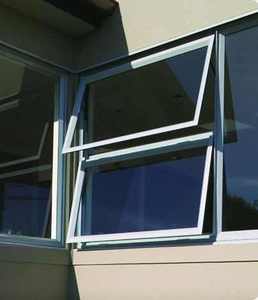
Engineered roof glazing with integrated electrical shading. Fully seal-tested for extreme slope rain loads and thermal barrier protection.
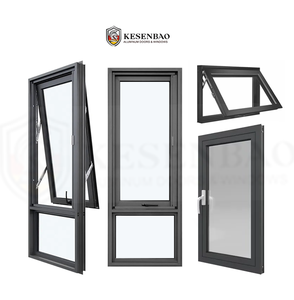
Multi-chamber European profile hardware allowing dual-action ventilation and maximum sound dampening for urban residential developments.
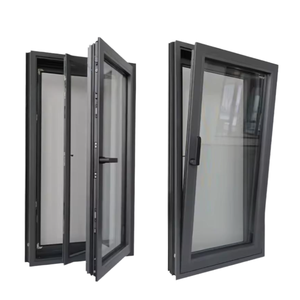
Polyamide insulated barrier profile interrupting conductive heat flow. Ideal for energy-efficient single and multi-family residential villas.
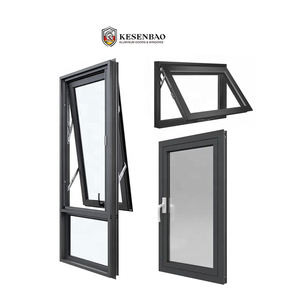
Structural wind pressure load certified up to N6 criteria. Heavy-duty EPDM weather strip gaskets ensure absolute water tightness.
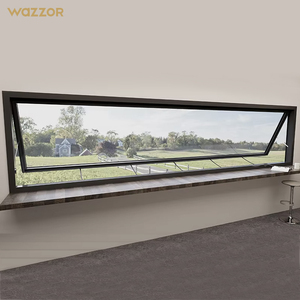
Counterbalanced gas struts provide effortless 90-degree opening. Seamless indoor-outdoor pass-through for hospitality and luxury homes.
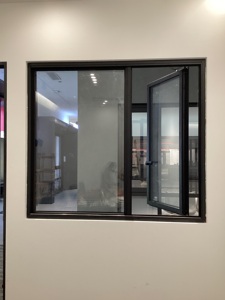
Ultra-wide 20mm air spacer maximises sound dampening and thermal U-value performance while retaining architectural micro-sightlines.
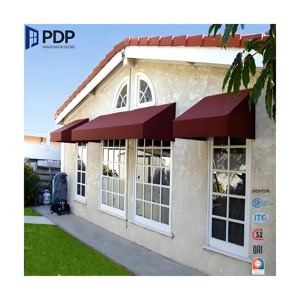
Bespoke metal alloys designed for classic heritage facades requiring modern double glazing thermal performance and custom color finishes.
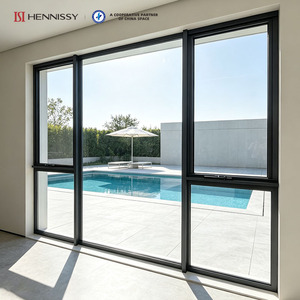
Vertical awning system designed for high-wind coastal conditions. Features dual-stage drainage channels and anti-corrosion hardware.
Why selecting China's top-tier manufacturers requires looking beyond surface aesthetics into extrusion metallurgy, seal physics, and glass gas-retention rates.
Standard aluminum is an intense heat conductor ($K = 200 \text{ W/m}\cdot\text{K}$). Premium Chinese manufacturers utilize architectural grade 6063-T5 virgin aluminum alloys integrated with precision-extruded Polyamide (PA66-GF25) structural insulation strips. This mechanical barrier breaks the thermal bridge, preventing condensation while boosting interior frame surface temperatures during extreme winter conditions.
An Insulated Glass Unit (IGU) is only as enduring as its secondary seal. Elite fabricators employ dual-seal systems: a primary butyl seal for gas barrier containment and a secondary structural silicone or polysulfide seal for mechanical resilience. Cavities are injected with 97% pure Argon gas paired with warm-edge Technofill spacers, reducing U-factors down to 0.18 BTU/h·ft²·°F.
Sound pressure waves pass effortlessly through unengineered glass. By specifying asymmetric double glazing—such as 6mm outer toughened glass + a 16A Argon gap + 8.76mm inner PVB/SGP acoustic laminated glass—the structural system breaks resonant sound frequencies, delivering an Sound Transmission Class (STC) rating of up to 45 dB.
Quantitative benchmarks to help structural engineers and procurement officers evaluate technical quotes from Chinese manufacturers.
| Performance Parameter | Standard Commercial Glazing | Premium Export Grade (Royal Windoor Tier) | Engineering Benefit |
|---|---|---|---|
| Frame Alloy & Temper | Recycled 6063-T5 (Wall thickness ~1.2mm) | Primary Virgin 6063-T5 (Wall thickness 1.8mm – 2.2mm) | +45% Structural wind load resistance (Deflection strength) |
| Thermal Break Strip | Generic PVC or low-grade nylon | Imported Technoform PA66-GF25 (25% Glass Fiber) | Zero thermal degradation, high tensile strength across -30°C to +80°C |
| Glass Build-Up | 5mm Clear + 9A + 5mm Clear | 6mm Low-E Double Silver + 16A Argon + 6mm Clear / Laminated | Blocks 78% of Solar Infrared Heat while retaining High Light Transmittance |
| IGU Spacer System | Conductive Mill-Finish Aluminum Spacer | Stainless Steel / Composite Warm-Edge Spacer | Eliminates edge condensation; cuts thermal loss around glass perimeter |
| Hardware & Locking | Single-point zinc latch hardware | German Siegenia / Hoppe Multi-Point Locks | Forced-entry protection and continuous weather-seal pressure compression |
| Compliance Testing | In-house mill certificate only | AS2047, NFRC, CE, TDI Hurricane Impact Listed | Seamless municipal building code approvals across USA, AU, and EU |
Market dynamics, regulatory evolution, and technology shifts shaping Chinese fenestration manufacturing over the next decade.
Traditional Argon-filled double glazing is increasingly being augmented by Hybrid VIG technology. By combining a 0.3mm micro-vacuum seal on one side with a standard argon gas cavity on the second, overall unit thickness is reduced by 40% while achieving ultra-low U-factors ($U \le 0.10 \text{ W/m}^2\text{K}$). Chinese factories are currently leading global capital investments in continuous vacuum chamber production lines.
With the European Union implementing CBAM and North America prioritizing LEED v4.1 certification, international procurement teams no longer select suppliers solely based on FOB pricing. Chinese leaders are now supplying full Life Cycle Assessments (LCA) and EPD documentation, verifying the use of hydro-powered aluminum smelting and recycled scrap loop integration.
Double glazing units are evolving into active energy-generating building envelopes. Procurement contracts for modern commercial towers increasingly specify Building Integrated Photovoltaics (BIPV) inside double-glazed spandrel panels, or electrochromic tinting that automatically modulates Solar Heat Gain Coefficient (SHGC) based on real-time solar irradiance sensors.
To mitigate escalating domestic jobsite labor costs in North America and Australia, project developers are shifting from field-glazed stick systems to 100% factory pre-glazed unitized modules. Direct sourcing from top Chinese manufacturers allows fully finished, crated, and sea-freight reinforced window units to arrive ready for immediate crane installation.
How leading Chinese window and door manufacturers are redesigning profile geometries and hardware mechanisms.
Modern architectural design demands invisible frames. Engineering focus has migrated toward structural glass bonding where the double glazed IGU acts as a load-bearing element. Interlock sightlines on sliding doors have dropped from 80mm down to 20mm slim sightlines without sacrificing design pressure ratings against hurricane winds.
Concealed drive motors embedded within the thermal break profile are replacing bulky surface-mounted operators. High-end awning and skylight double glazing units now incorporate smart building management system (BMS) integration, rain sensors, and motorized multi-point locking gear.
Coastal developments require missile impact survival. Chinese export manufacturers have integrated SentryGlas® (SGP) ionoplast interlayers within double glazed build-ups. Unlike traditional PVB, SGP interlayers are 5 times stiffer and 10 times more tear-resistant, retaining structural integrity even if both glass lites are shattered during extreme typhoons.
Combining 30 years of manufacturing lineage with streamlined international logistics and uncompromised quality assurance.
Unlike trading entities that outsource fabrication to multiple fragmented shops, our integrated operational model oversees profile extrusion, thermal break insertion, IGU double glazing assembly, and hardware fitting under one strict Quality Management System. A frame issue and a glazing seal issue land on the exact same engineering desk.
Because we operate dedicated production lines for both 6063-T5 thermally broken aluminum and multi-chamber rigid uPVC vinyl profiles, we provide objective technical recommendations. We assist developers in optimizing project budgets by specifying high-span aluminum for main elevation architectural glass walls and uPVC for secondary bedroom windows.
Headquartered in Houston, Texas with extensive direct manufacturing integration in China, we bridge the gap between Asian manufacturing cost efficiency and local boots-on-the-ground support. Custom crated containers are dispatched with shop drawings, thermal calculation reports, structural wind load sheets, and step-by-step installation guides.
Expert insights covering certifications, ocean freight packing, quality control, and thermal performance specifications.
Always demand independent third-party test reports issued by accredited laboratory bodies such as Azuma Testing, NFRC certified laboratories, or Intertek. Legitimate manufacturers provide test report numbers that can be cross-verified in public online databases (such as the NFRC Certified Products Directory or TDI listings). Ensure the test report matches the exact profile wall thickness, thermal break type, and glass build-up being quoted.
In hot-humid zones, solar heat gain is the dominant cooling load driver. Specify a soft-coat Double Silver Low-E on surface #2 of the outer pane (6mm Low-E + 16A Argon + 6mm Clear). This blocks high-angle infrared solar heat while allowing visible daylight to pass through, keeping the Solar Heat Gain Coefficient (SHGC) below 0.23 and drastically lowering HVAC power consumption.
Ocean freight exposes crates to extreme atmospheric pressure changes and temperature swings. Elite manufacturers utilize automated primary PIB butyl application and robotic secondary structural silicone sealing. Furthermore, capillary tubes are installed in IGUs shipping to high-altitude destinations to equalize pressure, which are then permanently sealed on site prior to installation.
Standard production lead time for custom thermally broken aluminum or uPVC double glazed windows is typically 3 to 5 weeks from final shop drawing approval. Specialized architectural finishes (such as fluorocarbon PVDF coating, custom anodizing, or wood-grain sublimation) or SGP hurricane impact glass laminations require approximately 5 to 7 weeks. Containerized ocean shipping takes an additional 2 to 4 weeks depending on the destination port.
Products are packed using fully enclosed export-grade fumigated plywood crates (ISPM 15 compliant). Windows are protected with corner guards, wrapped in shrink film, separated by shock-absorbing rubber spacers, and secured inside steel-reinforced crates. Crates are loaded with air-bag dunnage inside the sea container to prevent micro-shifting during transit.
Virgin 6063-T5 aluminum offers superior tensile strength, yield strength, and structural deflection resistance. Recycled alloy billets contain impurities that cause micro-cracks during complex thermal break crimping, resulting in poor structural integrity under high wind loads and premature powder-coat blistering when exposed to salt-spray coastal environments.
Consult with our senior fenestration engineers. We will analyze your project specifications, prepare structural wind-load estimates, and provide a direct factory quote within 24 hours.
Get Catalog