Engineered for climate resilience, soundproofing, and structural integrity. Sourced directly from verified tier-1 manufacturing lines compliant with AS2047, CE, and NFRC standards.
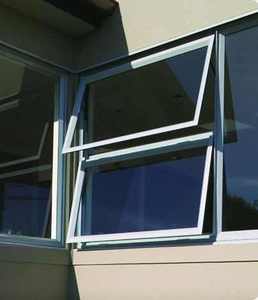
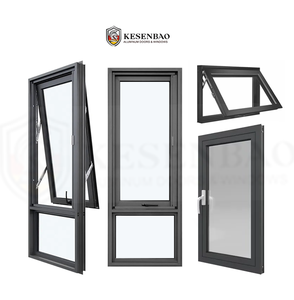
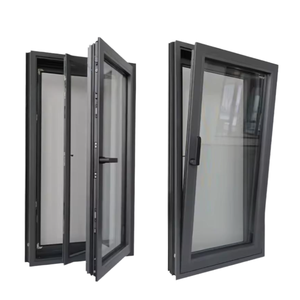
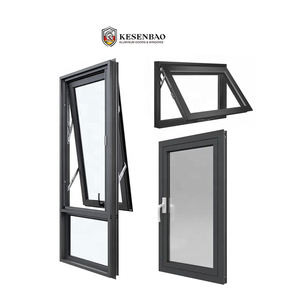
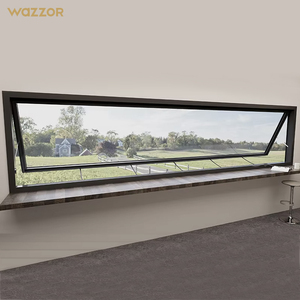
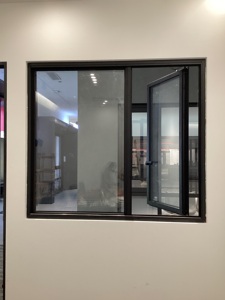
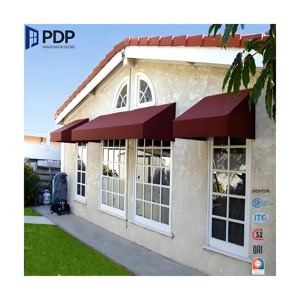
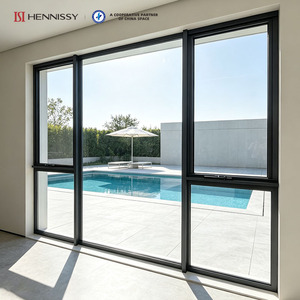
Why leading North American and European real estate developers, window brand owners, and trade distributors are shifting toward China's precision-engineered vinyl and hybrid fenestration factories.
Traditional single-chamber vinyl profiles are obsolete. Top Chinese OEMs now utilize 5-to-7 chamber uPVC extrusions reinforced with hot-dip galvanized steel inserts (1.5mm to 2.5mm gauge) to achieve structural performance exceeding 5000 Pa wind load pressures.
High-grade Chinese vinyl factories employ unplasticized PVC (uPVC) resin with a K-value of 67–68 blended with Titanium Dioxide (TiO2 ≥ 8 PHR) and organotin stabilizers to prevent UV degradation, yellowing, or micro-cracking in extreme tropical or desert climates.
By combining direct factory extrusion capabilities in China with North American engineering centers (such as Royal Windoor's Houston facility), buyers receive 30%–45% cost efficiency without sacrificing local warranties or jobsite support.
Selecting the right fenestration material requires evaluating thermal conduction coefficient (K-Value), moment of inertia (Ix/Iy), sound transmission class (STC), and overall lifecycle cost.
When specifying fenestration packages for high-performance residential developments, multi-family towers, or luxury custom homes, procurement directors must evaluate the structural dynamics of unplasticized Polyvinyl Chloride (uPVC) against 6063-T5 extruded aluminum. While aluminum dominates architectural facades requiring extreme panel sizes and ultra-slim sightlines, modern multi-chamber uPVC vinyl profiles deliver superior thermal insulation values per procurement dollar spent.
| Performance Spec | Multi-Chamber uPVC Vinyl (70mm–88mm) | Thermally Broken 6063-T5 Aluminum | Standard Non-Thermal Aluminum |
|---|---|---|---|
| Thermal Conductivity (K-Value) | 0.16 – 0.20 W/m·K (Exceptional Insulator) | 1.8 – 2.4 W/m·K (With Polyamide Strip) | 160 – 200 W/m·K (High Conduction Loss) |
| NFRC U-Factor Range | U-0.14 to U-0.22 BTU/hr·ft²·°F | U-0.24 to U-0.32 BTU/hr·ft²·°F | U-0.45 to U-0.65 BTU/hr·ft²·°F |
| Acoustic Isolation (STC) | STC 36 – 44 dB (Dampens High & Low Frequency) | STC 32 – 38 dB (Requires Laminated Glass) | STC 24 – 28 dB (Poor Noise Barrier) |
| Corner Joint Integrity | Fusion-Welded Seams (Seamless Water Seal) | Corner Cleats with Epoxy Injection | Mechanical Screws & Butyl Gaskets |
| Coastal Salt Corrosion Resistance | 100% Corrosion Proof (Immune to Chloride) | Requires Qualicoat Class 2 Powder/Anodized | Prone to Filiform Corrosion |
| Relative Cost Index | Base Cost (1.0x) — Highest ROI | 1.45x to 1.85x Base Cost | 0.85x Base Cost (High Energy Penalties) |
Anticipating regulatory tightening, carbon taxes, and technological transformations in global vinyl window manufacturing.
The integration of Vacuum Insulated Glass (VIG) units into 70mm and 80mm uPVC sashes represents the biggest leap in window thermal efficiency over the past decade. By creating a 0.3mm vacuum gap between glass panes, thermal conduction drops close to zero, allowing vinyl windows to achieve R-values above R-10 (U-factor < 0.10).
Commercial specifiers no longer need to choose strictly between vinyl and aluminum. Modern Chinese factories are scaling Co-Extruded Alu-Clad Vinyl Systems, featuring an interior multi-chamber uPVC core for maximum thermal performance paired with an exterior powder-coated aluminum skin for crisp architectural aesthetics.
Driven by European ESG mandates and US Green Building Council (LEED v4.1) requirements, tier-1 Chinese manufacturers are substituting fossil-fuel base polymers with bio-attributed PVC resin derived from tall oil wood waste, cutting the embodied carbon footprint of frame extrusions by up to 40%.
Inside the automated extrusion lines, CNC welding corners, and rigorous testing protocols that define top-tier Chinese fenestration producers.
Unlike traditional manual corner-crimped aluminum windows that rely on solvent adhesives and gaskets to maintain water-tightness, high-volume vinyl window factories utilize four-head seamless CNC welding machines. The vinyl profile ends are heated to 240°C–250°C and fused under pneumatic pressure, creating a continuous, monolithic structural corner joint that will never leak or separate under structural building deflection.
A window frame is only as reliable as its locking mechanism. Premier Chinese window factories partner directly with German hardware giants—including Siegenia, Roto Frank, and Hoppe—or supply precision-matched concealed multi-point locking gear. Multi-point locking pins compress the EPDM rubber seals around the entire perimeter of the sash, providing security resistance against forced entry (PAS 24 / ASTM F588 standards).
Top-tier export factories operate automated insulated glass unit (IGU) assembly lines featuring robotic desiccant filling, double-sealed structural silicone/polyisobutylene (PIB) application, and online argon gas filling (achieving ≥ 95% gas concentration). Soft-coat triple silver Low-E coatings (such as Solarban 70 or Guardian ClimaGuard) are applied to achieve Solar Heat Gain Coefficients (SHGC) tailored specifically to Southern solar radiation or Northern heating climates.
For coastal project destinations (such as Florida, Texas, the Caribbean, or Australia), Chinese export factories manufacture certified IMPACT Series vinyl windows. Utilizing PVB or SentryGlas (SGP) laminated glass interlayers, these windows undergo large missile impact testing (9-lb 2x4 lumber fired at 50 ft/s) and cyclic pressure loading up to +/- 90 PSF under ASTM E1886/E1996 testing protocols.
Bridging Chinese factory-direct pricing with local engineering accountability, shop drawings, and nationwide delivery.
Eliminate middleman distributor markups. Our integrated supply chain operates custom profile extrusion dies, glass processing plants, and hardware assembly lines, delivering wholesale direct pricing for trade buyers, dealers, and volume commercial contractors.
Every order is accompanied by detailed CAD shop drawings, elevation schedules, wind pressure calculation reports, and NFRC/AS2047 performance documentation prior to raw material cutting, ensuring 100% compliance with local building codes.
To eliminate ocean transit freight damage, all window units are wrapped in protective polyethylene film, fitted with corner guards, and sealed inside fully enclosed, ISPM-15 compliant fumigated plywood crates with desiccant moisture packs.
Addressing key technical, logistical, and commercial inquiries from architects, builders, and window importers sourcing vinyl windows from China.
Premium Chinese uPVC extruders formulate their raw vinyl compounds specifically for high-UV exposure (Tropical Climate Grade / Mark S formulation). By incorporating high concentrations of Titanium Dioxide (TiO2 ≥ 8 PHR) and advanced organotin heat stabilizers, the profiles are chemically stabilized to withstand accelerated weathering tests (ISO 4892-2) without chalking, cracking, or color shift over 30+ years.
For North America, windows must be certified by the National Fenestration Rating Council (NFRC) for thermal metrics (U-factor, SHGC, VT) and pass AAMA/WDMA/CSA 101/I.S.2/A440 air, water, and structural tests. For Australia, products must comply with AS2047 (Windows and External Glazed Doors in Buildings) and AS1288 for safety glass. Tier-1 Chinese manufacturers provide verified lab test reports from accredited bodies like Intertek, CSA, or Azuma.
Standard profile colors (white, black exterior foil, dark bronze) usually have low MOQs starting at 20 units or 1 full 20ft container for custom project orders. Standard factory production lead times run 2 to 4 weeks for vinyl systems and 4 to 6 weeks for specialized hybrid or impact-rated units, plus ocean transit time.
For standard residential wall openings where maximum energy efficiency per dollar is the primary goal, multi-chamber uPVC vinyl is superior due to its inherently non-conductive frame material. However, if your architectural design calls for oversized floor-to-ceiling glass walls, zero-threshold sliding doors, or ultra-narrow sightlines, thermally broken 6063-T5 aluminum is recommended for its structural rigidity.
Leading manufacturers provide a 10 to 20-year written warranty on vinyl frames and insulated glass units, alongside a 5 to 10-year warranty on mechanical hardware. By using standardized international hardware profiles (like German 13mm axis gear grooves), replacement hinges, locks, and handles can be sourced locally or shipped rapidly via air freight directly from factory inventory.
Before fabrication begins, engineers review architectural floorplans, structural rough opening (RO) dimensions, wall flashing details, and floor finish heights. For volume commercial projects, prototype sample units are manufactured and shipped to the site for physical test-fit validation prior to full mass-production runs.
Ready to elevate your project's thermal performance while optimizing procurement costs? Request a comprehensive technical estimate, CAD shop drawing review, or factory sample package today.