Engineered to international standards including AS2047, CE, NFRC, and TDI hurricane impact compliance.
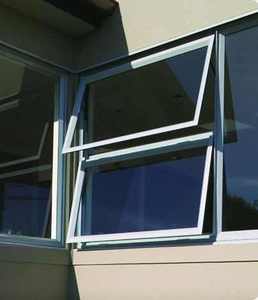
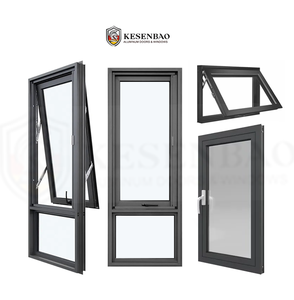
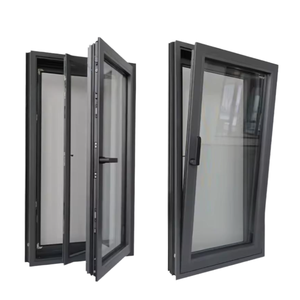
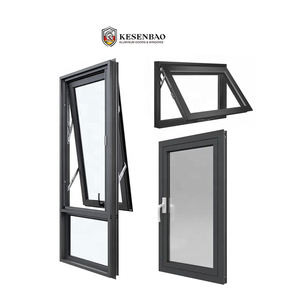
Overcoming the trade-offs between architectural minimalism, structural integrity, and extreme thermal isolation.
Our extrusion lines utilize exclusively 6063-T5 primary bauxite aluminum billets. By maintaining rigid iron-to-magnesium ratios, we achieve web tensile strengths exceeding 160 MPa, ensuring zero deflection under high wind-load pressures.
Unlike low-grade PVC inserts, our thermal break profiles are crimped with 25% glass-fiber reinforced Polyamide (PA66GF25). This matches the thermal expansion coefficient of aluminum, preventing de-lamination and joint fatigue over 50-year lifespans.
Equipped with automatic vertical powder coating and PVDF fluorocarbon spraying plants. Compliant with Qualicoat Class 2 standards, resisting salt-spray oxidation, UV chalking, and aggressive coastal corrosion for over 25 years.
A data-backed comparison designed for architectural specifiers, structural engineers, and facade procurement specialists.
Selecting the optimal profile system requires analyzing structural load demands, regional thermal envelope mandates, and total life-cycle procurement costs. China's top window profile manufacturers produce both high-strength thermal break aluminum extrusions and multi-chamber uPVC vinyl profiles. Below is an engineering evaluation comparing the operational limits and performance thresholds of both systems.
| Performance Metric | Architectural Aluminum (6063-T5) | Multi-Chamber uPVC (Rigid Vinyl) | Hybrid Steel / Copper Alloys |
|---|---|---|---|
| Structural Tensile Strength | ≥ 160 MPa (High Load Resilience) | ≥ 40 MPa (Requires Steel Reinforcement) | ≥ 310 MPa (Extreme Load / Narrow Sightline) |
| Thermal Transmittance (U-Frame) | 1.6 – 2.2 W/m²K (With PA66 Thermal Break) | 1.0 – 1.4 W/m²K (Multi-Chambered Air Cavities) | 2.0 – 2.8 W/m²K (Requires Custom Insulated Core) |
| Max Single-Sash Dimension | Up to 1.8m x 3.5m (Oversized Panels) | Up to 1.0m x 2.2m (Standard Sizes) | Up to 1.5m x 3.0m (Custom French Doors) |
| Acoustic Isolation (STC Rating) | 35 – 45 dB (With Acoustic Laminated IGU) | 32 – 40 dB (Natural Dampening Properties) | 38 – 48 dB (Heavy Density Mass Dampening) |
| Salt-Spray Oxidation Resistance | Qualicoat PVDF Coating > 3,000 hrs | UV-Stabilized Foil / Color-In-Mass | Patinated Copper / Marine Epoxy Lacquer |
| Design Life & Recyclability | 50+ Years (100% Circular Recyclable) | 25 – 30 Years (Downcyclable Polymer) | 75+ Years (Premium Architectural Heritage) |
Monolithic aluminum profiles possess high thermal conductivity (k ≈ 200 W/m·K), which leads to thermal bridging, interior surface condensation, and elevated HVAC energy loads. To solve this, China's premier export factories utilize a mechanical knurling, insertion, and crimping process that integrates structural polyamide insulating strips into the aluminum profile core.
The insertion of PA66GF25 (Polyamide 66 reinforced with 25% structural glass fiber) drops the thermal conductivity coefficient of the insulating bridge down to k ≈ 0.3 W/m·K—over 600 times lower than solid aluminum. This mechanical thermal break allows modern aluminum windows to effortlessly achieve strict low-E energy performance criteria required by North American NFRC and European CE/Passivhaus standards.
How automation, carbon compliance, and smart glazing integration are reshaping B2B fenestration supply chains.
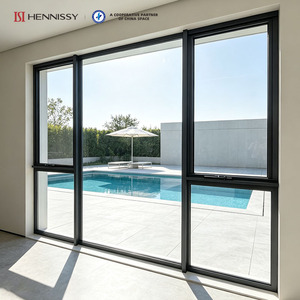
Modern architectural trends prioritize maximum daylight intake. Next-generation aluminum extrusions utilize high-strength 6060-T66 or 6063-T6 alloys that allow frame sightlines as narrow as 20mm to 35mm while carrying heavy triple-pane insulated glass units weighing over 300kg per sash.
With global carbon border adjustment mechanisms (such as EU CBAM) coming into effect, leading Chinese exporters are shifting towards green hydro-powered smelting and post-consumer recycled aluminum billets. This reduces embodied carbon from 16kg CO2/kg aluminum down to under 4kg CO2/kg.
As double glazing reaches its physical insulation threshold, vacuum insulated glass (VIG)—providing U-values down to 0.4 W/m²K in an 8.3mm profile thickness—is being integrated directly into custom extruded aluminum sashes, drastically thinning frame depths.
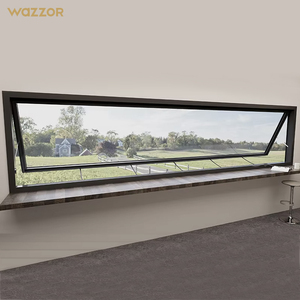
Commercial hospitality projects increasingly specify automated gas-strut awning windows and motorized tilt-and-turn units linked directly to Smart Building Management Systems (BMS) for automated night purging, smoke extraction, and rain-sensor closure.
Essential guidance covering international compliance, quality control, shipping logistics, and custom tooling.
Compliance with AS2047 requires rigorous physical testing of complete window assemblies rather than profile sections alone. Top Chinese manufacturers send full-scale window samples to NATA-accredited testing laboratories (such as Azuma Testing or Intertek). Windows undergo deflection testing (AS4420.2), operating force tests (AS4420.3), air infiltration (AS4420.4), water penetration resistance (AS4420.5) up to 600Pa, and ultimate limit state strength (AS4420.6) reaching up to 4500Pa wind pressure.
For custom profile sections requiring new extrusion dies, the initial CAD drawing approval takes 2 to 4 days. Matrix tool fabrication takes approximately 10 to 14 days. Sample extrusions (T0 samples) are then extruded, anodized or powder-coated, and air-freighted to the buyer within 5 days. Once sample geometry and dimensional tolerances (compliant with GB/T 5237 or EN 755) are signed off, mass extrusion and fabrication run on a 3 to 4-week production cycle.
Export profile shipments undergo a multi-layer protective packaging sequence: 1) Every profile face is wrapped with protective surface film (PE protective tape); 2) Individual extrusions are interleaved with non-abrasive foam paper; 3) Bundles are shrink-wrapped in waterproof thermal plastic; 4) For finished windows, heavy-duty wooden crates or steel-framed A-frame stills are used with corner protection to prevent transit racking during container ocean transport.
Leading Chinese exporters engineer their profile extrusion dies to standard European hardware grooves (Euro-Groove standard C-Groove 15/20mm). This standardized geometry ensures seamless integration with top European multi-point locking gear, concealed hinges, and handles from premium hardware manufacturers like Roto Frank, Siegenia-Aubi, GU, and Hoppe without requiring custom machining adaptors.
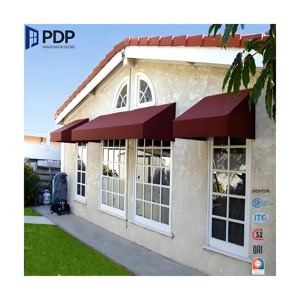
For standard residential windows and awning sashes, 6063-T5 aluminum provides an excellent balance of surface finish smoothness, complex extrusion capability, and tensile strength (≥160 MPa). For structural mullions in high-rise curtain wall applications or wind-borne debris hurricane impact zones, 6063-T6 or 6005A-T6 alloy profiles are specified due to their elevated yield strength (≥210 MPa), resisting higher dynamic wind shears without excessive wall thickness inflation.
Top exporters maintain ISO 9001 quality management workflows and welcome third-party inspection agencies (such as SGS, Bureau Veritas, or TÜV Rheinland). QA inspections cover cross-sectional wall thickness checks using digital calipers, coating thickness measurement via magnetic eddy-current gauges (min 40µm for anodizing, min 60µm for powder coat), cross-hatch adhesion testing (ISO 2409), and 100% water tightness testing on fully assembled units.
Need custom CAD shop drawings, structural wind-load calculations, or factory-direct pricing for your project? Contact our engineering team today for immediate technical assistance.