1. Strategic Procurement of Wholesale Impact Windows from China Manufacturing Hubs
In the global construction and architectural development landscape, sourcing high-performance China wholesale impact windows has evolved from a pure cost-reduction tactic into a strategic technological partnership. Modern commercial developments, high-density residential towers, and luxury coastal estates demand structural fenestration systems capable of enduring severe environmental stresses—ranging from Category 5 hurricane wind loads to hyper-saline coastal corrosion and extreme solar thermal radiation.
As a leading OEM/ODM window manufacturer, our engineering matrix integrates precision 6063-T5 virgin aluminum extrusions, advanced structural polyamide thermal barriers (PA66-GF25), and multi-layer laminated security glass build-ups. By eliminating multi-tier brokerage markups and maintaining direct oversight over metallurgical extrusion, anodizing, glass toughening, and automated hardware assembly, China-based integrated factories deliver unparalleled information gain and structural reliability to real estate developers, general contractors, and trade distributors worldwide.
Technical Insight for Specifiers: The structural integrity of an impact window does not rely solely on glass thickness. The fundamental failure point in hurricane events is frame deflection and corner joint shear. Our factory utilizes heavy-walled aluminum corner keys combined with dual-component structural epoxy injection, ensuring frame-to-sash structural stability up to a Design Pressure (DP) rating of +/- 70 PSF.
Global Compliance & Structural Certification Standards
Sourcing Fenestration systems internationally requires rigorous adherence to regional building codes. Our wholesale production lines are engineered and independently tested to satisfy the world's most demanding window standards:
North American NFRC & AAMA: Verified thermal U-Factor, Solar Heat Gain Coefficient (SHGC), and air infiltration compliance.
Florida Building Code (FBC) & TDI: High-Velocity Hurricane Zone (HVHZ) large and small missile impact resistance.
Australian Standard AS2047 & AS1288: Rigorous structural deflection, water penetration resistance (up to 600Pa), and safety glazing standards.
European CE & EN 14351-1: E-1200 water tightness and Class 4 air permeability certification.
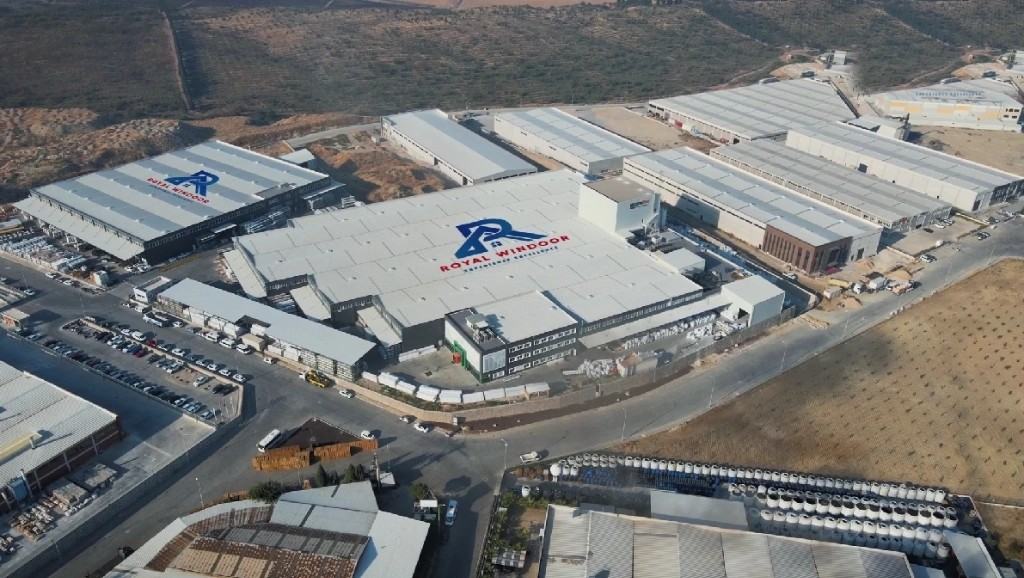
To evaluate a primary China impact window factory supplier, procurement officers must look beyond surface aesthetics and analyze the structural chemistry, alloy treatment, and quality assurance workflows inside the manufacturing plant. Operating from our state-of-the-art production complex, our engineering team manages the complete lifecycle of architectural glass and aluminum systems.
6063-T5 Virgin Aluminum Extrusions
We utilize exclusively primary virgin ingot aluminum billet (no scrap or recycled impurities), aged to T5 temper. This delivers tensile strength exceeding 185 MPa, preventing frame warp under severe structural loads.
Polyamide PA66-GF25 Thermal Breaks
Our frames incorporate 25% glass-fiber reinforced polyamide thermal barriers crimped securely between inner and outer aluminum extrusions, cutting conductive thermal bridging by over 65%.
German Multi-Point Hardware Systems
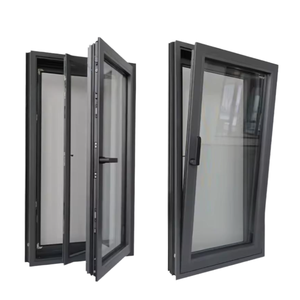
Partnered directly with German hardware giants (Siegenia, Roto, Hoppe), our casement, tilt-and-turn, and lift-and-slide assemblies feature stainless-steel multi-locking points for unmatched forced-entry protection.
Direct Factory vs Intermediary Distributor Sourcing Matrix
When purchasing hurricane impact windows in commercial quantities, eliminating middleman distributor risk ensures precise engineering compliance and full quality trace-ability back to raw materials:
Evaluation Criteria
China Direct Integrated Factory
Domestic Importer / Broker
Standard Wholesale Trading Co.
Custom Profile Engineering
Full In-House Extrusion Dies & CAD Support
Limited to Stock Off-the-Shelf Profiles
Third-Party Subcontracted Modification
Impact Glass Interlayer Option
SentryGlas® (SGP) & PVB High-Toughness Laminates
Standard PVB Only (Higher Cost Upcharge)
Basic Laminated Glass (Untested)
Surface Protection Finish
Kynar 500® PVDF Fluorocarbon / Qualicoat Powder
Standard Architectural Powder Coating
Variable Commercial Paint Finishes
Production Lead Time
Direct 3 to 5 Weeks (Prioritized Line Slot)
8 to 14 Weeks (Multi-tier Freight Drops)
Unpredictable Batch Aggregation Delay
Direct Factory Warranty
10–20 Year Structural & Glass Seal Warranty
1–5 Year Limited Brokerage Warranty
Voidable Third-Party Warranty
3. Global Future Procurement & Architectural Engineering Trends
As international green building codes tighten and extreme weather events increase in frequency, the procurement landscape for wholesale impact windows is undergoing a rapid technological migration. B2B buyers and architectural specifiers must anticipate these four structural market shifts when negotiating long-term vendor supply contracts:
Trend A: High-Performance SGP Interlayer Dominance over Standard PVB
While standard Polyvinyl Butyral (PVB) interlayers remain common in basic residential impact glazing, high-end commercial projects are shifting rapidly to DuPont SentryGlas® (SGP) ionoplast interlayers. SGP interlayers are 5 times tougher and up to 100 times stiffer than traditional PVB materials. In hurricane impact applications, if the outer glass pane fractures under severe impact, the SGP interlayer maintains structural rigidity, remaining upright even under continuous cyclic wind pressure load, preventing building envelope blowouts.
Trend B: Ultra-Slim Sightlines with Thermal Break Performance
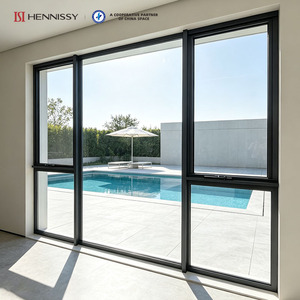
Modern luxury architecture prioritizes expansive glass areas with minimal frame obstruction. Historically, slim frames sacrificed thermal efficiency and wind load performance. Next-generation factory engineering solves this through structural silicone glazing (SSG), hidden sash designs, and high-tensile 6063-T6 frame reinforcements, enabling sightlines as narrow as 20mm while passing stringent AS2047 structural deflection standards.
Trend C: Automated Gas Strut & Power Awning Fenestration
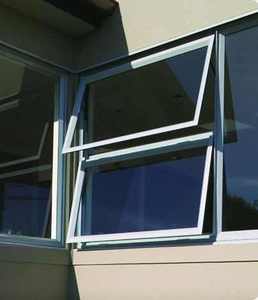
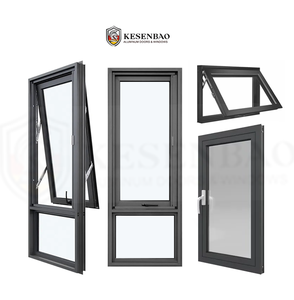
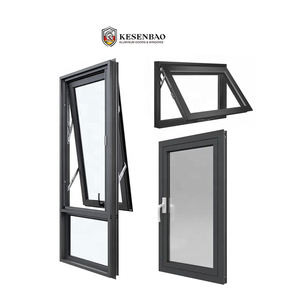
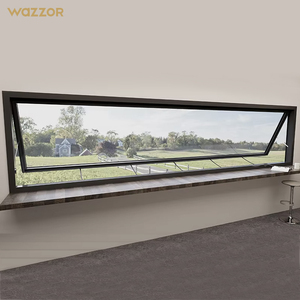
Commercial hospitality venues, coastal villas, and high-end residential kitchens are increasingly specifying pneumatic top-out gas strut windows. Operating on heavy-duty stainless steel hydraulic pistons, these units open seamlessly to a full 90 degrees, creating unobstructed indoor-outdoor bar pass-through openings without bottom track obstructions.
Environmental Product Declarations (EPDs) are becoming mandatory criteria in commercial tenders across Europe, North America, and Australia. Forward-thinking China factories are adopting hydro-electric powered aluminum smelting, reducing the embodied carbon footprint per square meter of window frame by up to 40% compared to traditional coal-fired extrusion plants.
Direct responses to critical inquiries submitted by structural engineers, commercial developers, and wholesale importers during project qualification.
What specific aluminum alloy and thermal barrier technology do you utilize?+
Our premium structural impact windows are extruded from virgin 6063-T5 aluminum alloy, engineered to maintain precise wall thickness tolerances (1.8mm to 3.0mm depending on structural span). We integrate German-engineered Polyamide PA66-GF25 (25% glass fiber reinforced) thermal break strips mechanically crimped into dual-chamber profile slots. This thermal barrier interrupts metal heat conduction, preventing interior condensation and lowering total thermal transmittance (U-factor).
How do your impact windows achieve hurricane rating and Florida/TDI compliance?+
Our hurricane impact assemblies undergo large-missile impact testing (ASTM E1886/E1996) where a 9-pound 2x4 wooden board is fired at 50 feet per second directly against the glass center and frame corners, immediately followed by 9,000 cycles of positive and negative wind pressure load. The combination of heat-strengthened laminated glass, structural silicone glazing (Dow Corning 983), and reinforced multi-point locking prevents envelope breach even when glass is cracked.
What are your minimum order quantities (MOQs) and factory production lead times?+
We support both commercial container-load orders and customized luxury villa packages. Standard product lines carry a flexible MOQ starting at 50 square meters. Production lead times typically range from 2 to 4 weeks for standard powder-coated finishes, and 4 to 6 weeks for custom architectural anodizing or complex structural curtain wall orders, followed by ocean container freight dispatch.
How are products crated and secured to prevent glass breakage during sea shipping?+
All units are factory-glazed, sealed, and cleaned prior to multi-layer protective packaging. Frames are wrapped in scratch-resistant PE film, fitted with heavy-duty rubber corner guards, and encapsulated in fully enclosed, IPPC-certified fumigation-free solid plywood crates. Crates feature bottom forklift slots and internal steel strapping to prevent movement inside ocean shipping containers.
Can your factory supply fully customized shop drawings and engineering calculations?+
Yes. Our in-house architectural engineering department provides detailed 2D AutoCad shop drawings, 3D BIM Revit models, thermal simulation reports (THERM/WINDOW software), and structural wind-load calculation packages for local municipal permit approvals prior to cutting raw extrusions.
What surface finish options are available for harsh salt-spray coastal environments?+
For coastal installations located within 1 mile of salt water, we specify PVDF (Fluorocarbon) 3-coat spray finishes containing AkzoNobel or PPG Kynar 500® resins, or 25-micron anodic oxidation coatings. These finishes pass 3,000 to 5,000 hours of continuous ASTM B117 salt spray testing without pitting, blistering, or color chalking.
Direct Factory Wholesale Engagement
Accelerate Your Project Specification & Reduce Fenestration Costs
Connect directly with our senior structural engineering team. Obtain instant factory-direct pricing, shop drawing evaluations, and hardware custom samples within 24 hours.