Explore our custom-built OEM acoustic windows designed for high-density urban developments, coastal luxury villas, and commercial architectural projects.
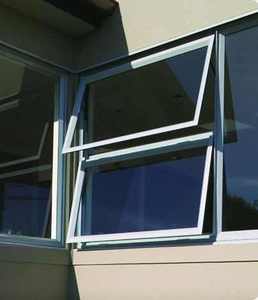
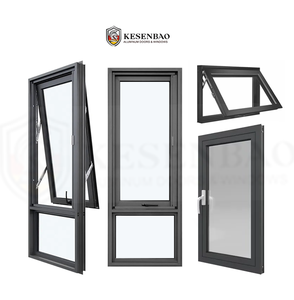
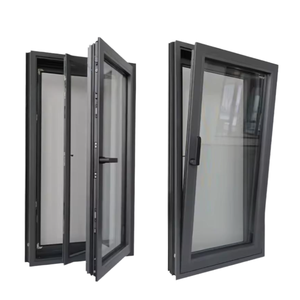
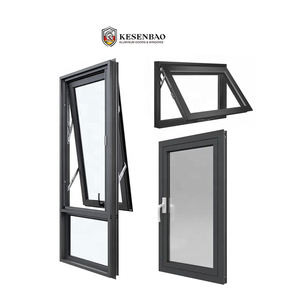
Standard architectural windows routinely fail acoustic isolation compliance in dense urban settings because they address thermal transfer without tackling sound frequency wave propagation. As a leading Custom OEM Acoustic Windows Manufacturer, our engineering team mitigates airborne acoustic energy through multi-layered glass mass variation, gas-filled damping cavities, and resilient frame decoupling.
By engineering asymmetric laminated double and triple Insulating Glass Units (IGU)—such as combining 6mm toughened glass with a 1.52mm PVB acoustic interlayer and an 8mm outer pane across a 20A warm-edge gas cavity—we eliminate coincidence frequency resonance dips, delivering acoustic dampening rated up to STC 48 / OITC 40.
Comprehensive laboratory test metrics for Royal Windoor OEM systems under ASTM E90 and AS2047 testing standards.
| Configuration Tier | STC Rating | U-Factor (W/m²K) |
|---|---|---|
| Standard Thermal Break (20A) | STC 35 - 38 | 1.4 - 1.6 |
| Acoustic PVB Laminated IGU | STC 40 - 44 | 1.1 - 1.3 |
| Triple Sealed Heavy-Duty OEM | STC 45 - 48+ | 0.8 - 1.0 |
With three decades of structural fabrication expertise, our Houston-directed engineering process unifies extrusions, glazing, multi-point hardware integration, and quality assurance under one rigorous framework.
Our aluminum frame profiles are custom extruded from primary-grade 6063-T5 magnesium-silicon alloy, guaranteeing tensile strength greater than 160 MPa to prevent structural flex under wind loading and heavy acoustic triple-glazing dead loads.
Integrated structural polyamide PA66 GF25 thermal breaks physically decouple the exterior metal housing from interior faces. This interrupts conductive thermal bridges, preventing condensation and mitigating acoustic structural vibration transfers.
Equipped with precision German-engineered locking gears and continuous perimeter EPDM weather-stripping. High compression perimeter sealing forces sashes tight against frames, eliminating perimeter air gaps where sound leaks occur.
As international building codes push toward Net-Zero Operational Carbon and stringent acoustic zoning near transport hubs, procurement vectors are evolving rapidly.
Procurement specifications are pivoting away from simple double-glazing toward custom asymmetric acoustic stacks using specialized sound-dampening Polyvinyl Butyral (PVB) and SentryGlas® (SGP) interlayers. Varying pane thicknesses (e.g., 6mm + 8.76mm acoustic laminate) disturbs sound wave coincidence, effectively attenuating low-frequency city traffic noise and low-altitude flight paths.
Architects no longer accept bulky industrial sightlines to achieve acoustic insulation. Modern OEM window manufacturing demands ultra-slim interlocks (20mm to 35mm sightlines) combined with deep structural glass pockets that accommodate high-mass acoustic glass without compromising modern minimal aesthetics.
Commercial hospitality, luxury residential villas, and rooftop venues increasingly mandate gas-strut awning systems and motorized push-out fenestration. OEM customizers must integrate heavy-duty pneumatic gas struts and concealed electrical actuators into thermally broken profiles while maintaining high wind-pressure resistance and acoustic seals.
Global developers require cross-border verified certifications. Future-proof procurement requires OEM partners capable of delivering certified structural wind pressure load resistance (AS2047), thermal efficiency (NFRC U-factor & SHGC ratings), and Texas Department of Insurance (TDI) hurricane impact ratings straight from the factory line.
Exploring the engineering breakthroughs that separate standard building fenestration from true laboratory-grade acoustic mitigation solutions.
By engineering custom warm-edge aluminum and composite spacer widths (ranging from 12A to 24A air/argon cavities), we tune the internal air cavity to absorb specific ambient noise spectrums, neutralizing low-frequency thuds and high-pitched rail noise alike.
Our OEM profiles utilize co-extruded EPDM and TPE gasket systems featuring micro-cellular damping chambers. These continuous seals collapse evenly along corners, sealing micro-fractures where sound waves usually bypass traditional rubber gaskets.
Acoustic performance must last for decades. We apply electrostatically sprayed Qualicoat-certified fluorocarbon (PVDF) finishes and marine-grade anodizing (25μm depth) to protect frame structural integrity against severe salt spray and UV degradation.
Select the optimal structural alloy, thermal break depth, and acoustic glass combination for your B2B project requirements.
| Series & System Type | Alloy Grade | Glazing Specification | Acoustic Rating (STC) | Primary Application |
|---|---|---|---|---|
| AS2047 TOMA Roof Skylight | 6063-T5 Thermal Aluminum | 6mm Low-E + 1.52PVB + 6mm Tempered | STC 38 | Acoustic Skylights & Roof Openings |
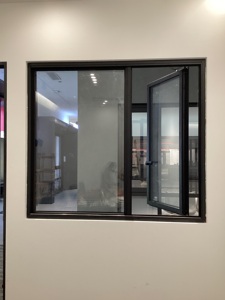
| Acoustic Tilt & Turn Casement | 6063-T5 Polyamide Broken | 6mm + 16A + 6.76mm Acoustic Laminate | STC 44 | Urban Residential & Commercial Towers |
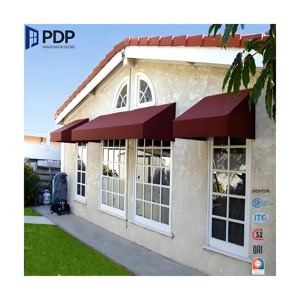
| Slim-Frame Awning System | High-Purity 6063-T5 | 5mm + 20A Warm Spacer + 5mm Low-E | STC 36 | Suburban Villas & Coastal Houses |
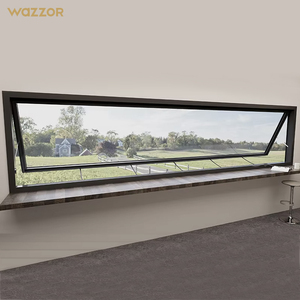
| Wazzor Gas-Strut Awning | Heavy-Duty Commercial Extrusion | 8mm Tempered + 18A + 6mm Toughened | STC 40 | Hospitality, Servery & Outdoor Bars |
| Minimalist Steel/Copper French | Cold-Rolled Steel / Architectural Copper | 6.38mm Laminated + 12A + 6mm Glazing | STC 42 | Heritage Retrofit & High-End Luxury |
| Australian Heavy Vertical Awning | AS2047 Structural Aluminum | 8.76mm Acoustic PVB + 16A + 6mm | STC 46+ | High-Wind Coastal & Airport Zones |
Essential information for architects, general contractors, developers, and wholesale window distributors.
A genuine acoustic window requires three engineered elements: mass dissimilarity (using different glass thicknesses to eliminate coincidence dip), structural decoupling (polyamide thermal breaks and flexible gas spacers), and airtight perimeter sealing (multi-point compression locking with EPDM seals). Standard windows with uniform double-glazing allow specific sound frequencies to pass through virtually unhindered.
Yes. As a dedicated OEM manufacturer, we engineer custom extrusion dies, specify custom polyamide break widths, and adjust frame depth (ranging from 65mm to 135mm) to match architectural shop drawings, structural wind load calculations, and regional wall thickness specifications.
We strictly manufacture using primary 6063-T5 aluminum alloy extrusions. This grade offers the optimal balance of tensile yield strength, structural corrosion resistance, and surface quality for powder coating or anodizing, adhering to international standards including AS2047, GB/T 5237, and ASTM B221.
Custom prototype samples and shop drawing confirmations typically take 1 to 2 weeks. Full production runs for containerized wholesale orders range from 3 to 6 weeks, depending on powder coating finish customization, special glass acoustic laminate procurement, and hardware selection.
All units undergo a multi-layer protective packaging sequence: protective surface film on profiles, corner shock-absorbers, heavy-duty bubble wrap wrapping, and fully enclosed, heat-treated fumigated plywood crates with internal foam cushioning. Crates are engineered for forklift handling and container tie-down compliance.
Yes. Our engineering systems are tested for structural deflection, water penetration resistance (up to 700 Pa), air infiltration, and impact resistance under AS2047, CE standards, and TDI (Texas Department of Insurance) storm guidelines. Project-specific test reports can be supplied with engineering submittals.
Send us your architectural shop drawings, schedule requirements, or structural performance specs. Our engineering team will review your project and provide detailed B2B wholesale pricing within 24 business hours.