In modern high-rise, commercial, and luxury residential construction, glass balustrades and architectural fenestration serve as critical structural safety barriers and primary thermal envelopes. Sourcing direct from certified OEM/ODM manufacturers ensures strict compliance with global building codes while optimizing project profitability through direct factory engineering.
The Evolution of Architectural Specification: Today's procurement directors, master architects, and curtain-wall contractors require more than off-the-shelf components. The convergence of strict energy efficiency standards (NFRC/AS2047), high-impact hurricane zone requirements (TDI/ASTM E1996), and ultra-clear aesthetic demands has elevated OEM/ODM glass balustrades and custom aluminum fenestration into high-precision engineering disciplines. Royal Windoor US delivers turnkey manufacturing, extruding 6063-T5 aluminum profiles, formulating polyamide thermal break barriers, and tempering laminated safety glass under a unified quality management system.
Select from our engineered portfolio of AS2047-certified architectural windows, heavy-duty awning systems, and structural glass balustrade components tailored for volume procurement.
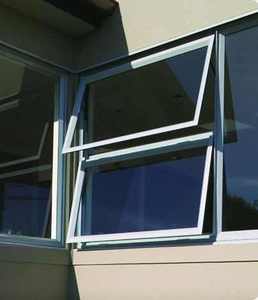
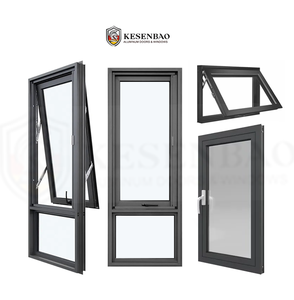
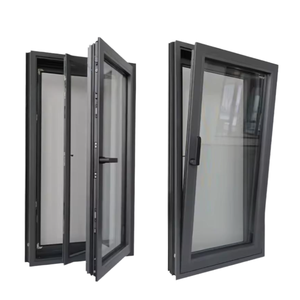
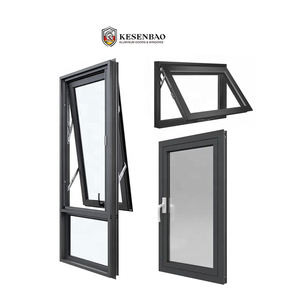
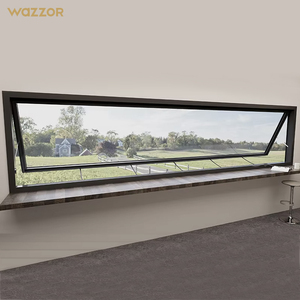
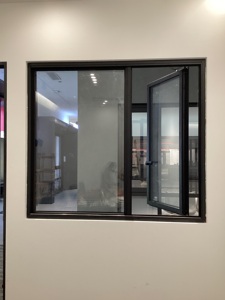
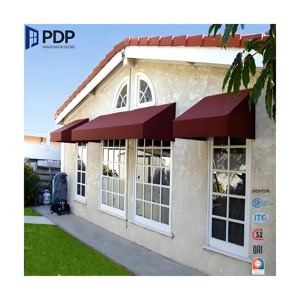
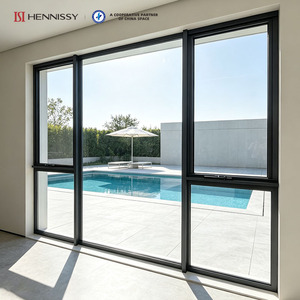
Comprehensive engineering comparison for glass balustrades, thermal break aluminum fenestration, and laminated architectural glass systems.
| Specification Category | Frameless Glass Balustrades | Thermally Broken Aluminum Awning/Casement | Impact-Rated Coastal Systems |
|---|---|---|---|
| Primary Structural Alloy | 6063-T6 Aluminum Shoe Channel / 316 Stainless Base | 6063-T5 Extruded Aluminum + PA66 Strip | Reinforced 6063-T6 Steel-Core Extrusions |
| Glass Build-Up & Interlayer | 12mm + 1.52 SGP + 12mm Toughened Laminated | 6mm Low-E + 12A/20A Argon + 6mm Toughened | 8mm Impact Laminate + 12A + 8mm Low-E |
| Design Wind Pressure (DP) | Up to 3.0 kPa (IBC 2024 / ASTM E935) | 4500 Pa to 6000 Pa (AS2047 Standard) | TDI Listed / Large Missile Impact (Level D) |
| Thermal Insulation (U-Value) | N/A (Structural Guardrail) | U-Value 1.2 - 1.6 W/m²K | U-Value 1.4 - 1.8 W/m²K |
| Sound Attenuation (STC/OITC) | STC 36 (Acoustic Barrier) | STC 40 - STC 45 (Acoustic Double IGU) | STC 42 - STC 48 (Laminated Acoustic Core) |
| Corrosion Resistance Class | C5 Marine Grade (Anodized > 25 microns) | Qualicoat Class 2 PVDF Powder Coating | Fluorocarbon Marine Spray / 316 Stainless Hardware |
| Global Compliance Marks | ASTM E2358, IBC, BS6399, AS/NZS 1170 | AS2047, NFRC, CE Mark, ISO 9001 | TDI (Texas Windstorm), Florida Building Code (FBC) |
Key technological, material, and regulatory shifts shaping international architectural procurement through 2030.
Global procurement specifiers are rapidly shifting from standard Polyvinyl Butyral (PVB) to SentryGlas® (SGP) ionoplast interlayers for structural glass balustrades. SGP offers 5 times the tear strength and 100 times the stiffness of traditional PVB, ensuring that balustrades remain upright even if both glass panes undergo catastrophic breakage. This safety margin allows for frameless designs with minimal hardware support.
Modern architectural aesthetics demand completely concealed fixing mechanisms. Future OEM/ODM shoe channels are engineered for direct floor embedding or side-mounting with zero top handrails (where local building codes permit). Modular, pre-aligned dry-glazing wedge systems cut installation time by up to 60%, drastically lowering job-site labor overhead for general contractors.
Green building projects are prioritizing ultra-clear low-iron glass (iron content < 100 ppm) to eliminate the green edge tint inherent in standard float glass. Coupled with factory-applied hydrophobic nano-coatings, glass balustrades gain self-cleaning characteristics, repelling water stains, salt spray, and urban particulate matter in harsh coastal or high-rise exposures.
How advanced extrusion techniques, thermal break engineering, and sustainability initiatives are driving next-generation building envelopes.
The global construction sector's push toward net-zero carbon buildings has reshaped aluminum extrusion manufacturing. Modern OEM/ODM factories are implementing circular supply chains using hydro-powered low-carbon aluminum and high-percentage recycled billet.
Procuring customized glass balustrades and window systems directly from an established OEM/ODM manufacturer eliminates split liability between frame fabricators, glass temperers, and hardware suppliers. By consolidating engineering under one roof, projects benefit from unified warranty coverage, streamlined shop drawings, and direct structural calculation validation before factory tooling begins.
Founded on three decades of architectural fabrication excellence, Royal Windoor US bridges world-class manufacturing with rigorous international compliance.
Operated by a seasoned team of mechanical engineers and master fabricators. We approach fenestration and balustrades with root-cause structural analysis, ensuring zero field failures under severe wind and dynamic load conditions.
We extrude primary 6063-T5 aluminum profiles in-house, pairing them with premium German multi-point locking hardware and EPDM marine gaskets for unmatched durability and weatherproofing.
Our systems meet or exceed AS2047, NFRC, TDI (Texas Department of Insurance Impact Rating), CE, and ASTM structural standards, supporting export crating and consolidated container logistics worldwide.
Essential technical clarification for architects, facade consultants, and trade procurement specialists specifying OEM/ODM glass balustrades and fenestration.
International building codes (including IBC 2024, BS 6399, and AS/NZS 1170) mandate three core structural tests for glass balustrades: Line Load Test (typically 0.75 kN/m to 1.5 kN/m applied at the top edge), Uniformly Distributed Load (UDL) test across the glass infill, and Concentrated Point Load Test (0.5 kN to 1.0 kN applied over a 100mm x 100mm area). OEM/ODM custom balustrades must undergo Finite Element Analysis (FEA) and physical destructive testing to certify that structural deflection does not exceed L/60 or 25mm.
SGP (SentryGlas®) is an ionoplast interlayer that is 100 times stiffer and 5 times tougher than conventional PVB. In structural frameless balustrade applications where the glass acts as a cantilevered load-bearing member, PVB can slump and collapse if the glass breaks. SGP retains structural integrity even when both glass laminates break, maintaining a rigid barrier until replacement occurs. SGP also exhibits superior moisture stability, preventing edge delamination in high-humidity marine environments.
Architectural balustrades and high-load window frames utilize 6063-T5 or 6063-T6 aluminum extrusion alloys. 6063 provides an optimal balance of high tensile strength (yield strength ≥ 170 MPa), excellent surface finish quality for anodizing and powder coating, and exceptional corrosion resistance. The T5/T6 artificial aging heat treatment ensures dimensional stability and structural stiffness under heavy dynamic wind pressure and guardrail line loads.
Aluminum is a highly conductive metal. A thermal break interrupts this thermal bridge by inserting a low-conductive polyamide strip (such as PA66 GF25) between the interior and exterior extruded aluminum profile chambers. This structural barrier reduces frame heat conduction by over 70%, preventing interior surface condensation during high humidity, improving overall U-factors down to 1.2 W/m²K, and maintaining indoor thermal comfort.
For coastal and marine installations subject to atmospheric chloride exposure, we recommend either Fluorocarbon PVDF coating (min. 3-coat system conforming to AAMA 2605 specifications with 10-20 year color retention warranties) or Premium Anodizing (Class I, 25-micron oxide film thickness). Both treatments pass 3,000-hour continuous neutral salt spray (ASTM B117) and acetic acid salt spray (AASS) corrosion tests without blistering, pitting, or film breakdown.
Standard lead times for custom OEM/ODM extruded profiles and glazed balustrade orders range from 3 to 5 weeks for initial extrusion tooling and production, and 4 to 6 weeks for fully assembled factory-glazed systems. Quality assurance includes 100% dimensional inspection, ultrasonic glass thickness checks, corner weld pull testing, and hydrostatic chamber testing. Products are packed in reinforced, steel-framed wooden crates with protective vacuum foil wrapping for ocean freight consolidation.
Connect directly with our engineering team in Houston, Texas to submit your architectural CAD drawings, request structural load calculations, or receive direct factory pricing for volume procurement.