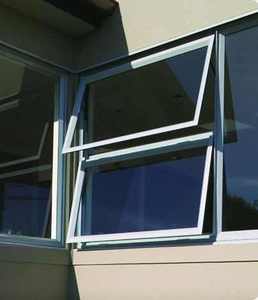
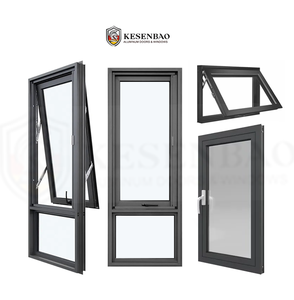
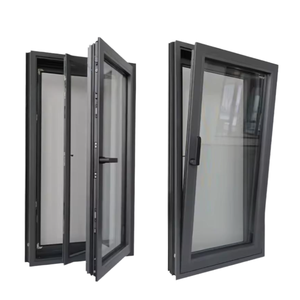
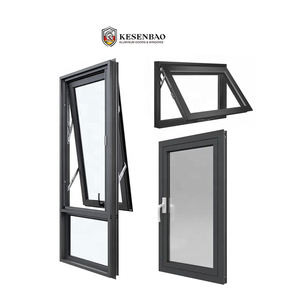
Direct factory supply of precision-engineered aluminum casement, awning, skylight, and structural glass curtain wall systems tested for global compliance (AS2047, CE, ISO9001).
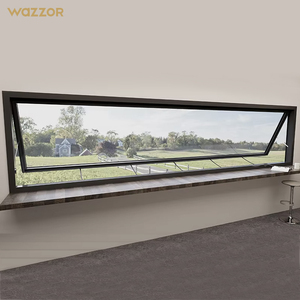
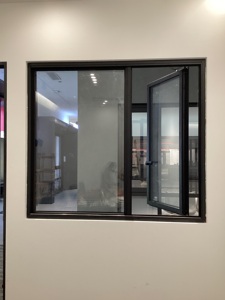
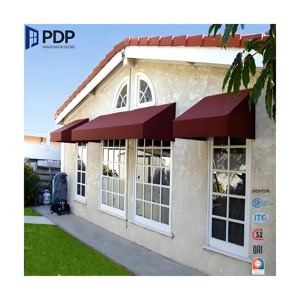
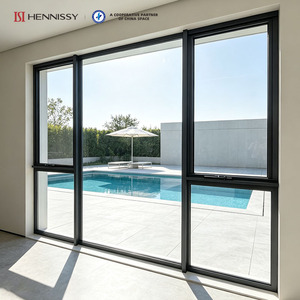
As a premier OEM/ODM manufacturer and exporter of spider glazing hardware, we deliver architectural solutions that bridge high-load structural capacity with minimalist visual aesthetics. Our heavy-duty stainless steel fittings and tension rod systems empower facade engineers worldwide.
Backed by over three decades of manufacturing experience, state-of-the-art spectrographic testing, and direct engineering accountability, we eliminate common facade failure points before production begins.
All spider arms (1-arm, 2-arm, 3-arm, 4-arm, and 90° corner spiders) are cast using silica sol investment technology, ensuring high density, zero micro-porosity, and superior yield strength under dynamic dead loads.
We utilize authentic CF8M (SS316) and CF3M (SS316L) stainless steel alloys. Every export batch undergoes Spectrometer Chemical Analysis and 1000-hour ASTM B117 Neutral Salt Spray Testing for coastal environment survivability.
Our patented swiveling glass connectors incorporate heavy-duty PTFE gaskets and high-tolerance articulating ball joints to absorb live seismic movement and wind-induced thermal expansion without stress peaks on glass drill holes.
Send us your structural elevation drawings. Our facade engineers utilize Finite Element Analysis (FEA) software to calculate load vectors, stress concentrations, and deflection coefficients, returning stamped CAD/STEP models in 48 hours.
Products meet international structural standards including Australian AS2047/AS1288, CE EN 13830 curtain wall directives, Texas Department of Insurance (TDI) hurricane standards, and NFRC thermal performance baselines.
Direct factory consolidation from Houston and overseas logistics hubs. Parts are custom-crated with shock-absorbing foam, laser-etched serial numbers, barcode mapping, and full assembly instructions for rapid site installation.
In-depth technical specification analysis for structural engineers, project managers, and procurement officers evaluating curtain wall systems.
| Performance Parameter | Point-Fixed Spider Glazing | Stick Aluminum Curtain Wall | Unitized Glass Curtain Wall |
|---|---|---|---|
| Primary Material Grade | AISI 316 / 316L Stainless Steel Investment Cast | 6063-T5 / T6 Extruded Aluminum Profiles | 6063-T6 Structural Alloy Frames |
| Structural Transparency | Ultra-High (>92% Unobstructed View) | Moderate (Visible Mullions & Transoms) | Moderate (Framed Panel Edges Visible) |
| Wind Pressure Capacity | Up to 5.0 kPa (Engineered Tension Truss) | 2.5 kPa to 3.5 kPa Standard | 3.5 kPa to 4.5 kPa High-Rise Grade |
| Seismic Displacement | Superior (±15° Ball-Joint Rotation) | Limited by Inter-Story Drift Limits | High (Gasketed Expansion Joints) |
| Glass Thickness Integration | 12mm to 39.52mm Laminated / SGP Toughened | 6mm Single to 28mm Double IGU | 24mm to 42mm Double/Triple Low-E IGU |
| Thermal Bridge Risk | Negligible (Desmodur Thermal Separation Bushings) | Requires Polyamide (PA66) Thermal Break Bar | Factory Interlocking Thermal Isolation |
| Maintenance & Glass Replacement | Individual Panel Unbolting (Fast Repair) | Requires Pressure Plate Removal | Requires Complete Unitized Panel Replacement |
Strategic intelligence for architectural hardware buyers and developers preparing for next-generation building envelopes.
Procurement demand is rapidly shifting toward point-fixed spider fittings that incorporate concealed electrical conduit routels. These specialized fittings allow BIPV dynamic glass panels to transmit solar energy back to the grid while maintaining a clean, frameless exterior facade.
Standard PVB interlayers are being replaced by SentryGlas® (SGP) ionoplast laminates in high-specification spider glazing procurement. SGP offers 5 times the tear strength and 100 times the rigidity of traditional PVB, enabling thinner glass specifications without sacrificing storm safety.
Global ESG directives now require verifiable environmental product declarations (EPDs). Future OEM contracts prioritize hardware manufactured from at least 75% post-consumer recycled stainless steel melted in electric arc furnaces (EAF) to minimize embodied carbon footprints.
Contractors no longer order hardware from static paper catalogs. Modern procurement workflows demand native Autodesk Revit parametric BIM families with embedded stress-strain matrix data, permitting real-time structural simulation inside the project's digital twin.
Discover how mechanical engineering innovations are shaping the next evolution of spider fittings and structural glass connectors.
Moving away from surface-mounted button head caps, modern high-end architectural designs demand countersunk articulation routels that sit 100% flush with the exterior glass face, eliminating water pooling and debris accumulation.
Next-generation spider glass walls utilize pre-stressed stainless steel tension cables equipped with internal hydraulic or spring-loaded compensators. These maintain constant tension during seasonal temperature swings, preventing glass sagging.
Architects are moving beyond traditional satin and mirror finishes. Physical Vapor Deposition (PVD) coating allows spider fittings to be delivered in Matte Black, Rose Gold, Champagne Brass, and Gunmetal Gray while boosting surface hardness to over 2000 HV.
Get authoritative answers to critical technical questions asked by facade contractors, structural engineers, and global importers.
Whether you require standard AISI 316 spider fittings, custom extruded aluminum casement windows, or complete engineered curtain wall components, our Houston-backed engineering team is standing by.