Certified double-glazed thermal break windows engineered for high wind-load resistance, acoustic isolation, and weatherproofing.
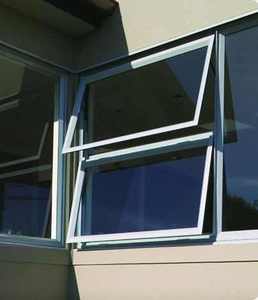
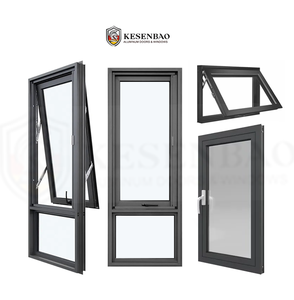
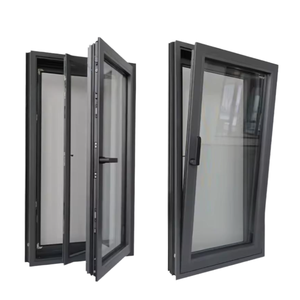
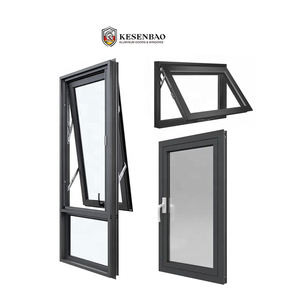
An authoritative engineering analysis evaluating metallurgical integrity, thermal efficiency (U-factors), structural wind load thresholds, and international compliance certification.
In modern architectural design, the French door system has evolved far beyond its classical aesthetic roots. Today's commercial developments, luxury residential villas, and high-rise residential envelopes demand high-performance fenestration systems capable of resisting extreme pressure differentials, minimizing radiant solar heat gain, and providing high acoustic isolation. The global supply chain for French doors and architectural glazing is anchored by advanced fabricators utilizing thermally broken 6063-T5 extruded aluminum profiles, multi-chamber uPVC vinyl, and architectural copper/steel composites.
This whitepaper provides procurement directors, general contractors, facade engineers, and architectural specifiers with an unvarnished technical assessment of the world's premier manufacturers and exporters. We evaluate each enterprise across structural performance (Design Pressure ratings), thermal insulation capabilities (NFRC / CE certified U-Factors), hardware longevity, and export consolidation capabilities.
Headquartered in Houston, Texas, Royal Windoor US operates as a integrated family-owned manufacturer, installer, and global exporter. Utilizing high-grade 6063-T5 extruded aluminum with polyamide thermal breaks and German multi-point locking hardware, Royal Windoor specializes in ultra-slim minimal sliding French doors, impact-rated hurricane glazing (TDI listed), and custom architectural window packages. Their direct-to-site export crates feature shop drawings, full structural calculations, and rapid 2–8 week lead times.
Recognized globally for facade engineering excellence, Schüco manufactures system-based aluminum French doors and sliding envelope solutions. Known for pioneering passive house-standard thermal insulation, their profile systems incorporate multi-layer gasket sealing, integrated building automation, and high structural moment-of-inertia values suited for high-rise architectural facades across Europe and North America.
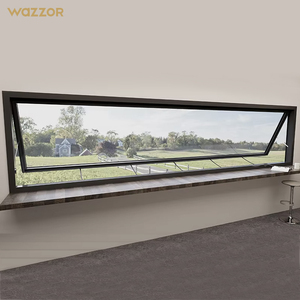
A dominant export manufacturer specializing in Australian Standard AS2047 certified building materials. Wazzor's product matrix includes gas-strut top-out awning French doors, modern vertical awnings, and slim-frame casement windows. Incorporating heavy-duty gas struts, stainless flyscreens, and fluorocarbon powder-coated finishes, Wazzor serves luxury villa developers in Australia, Southeast Asia, and North America.
Belgian engineering titan Reynaers produces sustainable, architectural aluminum door and window systems. Their French door product lines feature exceptionally narrow sightlines combined with high-load bearing hinges capable of carrying massive double and triple insulated glass units (IGUs). Their systems are widely specified in high-end European residential and commercial restoration projects.
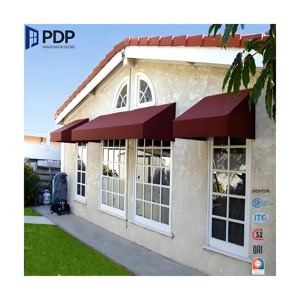
Pioneering historical and ultra-modern bespoke architecture, PDP specializes in minimalist steel, copper, and bronze-clad French awning windows and doors. Engineered for harsh exterior atmospheric conditions, PDP systems combine anti-corrosive copper/steel metallurgy with modern thermal-break cores, delivering unmatched architectural elegance for heritage conservation and ultra-luxury estates.
A premier North American manufacturer renowned for composite (Fibrex®) and wood-clad French patio doors. Andersen provides vast retail distribution networks and builder-grade window options across North America. Their high-end series feature pre-finished interior woods bonded with weather-resistant exterior vinyl or aluminum cladding.
Specializing in multi-functional fenestration, TOMA manufactures AS2047 waterproof awning windows, skylight systems, integrated electric rolling blinds, and high-impact aluminum French doors. TOMA’s factory lines emphasize intelligent motorization, motorized skylights, and weatherproofing engineered for tropical storm zones.
YKK AP delivers Japanese industrial precision across commercial curtain walls and residential French entrance systems. Focusing on rigorous hurricane impact testing, air-tightness, and acoustic insulation, YKK AP supplies large-scale commercial developments and multi-family residential towers globally.
Built upon custom craftsmanship, Marvin is celebrated for made-to-order wood and pultruded fiberglass French door systems. Designed for extreme climate variations across Northern USA and Canada, Marvin systems excel in low U-factor performance and traditional design aesthetics.
Operating extensive production facilities across North America and Europe, JELD-WEN manufactures high-volume vinyl, wood, and aluminum-clad French doors. Their export operations focus on standardized architectural opening sizes, offering cost-effective supply solutions for volume homebuilders.
Direct comparison of primary frame materials utilized in modern French door manufacturing.
| Performance Metric | Thermally Broken 6063-T5 Aluminum | Architectural Copper / Steel Composite | Multi-Chamber uPVC Vinyl |
|---|---|---|---|
| Structural Load Capability | Extreme (Ideal for high-rise & oversized panels) | Ultra-High (Bespoke structural spans) | Moderate (Best for standard residential openings) |
| Thermal Insulation (U-Factor Range) | 0.24 – 0.32 BTU/h·ft²·°F (PA66-GF25 break) | 0.28 – 0.36 BTU/h·ft²·°F | 0.20 – 0.28 BTU/h·ft²·°F |
| Frame Sightline Minimalization | Ultra-Slim (20mm – 35mm meeting stiles) | Ultra-Slim (Industrial steel profile) | Thicker Frame Profile (Wide stiles) |
| Coastal Corrosion Resistance | High (AAMA 2604/2605 Powder Coating) | Patinated Natural Protection | Immune to Salt Air Corrosion |
| Impact / Hurricane Rating | TDI & Florida Product Approved Laminated | Custom Bulletproof / Impact Available | Available with Steel Reinforcement Channels |
| Design Life Expectancy | 40+ Years | 75+ Years | 25–30 Years |
As international energy codes (IECC 2024/2027) tighten global performance thresholds, procurement managers must adapt to several technological shifts impacting French door manufacturing:
Monolithic metal frames are obsolete in modern green building design. Advanced fabricators now utilize PA66-GF25 (Polyamide 66 reinforced with 25% glass fiber) structural struts. This material matches the thermal expansion coefficient of aluminum while interrupting conductive heat transfer, completely eliminating interior frame sweating and condensation in humid environments.
Urban infill projects demand Sound Transmission Class (STC) ratings exceeding STC 40. By pairing asymmetric glass thickness (e.g., 6mm exterior + 20A warm-edge gas-filled spacer + 6.38mm PVB laminated interior), modern French doors effectively suppress low-frequency urban traffic noise while providing storm resistance.
Architects are moving away from bulky surface-mounted hinges. Next-generation French awning and casement doors integrate German multi-point gearboxes, heavy-duty stainless steel gas struts, and fully concealed hinges capable of supporting sash weights up to 300 kg without sagging.
Global supply chains prioritize factory-glazed, fully assembled units shipped in ISPM-15 compliant fumigated wooden crates. Single-source manufacturing ensures frame extrusion, glass tempering, and hardware calibration land under a unified factory warranty.
Detailed technical answers addressing engineering compliance, thermal efficiency, logistics, and material selection.
Submit your architectural opening schedules, CAD drawings, or project specifications. Our structural and export engineering team will issue shop drawings, structural wind load calculations, and competitive FOB/CIF quotation breakdowns.