Certified engineering solutions compliant with AS2047, CE, and NFRC standards for international commercial and residential projects.
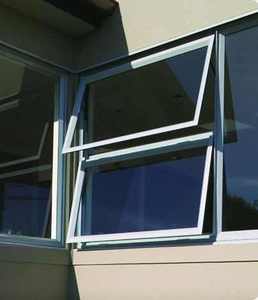
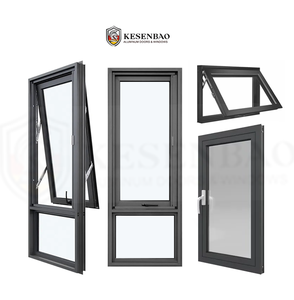
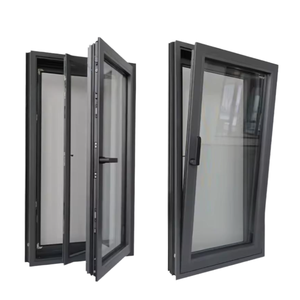
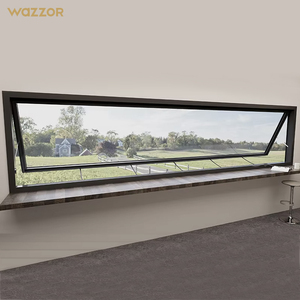
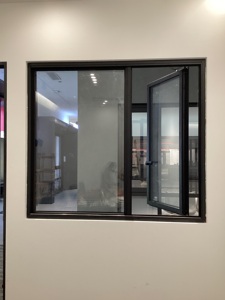
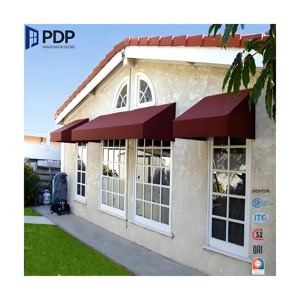
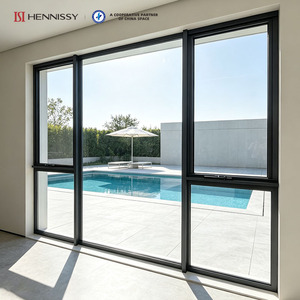
Evaluating structural integrity, thermal bridges, and supply chain logistics in high-performance envelope design.
"In modern high-rise and luxury residential construction, the building envelope represents up to 20% of total capital expenditure. Selecting an qualified supplier requires moving past aesthetic rendered images into empirical structural metrics, structural silicone warranties, thermal bridge insulation ratios, and regional compliance standards."
The global architectural glass facade market is experiencing a profound technological shift driven by modern energy codes, extreme weather events, and structural transparency demands. Commercial real estate developers, facade consultants, and general contractors no longer view glass facades merely as passive cladding; they are active thermal, acoustic, and dynamic structural systems. When sourcing from international exporters, architectural teams must meticulously analyze alloy purities, glass tempering stress distribution, double and triple insulated glass unit (IGU) seal integrity, and hardware durability under high wind-load cycles.
Thermal bridging remains the primary cause of envelope energy loss and internal surface condensation in humid climates. Advanced engineering requires specifying 6063-T5 structural aluminum extrusions integrated with high-performance polyamide (PA66GF25) thermal breaks. By separating the interior and exterior aluminum profiles with a reinforced structural insulator, thermal transfer coefficients (U-factors) are drastically reduced, enabling compliance with strict environmental building codes such as LEED, BREEAM, and Australian NCC requirements.
| Performance Metric | Standard Commercial Facade | High-Performance Thermally Broken | Royal Windoor Export Grade |
|---|---|---|---|
| Frame Material | Recycled Standard Aluminum | Primary 6063-T5 Aluminum | 6063-T5 Virgin Extrusion Alloy |
| Thermal Barrier | None / PVC Strips | 14.8mm Polyamide (PA66) | 24mm-34mm Technoform Polyamide |
| Glazing Configuration | Single / Basic Double 6A | Double 12A Low-E Argon | Triple 20A Low-E + Acoustic Laminate |
| Wind Pressure Resistance | 1.5 kPa – 2.5 kPa | 3.0 kPa – 4.5 kPa | Up to 9.0 kPa (TDI Hurricane Rated) |
| Hardware Integration | Domestic Friction Hinges | Standard European Hardware | German Multi-Point Locks & SS Rollers |
How international procurement directors evaluate technical capabilities, factory certifications, and export dependability across global manufacturers.
Top-tier exporters utilize prime 6063-T5 aluminum ingots rather than scrap-blended billet. High tensile strength, smooth surface finish for anodizing, and precise wall thickness tolerances ensure structural curtain walls withstand seismic and wind loads without deflection failures.
Leading manufacturers feature in-house tempering, lamination, and automated IGU lines. Utilizing triple-silver Low-E soft coatings maximizes visible light transmittance (VLT) while blocking up to 82% of solar heat gain (SHGC), essential for tropical and desert climates.
Global suppliers must hold verified international testing certifications: Australian AS2047 / AS1288, North American NFRC and TDI (Texas Dept of Insurance) Hurricane Impact ratings, European CE marks, and ISO9001 quality management audits.
Premier exporters do not just ship stock units; they supply detailed CAD/BIM shop drawings, structural wind-load calculation reports, thermal simulation modeling, and custom extrusion dies tailored to complex architectural geometry.
International logistics require specialized heavy-duty fully enclosed wooden crating, corner edge protectors, moisture desiccant packs, and containerization staging to guarantee 0% glass breakage upon arrival at overseas ports.
Eliminating split liability between the frame manufacturer, glass fabricator, and hardware supplier. Top exporters provide comprehensive multi-year written warranties covering frame coatings, IGU seal integrity, and hardware mechanical function.
Anticipating material innovations, carbon-neutral mandates, and smart building integration in the next decade of facade construction.
As global building codes move toward zero-net energy (ZNE) and embodied carbon caps, structural glass facade suppliers are introducing revolutionary technologies that alter procurement specifications:
A family-owned manufacturing legacy built on engineering discipline, precision machinery, and single-source accountability.
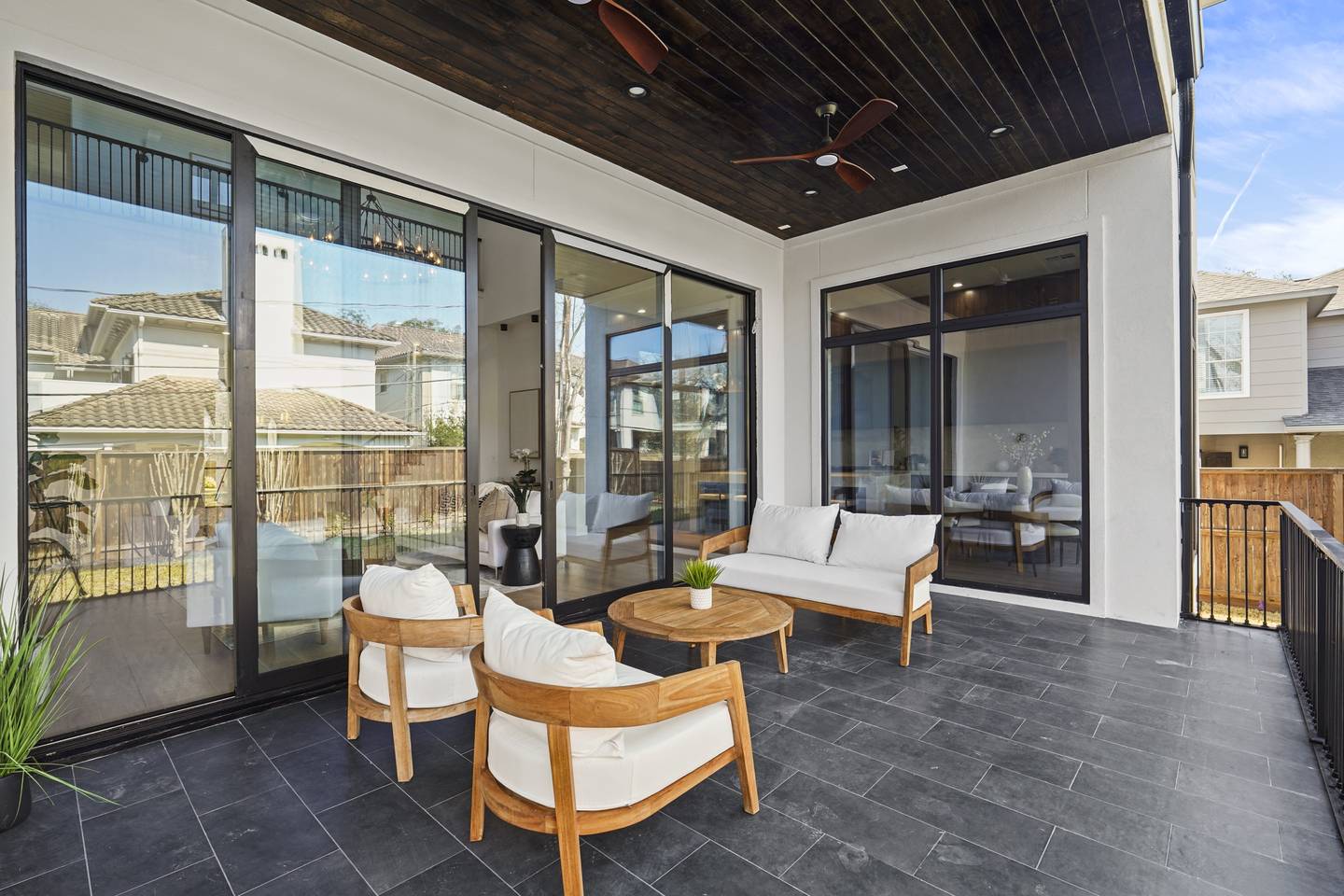
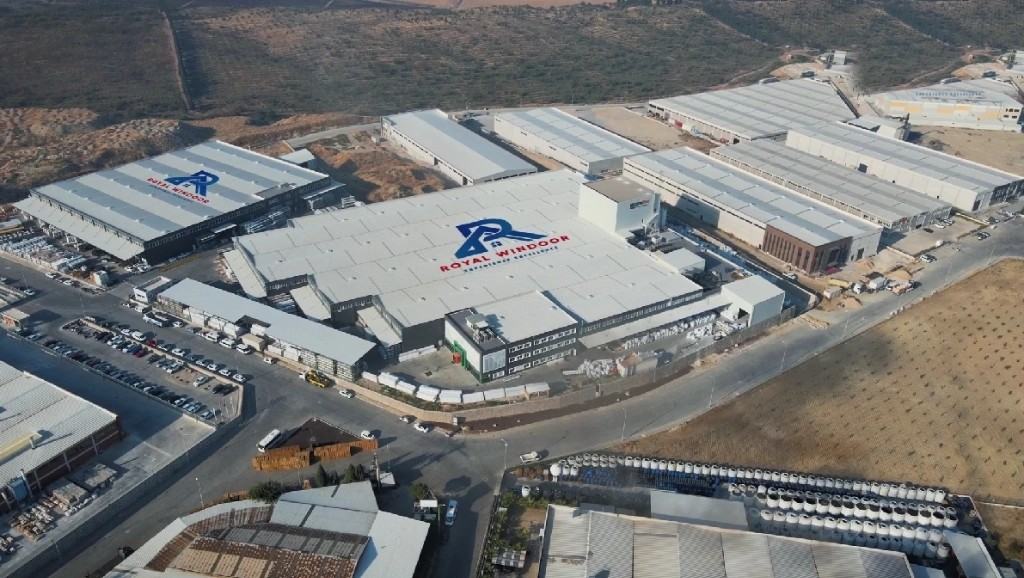
Headquartered in Houston, Texas, Royal Windoor US bridges the gap between high-end custom engineering and direct factory pricing. Operated by a family of builders and mechanics with over three decades of hands-on expertise, our production facility manufactures premium thermally broken aluminum windows, minimal sliding doors, hurricane-rated glazing, and architectural curtain walls.
Addressing critical engineering, thermal performance, and international supply chain questions.
Our architectural glass facade systems utilize primary 6063-T5 extruded aluminum alloys. The thermal barrier is constructed using imported polyamide strips (PA66GF25 reinforced with 25% fiberglass), mechanically crimped into the inner and outer aluminum chambers. This prevents thermal bridging, controls condensation, and maintains structural integrity during extreme thermal expansion and contraction cycles.
Export shipments undergo standardized protective packaging protocols. Factory-glazed units are encased in customized, fumigated wooden crates with interior high-density foam padding, corner protectors, and vacuum-sealed desiccant packs. Crates are loaded via overhead cranes into 20ft or 40ft HQ containers with steel cable bracing to withstand marine transport shock.
Yes. We engineer dedicated Impact-Rated facade and window systems compliant with Florida Building Code (FBC) and Texas Department of Insurance (TDI) standards. These feature heavy-gauge aluminum profiles paired with multi-layer laminated safety glass (using PVB or SentryGlas interlayers) capable of resisting ASTM E1996 Large Missile Impacts and cyclic wind pressure testing exceeding 9.0 kPa.
Standard vinyl window lines average 2 to 4 weeks production lead time. Custom thermally broken aluminum windows, minimal sliding glass doors, and structural curtain wall systems typically require 4 to 8 weeks, depending on extrusion die customization, specialized powder-coat finishes, and glass laminate build-ups. Accelerated production schedules are available for commercial construction phases.
Thermally broken aluminum is mandatory for projects requiring ultra-slim sightlines, oversized glass panel spans, structural curtain walls, or custom dual-color powder-coat finishes. Multi-chamber uPVC vinyl provides high thermal insulation performance per dollar for standard punched openings, making it ideal for multi-family residential projects where budget optimization is paramount.
Every product supplied carries a direct written manufacturer warranty covering frame extrusions, powder-coat finishes, hardware mechanics, and insulated glass unit seals. When installation is conducted by our authorized crews, both manufacturing and installation warranties fall under a single accountable company, eliminating vendor hand-off liability disputes.
Submit your architectural elevation drawings or project schedules. Our engineering team will deliver shop drawings, structural performance analysis, and direct factory pricing within 48 hours.
Royal Windoor US | 7248 Wynnpark Dr, Houston, TX 77008 | Direct Engineering Hotline: (832) 681-9190