Factory-direct thermally broken aluminum, uPVC vinyl, and impact-rated triple glazing systems built to AS2047, CE, and NFRC international standards.
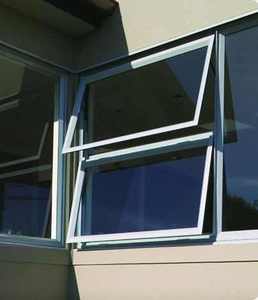
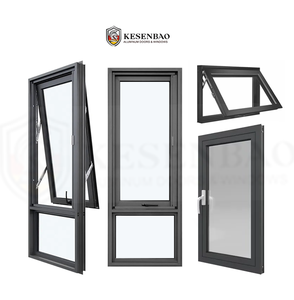
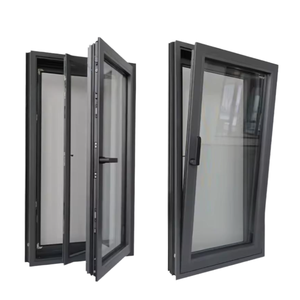
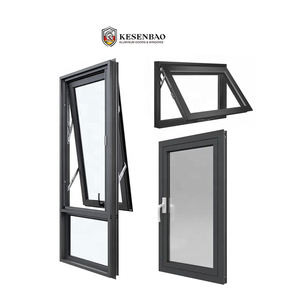
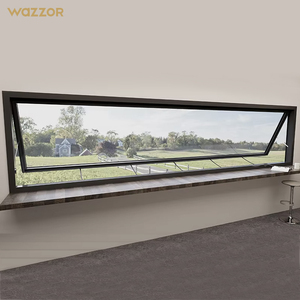
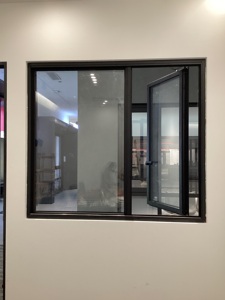
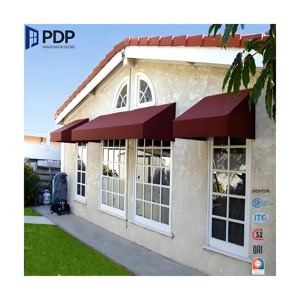
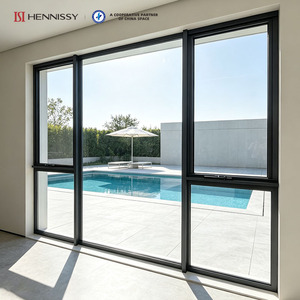
An authoritative breakdown for real estate developers, facade engineers, architects, and volume procurement directors navigating global window suppliers.
Global building energy mandates, such as Europe’s EPBD, North America’s NFRC 2026 update, and Australia’s NCC 2022 climate zone specifications, have transformed triple glazing from a niche architectural luxury into a standard requirement for decarbonized buildings.
Standard double-glazed IGUs (Insulated Glass Units) capped at U-values of 1.2 to 1.6 W/m²K no longer meet strict net-zero requirements. High-specification triple-glazed units—incorporating two Low-E magnetron sputtering coatings, 95% argon gas insulation cavity spaces, and warm-edge flexible composite spacers—achieve overall system U-values (Uw ≤ 0.75 W/m²K), cutting annual HVAC thermal loading by up to 65%.
Commercial buyers often evaluate initial purchase costs without considering total structural frame weight and mechanical stress. Incorporating a third glass pane adds 10 kg/m² of mass, which demands precise structural engineering in aluminum profile extrusion alloys.
A comparative structural evaluation guide for B2B procurement managers assessing tier-1 international window manufacturers.
| Evaluation Criteria | Tier-1 Factory Standard (e.g., Royal Windoor / TOMA) | Mid-Tier Regional Assemblers | Standard Low-Cost Exporters |
|---|---|---|---|
| Extrusion Alloy | Primary 6063-T5 Virgin Aluminum Alloy (1.8mm–3.0mm wall thickness) | Secondary Recycled 6063 Aluminum (1.4mm wall thickness) | Non-standard mixed scrap aluminum alloy (<1.4mm wall) |
| Thermal Barrier Tech | Polyamide PA66GF25 multi-cavity insulation strips bonded into frame | Basic PVC structural thermal strips | Non-insulated monolithic frames or basic resin pour |
| Glass Processing | Automated CNC cutting, TPS warm-edge spacer, double Low-E, 95% Argon fill | Manual aluminum spacer, single Low-E, ambient air fill | Uncoated clear glass, cold butyl sealant manual assembly |
| Hardware Integration | German Siegenia, Roto, or custom heavy-duty multi-point stainless locks | Domestic brand multi-point zinc alloy locks | Single-point latch or unbranded zinc hardware |
| Structural Certifications | AS2047, NFRC, CE, TDI Hurricane Impact, ISO9001 certified | Local regional laboratory test report only | No third-party verified test certificates |
| Surface Finish & Warranty | AkzoNobel / PPG Fluorocarbon Powder Coating (20–30 Year Warranty) | Standard polyester powder coating (5–10 Year Warranty) | Basic liquid paint or untreated anodized finish |
Combining 30 years of engineering expertise with factory-direct control to supply precision-engineered fenestration solutions globally.
Unlike sourcing desks that outsource frame assembly, our automated production lines extrude high-grade 6063-T5 aluminum profiles in-house. Thermal polyamide breaks are mechanically knurled and crimped into profile slots under strict torque monitoring to eliminate micro-slippage under extreme wind loading.
For coastal developments and high-rise projects facing extreme weather, we manufacture TDI-listed impact-rated systems. Triple glazing configurations combine tempered glass outer leaves with structural PVB or SentryGlas® inner laminates, passing rigorous cyclic water, air pressure, and missile impact testing.
We streamline international sourcing for dealers, glaziers, and developers. Every unit is pre-glazed, factory-tested, assigned shop drawings, and packaged in protective wooden crates to ensure safe container transport and faster on-site assembly.
Key technological developments transforming structural glass specifications over the next decade.
While traditional triple glazing utilizes 16A argon gas gaps, next-generation hybrid systems combine a 0.3mm micro-vacuum core with an outer Low-E gas cavity. This hybrid configuration achieves an ultra-thin 24mm overall profile width while lowering the thermal U-value to an incredible 0.4 W/m²K, making it ideal for slim-profile modern architectural facades.
Commercial facades are increasingly integrating dynamic tinting glass into the outer leaf of triple-glazed units. Electronically controlled tinting dynamically alters the Solar Heat Gain Coefficient (SHGC from 0.40 down to 0.05) based on solar intensity, while Building-Integrated Photovoltaic (BIPV) spandrel glass actively generates renewable solar energy.
ESG compliance requires architectural suppliers to verify their carbon footprint. Leading factories are shifting to aluminum extrusions smelted using renewable hydroelectric energy, reducing embedded carbon from the global average of 16.5 kg CO²/kg Al down to under 4.0 kg CO²/kg Al.
Driven by commercial smart building networks (BACnet/KNX), modern triple-glazed awning and skylight systems feature integrated concealed actuators. These systems automatically adjust based on indoor air quality, rainwater sensors, and automated HVAC load-balancing signals.
Direct responses to common technical, shipping, and architectural engineering questions.
Submit your architectural drawings, window schedules, or custom specifications. Our engineering team will deliver a comprehensive project quote, shop drawings, and U-value calculation report within 24 to 48 hours.