Explore our flagship structural safety glass products manufactured under ISO 9001, SGCC (North America), CE EN14449 (Europe), and AS/NZS 2208 standards.
As modern architectural design trends push toward expansive, frameless structural glazing, floor-to-ceiling curtain walls, and hurricane-resilient building envelopes, selecting a premier China laminated glass supplier and exporter has become a vital strategic procurement decision for commercial developers, facade contractors, and structural engineering firms globally.
China accounts for over 60% of the world's high-grade float glass and converted processed safety glass manufacturing. However, true architectural excellence requires far more than basic production capacity. It demands deep material science expertise in polyvinyl butyral (PVB) and SentryGlas® Ionoplast (SGP) polymer interlayers, automated cleanroom lamination, precise autoclave temperature-pressure thermal cycle controls, and seamless structural integration with thermally broken 6063-T5 aluminum framing systems.
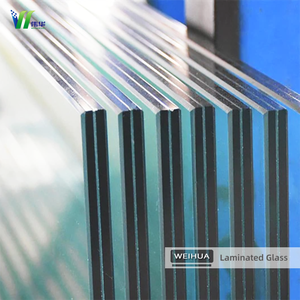
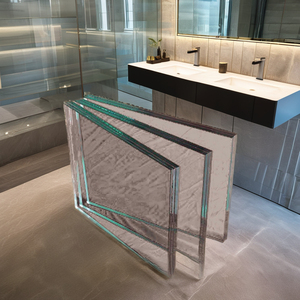
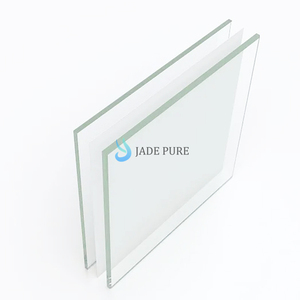
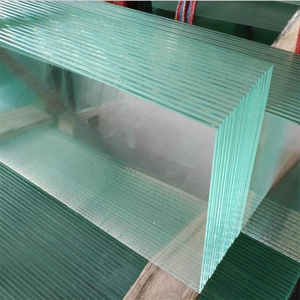
Laminated safety glass consists of two or more panes of glass permanently bonded together under high heat (up to 145°C) and pressure (12 to 14 bar) inside an autoclave. The fundamental advantage of laminated glass over monolithic tempered glass is its post-breakage safety behavior.
When subjected to high-energy impact, seismic activity, or thermal stress breakage, the fractured glass fragments remain firmly adhered to the elastic polymer interlayer, keeping the building envelope sealed against wind and water penetration while preventing dangerous falling glass shards.
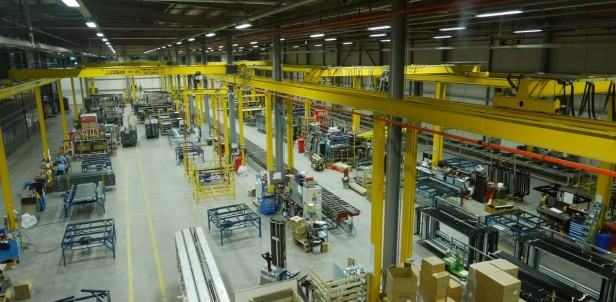
Our fully integrated manufacturing ecosystem combines glass processing, custom interlayer selection, precision CNC machining, and rigorous structural testing under one roof.
Interlayer positioning and glass assembly occur in humidity-controlled cleanrooms (RH 20-25%, Temp 18-22°C) to prevent bubble formation, dust inclusions, and long-term edge delamination.
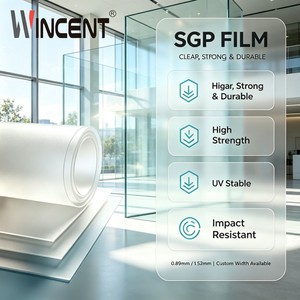
Certified processors of Kuraray SentryGlas® (SGP). SGP offers 5 times the tear strength and 100 times the rigidity of standard PVB, essential for open-edge balustrades and overhead canopy glazing.
Every export shipment is fully documented with SGCC ANSI Z97.1, CE EN 14449, AS/NZS 2208, and ISO 9001 quality certificates, guaranteeing seamless customs clearance and building inspector sign-off.
A primary failure point in overseas glass procurement stems from choosing the wrong interlayer specification for structural applications. As an authoritative exporter, we educate specifiers on the mechanical and optical differences between Polyvinyl Butyral (PVB) and SentryGlas® Ionoplast (SGP).
| Performance Parameter | Standard PVB Interlayer | Structural SGP (Ionoplast) | Engineering Impact / Benefit |
|---|---|---|---|
| Young’s Modulus (Room Temp) | ~0.4 - 0.6 MPa | ~300 - 400 MPa | SGP provides 100x stiffness; prevents post-breakage collapse. |
| Tear Strength (Resistance) | 36 MJ/m³ | 160 MJ/m³ | SGP offers 5x higher tear strength under hurricane blast forces. |
| Open Edge Weathering | Susceptible to moisture ingress & yellowing | Impervious to moisture & edge delamination | SGP eliminates framed border requirement on balustrades. |
| Yellowness Index (YI) | YI < 1.5 (Slight warming tone) | YI < 0.5 (Ultra-crystal clear) | SGP matches low-iron glass for optical clarity without green tint. |
| Post-Breakage Load Bearing | Fails under self-weight when broken | Maintains structural barrier even if both panes break | Mandatory for glass floors, fins, skylights & high-rise railings. |
| Recommended Applications | Windows, Doors, Standard Curtain Walls | Structural Fins, Balustrades, Hurricane Impact | Optimizes cost-to-performance ratio across project schedule. |
*Data compiled from Kuraray material testing laboratories and ISO 12543 architectural glass standards.
Global architectural requirements are shifting rapidly toward sustainability, thermal efficiency, and smart functionality. Staying ahead of these technical trends ensures long-term asset value.
International green building mandates (LEED v4.1, BREEAM) are driving demand for low-embodied-carbon glass. Chinese manufacturers are increasingly deploying electric-assisted melting furnaces and recycled cullet, lowering CO2 footprint per square meter by up to 35%.
To comply with stringent Net-Zero building energy codes, procurement is migrating from double IGU to triple-glazed configurations combining Low-E coatings with argon-filled laminated chambers, achieving U-values as low as 0.6 W/m²K.
Switchable Polymer Dispersed Liquid Crystal (PDLC) privacy glass laminated directly between two panes is transitioning from luxury hospitality into mainstream commercial offices and medical facilities, replacing traditional blinds with instant digital privacy control.
Ordering glass in isolation often leads to job-site installation friction. As a specialized manufacturer operating comprehensive glass and aluminum extrusion capabilities, we engineer complete facade assemblies.
Our premium laminated glass panels are custom-tailored to mate seamlessly into 6063-T5 extruded aluminum frames featuring structural polyamide thermal breaks. This integrated approach ensures matched expansion coefficients, precise EPDM gasket pressure fits, and zero risk of glass edge pinch stress during building settlement.
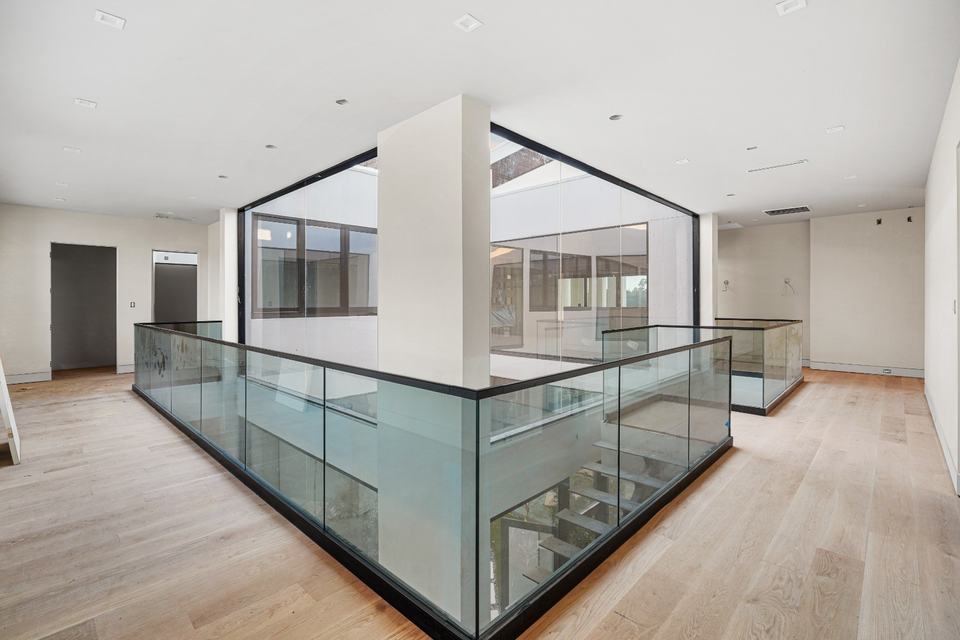
To ensure 100% damage-free delivery across ocean freight shipments, every batch undergoes a strict quality control matrix prior to crating.
Only top-grade PPG, Jinjing, or Xinyi float glass sheets are selected, ensuring ultra-flat surfaces free from bubbles, seeds, or inclusions.
Computer-controlled double-edger machines polish glass edges with high precision, removing micro-cracks that could initiate thermal stress fractures.
All tempered laminated components undergo optional Heat Soak Testing (EN 14179) inside dedicated ovens to eliminate nickel sulfide (NiS) inclusions and prevent spontaneous explosion.
Computer-monitored autoclave cycles ensure complete de-airing and molecular bonding between glass and PVB/SGP interlayers.
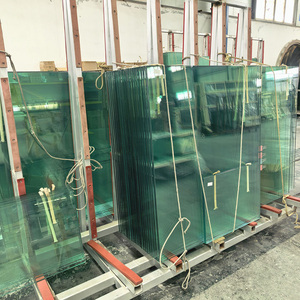
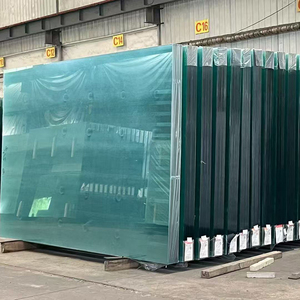
Packed in customized, fully enclosed wooden crates with desiccant packs, plastic film vacuum wrapping, and corner protectors built for container shipping.
Full Container Load (FCL) consolidation, open-top container loading for oversized units, and complete marine insurance coverage to your final destination port.
Got technical questions regarding tolerances, minimum order quantities, or export certifications? Here are clear answers from our engineering team.
Our architectural laminated safety glass is fully certified under SGCC (Safety Glazing Certification Council) according to ANSI Z97.1-2015 and CPSC 16 CFR 1201 standards for North America. For European markets, our glass holds full CE Certification compliant with EN 14449 (Laminated Safety Glass) and EN 12150 (Tempered Glass). All test reports are issued by independent accredited laboratories and supplied with every commercial shipping manifest.
Delamination is caused by moisture ingress reacting with standard PVB interlayers along unsealed glass edges. For high-humidity coastal zones, open-edge balustrades, or swimming pool surrounds, we mandate the use of SGP (SentryGlas® Ionoplast) or specialized hydrophobically modified outdoor-grade PVB. Furthermore, all glass edges are CNC polished to an absolute Ra finish to remove micro-voids prior to cleanroom lamination.
Standard clear or low-iron PVB laminated glass orders typically ship in 2 to 3 weeks from shop drawing approval. Complex fabrications—such as custom-curved glass, heavy-thickness multi-layer SGP bullet-resistant laminates, or units requiring Heat Soak Testing (HST)—generally require 3 to 4 weeks. Accelerated production schedules are available for urgent commercial project deadlines.
Yes. We regularly fabricate high-performance solar control laminated glass by placing soft-coat Low-E (Single, Double, or Triple Silver) on Surface #2 or Surface #3 of the assembly. Our automated glass cutting line features edge-deletion technology that strips 10-15mm of the Low-E coating along the perimeter, ensuring the polymer interlayer bonds directly to bare glass to prevent long-term edge oxidation.
We utilize export-grade, fumigated solid wooden end-cap crates or A-frame steel racks specifically engineered for ocean transport. Each glass sheet is separated by mildew-resistant cork pads or protective powder. Crates are tightly secured inside the container using heavy-duty polyester strapping and steel wire turnbuckles to prevent movement during sea transit.
Absolutely. We encourage technical qualification. Custom sample cut-offs (e.g., 300mm x 300mm) showing exact glass tint, edge polishing quality, and interlayer thickness (PVB/SGP) can be prepared and dispatched via DHL/FedEx air freight within 3 to 5 business days.
Send us your project drawings, opening schedules, or tender bill of quantities. Our senior structural glass engineers will evaluate wind loads, thermal stresses, and acoustic targets to provide factory-direct pricing within 24 hours.