Factory-direct export solutions featuring integrated PDLC switchable privacy lamination, premium 6063-T5 aluminum extrusions, and AS2047/CE structural compliance.
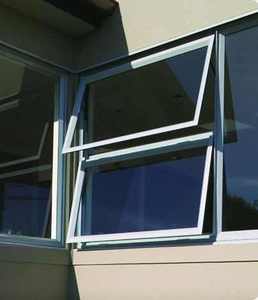
Engineered with dual-tempered low-E glazing and integrated motorized PDLC dynamic shade control for high-exposure rooftop fenestrations.
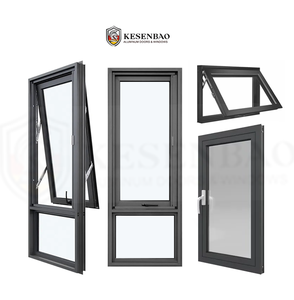
Multi-chamber thermal barrier construction with STC 42dB acoustic damping and optional switchable privacy film for luxury master suites.
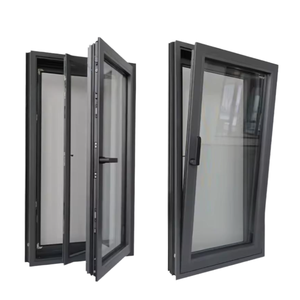
Ultra-low thermal transmittance window unit engineered with a 24mm polyamide break and high-clarity switchable privacy lamination.
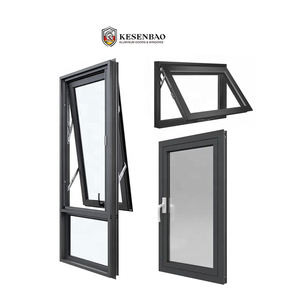
Extreme wind-load rated fenestration tested to 4500Pa structural capacity, certified for high-end coastal villas and resort developments.
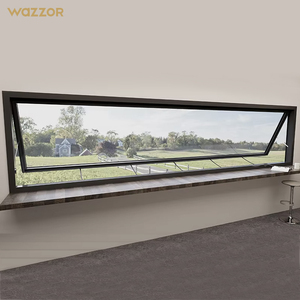
Heavy-duty counter pass-through awning window utilizing pneumatic gas struts and smart privacy glass for seamless indoor-outdoor hosting.
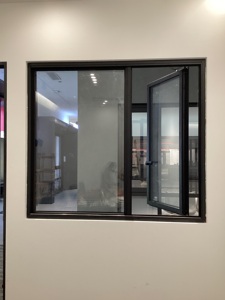
Minimalist sightline framing paired with an expansive 20mm argon gas cavity for superior solar heat gain coefficient (SHGC) control.
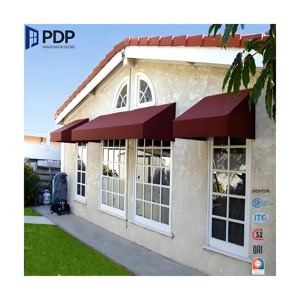
Architectural copper-steel composite frames housing switchable liquid crystal lamination, combining classic aesthetics with micro-electronic control.
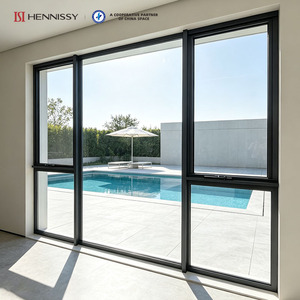
Precision counterbalanced vertical awning framework designed for high-density urban residential facades requiring privacy on demand.
How China's leading privacy glass exporter merges polymer chemical engineering with structural aluminum extrusion to set international glazing benchmarks.
Unlike standard commercial extrusions, our structural window envelopes utilize high-density 6063-T5 aluminum alloy, heat-treated to achieve optimal tensile yield strength exceeding 110 MPa. To solve the inherent thermal conductivity of metallic frames, we integrate structural polyamide (PA66GF25 with 25% glass fiber reinforcement) thermal breaks. This mechanical barrier prevents thermal bridging, ensuring interior surface temperatures remain stable during extreme freeze-thaw cycles or desert solar loading.
By controlling both extrusion and anodizing/powder-coating processes in-house, our production facility maintains strict dimensional tolerances within ±0.15mm, providing an airtight, water-tight seal when integrated with multi-point German driving gear systems.
Our switchable privacy glass units operate via high-precision Polymer-Dispersed Liquid Crystal (PDLC) technology sandwiched between two sheets of optical-grade float glass. In the unpowered (OFF) state, randomly oriented liquid crystal droplets scatter incoming light, turning the panel completely opaque within 10 milliseconds. When an electrical AC voltage (typically 48V–60V) is applied across the Indium Tin Oxide (ITO) conductive film layers, the liquid crystals align parallel to the electrical field, achieving up to 88% visible light transmittance (VLT).
Our automated cleanroom autoclave lamination lines deploy high-performance Ethylene Vinyl Acetate (EVA) and Polyvinyl Butyral (PVB) interlayers. This guarantees zero delamination, zero yellowing under continuous UV radiation, and extended operating lifespans surpassing 80,000 continuous switching hours.
Factory Insight on Quality Control: Why do third-party smart glass laminations often fail after 2 years? Delamination occurs primarily at the electrical edge connections (busbars) due to moisture ingress. Our factory vacuum-seals every busbar junction with military-grade IP67 silicone encapsulation and incorporates desiccated aluminum spacers inside double/triple glazed insulated glass units (IGUs) to completely eliminate internal humidity.
Objective engineering metrics comparing conventional architectural glazing against our thermally broken smart privacy glass systems.
| Glazing Architecture | U-Factor (W/m²·K) | SHGC Range | Acoustic Rating (STC) | UV Rejection (%) | Switching Speed |
|---|---|---|---|---|---|
| Monolithic Clear Float (6mm) | 5.7 | 0.82 | 28 dB | 25% | N/A (Static) |
| Standard Double Low-E (6+12A+6) | 1.8 | 0.40 | 35 dB | 72% | N/A (Static) |
| Thermally Broken 24mm PA66 + Double IGU | 1.4 | 0.32 | 38 dB | 85% | N/A (Static) |
| Smart PDLC Thermally Broken IGU (Our Spec) | 1.1 – 1.3 | 0.22 – 0.35 | 42 – 45 dB | 99.5% | < 10 ms |
| Electrochromic (EC) Solar Control IGU | 1.0 – 1.2 | 0.09 – 0.28 | 40 – 43 dB | 99.9% | 3 – 5 mins (Gradual) |
Strategic forecaster insights for real estate developers, commercial architects, and global building material importers (2025–2030 Horizon).
The global architectural sector is rapidly moving away from isolated wall switches toward fully integrated smart home and commercial BMS interoperability. Modern smart glass installations are now required to interface with Modbus, KNX, Zigbee, and BACnet protocols. This allows automated tinting based on real-time outdoor lux sensors, solar angle, and HVAC cooling loads—directly reducing building energy consumption by up to 20% in high-rise commercial towers.
As global building codes enforce near-zero energy building (NZEB) standards, traditional double-glazed smart windows are being upgraded to hybrid Vacuum Insulated Glass (VIG) systems. By combining a 0.3mm vacuum micro-cavity with PDLC smart lamination, manufacturers can achieve U-factors as low as 0.60 W/m²·K in profile thicknesses under 20mm, revolutionizing ultra-slim architectural curtain walls.
Major procurement groups in Europe, North America, and Australia now audit the carbon footprint of structural fenestration. Leading Chinese exporters are migrating toward hydro-powered low-carbon aluminum billets and incorporating 30% to 50% post-consumer recycled aluminum alloy. This allows compliance with LEED v4.1, BREEAM, and global carbon border adjustment mechanisms (CBAM).
While PDLC dominates interior privacy partitions and residential bedroom windows due to instant opacity, Electrochromic (EC) technology is establishing dominance in exterior skylights and commercial curtain walls. Procurement directors must weigh the trade-offs: PDLC offers instant privacy on demand, while EC glass continuously modulates solar heat gain without blocking clear exterior views.
Critical technical solutions to standard challenges encountered by international buyers, glaziers, and project engineers.