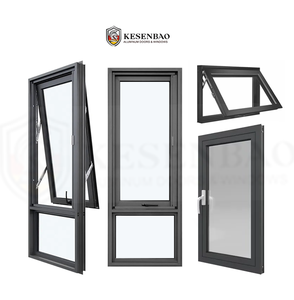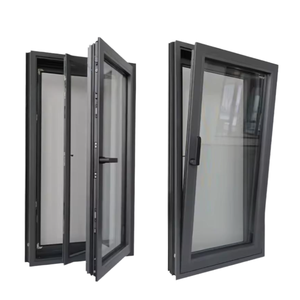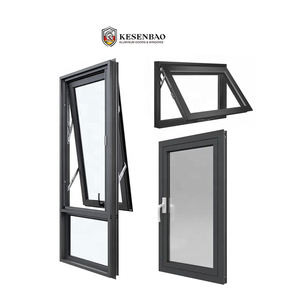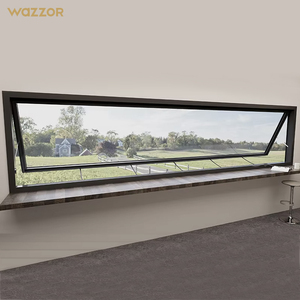
High-performance aluminium fenestration systems engineered for extreme structural wind loads, low thermal transmittance, and seamless indoor-outdoor transitions.
Analysis of supply chain shifts, regulatory decarbonization mandates, and high-performance architectural specifications governing global fenestration trade.
Global developers are moving away from regional generic profiles toward unified international benchmarks. Modern sliding window exporters in China must comply with Australian AS2047, North American NFRC/AAMA, and European CE standards. Overseas buyers now demand verifiable lab test protocols for ultimate limit state (ULS) pressure, water penetration resistance (typically 450Pa–700Pa), and operational force testing.
Driven by net-zero building energy codes worldwide, monolithic aluminum sliding doors are being rapidly phased out. Sourcing trends show a 340% increase in demand for Polyamide PA66GF25 thermal barrier extrusions. Chinese manufacturers are deploying multi-chambered thermal breaks filled with aerogel or polyurethane foam, bringing system U-factors down below 1.2 W/m²K even on oversized sliding panels.
Shipping large-format glass panels without breakdown or optical damage has transformed exporter logistics. Leading manufacturers now provide steel-framed, A-frame crate consolidation. Pre-glazed units are shipped ready for tilt-up installation, minimizing costly on-site labor and eliminating field glazing errors in destination markets such as Australia, North America, and the Middle East.
In-depth technical analysis of profile metallurgy, hardware kinematics, and glass unit thermal performance parameters.
The foundation of premium Chinese sliding window engineering lies in structural aluminum alloy selection. Precision manufacturers utilize 6063-T5 aluminum extrusions with wall thicknesses ranging from 1.4mm for standard residential windows to 2.0mm–3.0mm for heavy-duty commercial sliding doors and extreme wind-load elevations. T5 artificial aging achieves an optimal balance of tensile strength (minimum 160 MPa) and elasticity, allowing the profile to flex slightly under high typhoon loads without permanent structural deformation.
Modern architectural specifications dictate high solar control combined with superior sound reduction (STC). Exporters are utilizing multi-cavity insulated glass units (IGUs) such as 6mm Low-E Toughened + 20A Argon Spacer + 6mm Clear Toughened or acoustic laminated build-ups utilizing PVB/SGP interlayers. SGP (SentryGlas® Plus) ionoplast interlayers are 5 times stiffer and up to 10 times stronger than standard PVB, enabling structural glass railings and impact-rated hurricane sliding doors to remain standing even if both glass panes are fractured.
The operational feel of heavy sliding glass doors—often exceeding 400 kg per sash—relies on heavy-duty stainless steel carriage systems. Leading Chinese suppliers integrate imported German hardware (ROTO, SIEGENIA, GU) or top-tier domestic CNC-machined stainless steel tandem rollers. These assemblies feature needle bearings and self-lubricating polyimide wheels, delivering dynamic operational sliding forces of less than 15 Newtons. Multi-point mushroom head locking pins along the vertical interlock profile provide exceptional forced-entry resistance and continuous weather-seal compression.
| System Class | Frame Profile | Thermal Break | Glazing Spec | Max Sash Load | U-Factor Range |
|---|---|---|---|---|---|
| Commercial Minimal Slider | 6063-T5 (2.5mm wall) | PA66GF25 34mm Strip | 8mm Low-E + 16A + 8mm Extra Clear | 500 kg / Panel | 1.1 – 1.4 W/m²K |
| AU AS2047 Villa Slider | 6063-T5 (1.8mm wall) | PA66GF25 24mm Strip | 6mm Toughened + 12A + 6mm Low-E | 250 kg / Panel | 1.4 – 1.8 W/m²K |
| Impact Hurricane Series | 6063-T6 (3.0mm wall) | Heavy-Duty Polyamide | 6mm + 1.52SGP + 6mm Laminated IGU | 350 kg / Panel | 1.6 – 2.0 W/m²K |
| Standard Residential Slider | 6063-T5 (1.4mm wall) | Optional / Non-Thermal | 5mm + 9A + 5mm Double Glazed | 120 kg / Panel | 2.4 – 3.2 W/m²K |
Single-source accountability from extrusion casting to jobsite delivery eliminates vendor finger-pointing and controls quality tolerances.
By controlling both extrusion fabrication and final unit assembly, direct manufacturers ensure seamless quality control. Unlike sourcing desks that buy frames from one supplier and hardware from another, a unified production facility tests sashes under simulated rainwater and air pressure before crating. Flashing details, frame corner crimping with two-component polyurethane adhesive, and glass sealants land on a single quality assurance desk.
Automated 5-axis CNC machining centers drill hardware slots, water drainage weep holes, and corner miters to sub-millimeter tolerances. Surface treatments include marine-grade powder coating compliant with Qualicoat Class 2 standards, fluorocarbon (PVDF) spray finishes for extreme salt-spray coastal environments, and real anodizing that resists chalking and UV degradation over 25+ years of exposure.
International architectural drawings require translating local building codes into structural fenestration realities. Factory engineering teams provide full AutoCAD and Revit BIM shop drawings, calculating wind load deflection specs (L/175 or L/240), glass thermal stress calculations, and anchor bracket configurations, empowering builders and importers to get drawings approved quickly by local building authorities.
Direct answers to critical questions asked by international buyers, developers, architects, and importers when specifying sliding windows from China.
AS2047 compliance requires testing physical samples at NATA-accredited laboratories for air infiltration (AS4420.4), water penetration resistance (AS4420.5), deflection testing (AS4420.2), and ultimate limit state strength (AS4420.6). Qualified Chinese exporters design profiles with specialized internal structural ribbing, EPDM weather gaskets, and lab-certified glazing gaskets stamped to meet AS1288 glass standards.
PA66GF25 is a Polyamide matrix reinforced with 25% glass fiber. It shares an identical coefficient of thermal expansion with structural aluminum (approx. 2.3 x 10^-5/K). This prevents the thermal strip from shearing or debonding when subject to extreme temperature differentials between indoor air and outdoor sun. Cheap PVC strips shrink and degrade under UV light, leading to frame structural failure and water leakage.
Standard production lead time for custom thermally broken aluminum sliding windows is 3 to 5 weeks from final shop drawing sign-off. Shipping protocols involve individually vacuum-wrapping sashes with protective film, corner foam guards, and packing units into fully enclosed steel-reinforced wooden or fumigated plywood crates equipped with heavy-duty forklift lifting channels.
Architectural minimal sliding doors utilize concealed flush-track drainage channels integrated directly into the building's floor sub-structure. Water enters continuous stainless steel slots and drains via gravity into hidden subterranean weep pipes, supporting water resistance up to 700 Pa even when tracks sit completely flush with internal hardwood or tile flooring.
Yes. Impact-rated export series are engineered using heavy-wall 6063-T6 aluminum profiles coupled with laminated structural glass featuring 1.52mm or 2.28mm SGP (SentryGlas®) interlayers. These assemblies pass large-missile impact tests (such as a 9 lb 2x4 wooden stud fired at 50 ft/s) followed by 9,000 cycles of positive and negative pressure loading.
Direct manufacturers offer a written 10-year structural frame warranty, a 10-year warranty on insulated glass unit seal integrity against fogging, and a 5-year warranty on mechanical hardware and surface powder coatings. Replacement hardware components are shipped via priority air freight, and factory technicians assist site engineers via video call and BIM support.
Argon is an inert, non-toxic gas with significantly lower thermal conductivity than ambient air (0.016 W/m·K vs 0.026 W/m·K). Filling the 12A to 20A glass cavity with 90%+ Argon gas reduces conductive heat transfer across the glazing unit, lowering overall U-factors by up to 0.3 W/m²K while suppressing high-frequency traffic noise.
Standard sliding doors rest continuously on their weather seals. Lift-and-slide systems feature a gear mechanism that lifts the entire sash off its gasket track when the handle is rotated 180 degrees, allowing 400kg+ doors to slide effortlesly. When locked, the sash drops onto double EPDM gaskets, creating a airtight seal far superior to standard brush weatherstripping.
Consult with our senior window engineers to receive detailed shop drawings, structural wind load calculations, and competitive factory-direct export pricing tailored to your project schedule.