Explore our high-performance AS2047 and CE certified tempered glass window series, featuring thermally broken profiles, gas strut mechanisms, and integrated flyscreens.
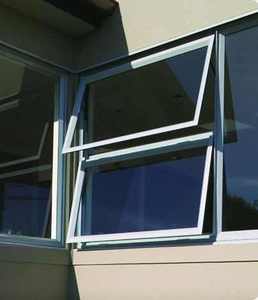
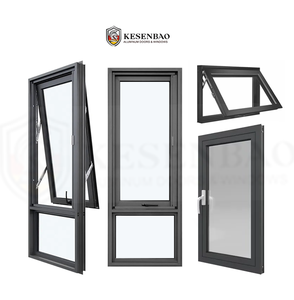
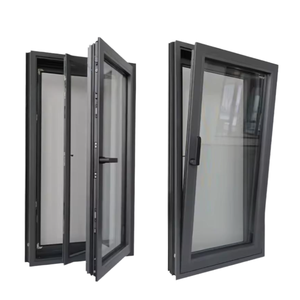
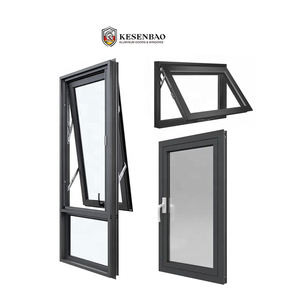
When engineering high-performance modern building envelopes, the selection of tempered glass (toughened glass) and integrated thermal-break framing systems stands as a central factor governing structural safety, energy efficiency, acoustic attenuation, and long-term durability. Modern fenestration is no longer merely a decorative building component; it is an active mechanical shield engineered to withstand extreme wind pressures, thermal stress cycles, and seismic force loads.
As a leading tempered glass manufacturer and global exporter, Royal Windoor US operates at the convergence of advanced metallurgical extrusion, precision glass processing, and compliant structural installation. Grounded in over three decades of mechanical fabrication experience from our Houston Heights facility, our engineering protocol guarantees that every lite of tempered safety glass and every thermally broken aluminum frame meets international codes including Australian AS2047, European CE standards, and North American NFRC/TDI hurricane impact requirements.
To understand the superiority of high-grade tempered glass over standard float or heat-strengthened variants, one must examine the microstructural stress distribution established during the thermal quenching process. Monolithic float glass is subjected to a continuous heating furnace, reaching temperatures exceeding 600°C (1,112°F), bringing the silicate matrix past its softening point.
Upon exiting the heating chamber, the glass undergoes high-pressure air quenching. The outer surfaces cool and solidify rapidly, while the inner core remains molten and continues to contract. This thermal differential locks the surface layers into continuous state of compressive stress (≥ 90 MPa / 13,000 psi per ASTM C1048 and EN 12150), balanced by internal tensile stress in the center core. This structural equilibrium grants tempered glass several defining mechanical advantages:
A critical engineering failure in low-grade tempered glass is spontaneous breakage induced by microscopic Nickel Sulfide (NiS) inclusions. Over time, these NiS particles undergo a phase transformation from alpha to beta phase, accompanied by a 2% to 4% volumetric expansion that can fracture the central tension zone of the glass unexpectedly.
At Royal Windoor US, our export-grade tempered glass undergoes mandatory Heat Soak Testing (HST) in accordance with EN 14179-1. By reheating the tempered lites to 290°C (554°F) in a controlled thermal chamber for a extended soak cycle, any glass units containing critical NiS contaminants are intentionally induced to break inside the factory chamber before crating and export, ensuring zero spontaneous failure on site for structural glazing projects worldwide.
Selecting the optimal glazing configuration requires balancing thermal conductivity (U-Factor), Solar Heat Gain Coefficient (SHGC), and Acoustic Sound Transmission Class (STC). Below is a direct engineering comparison of standard architectural glazing configurations manufactured in our facility:
| Glazing Configuration | Nominal Thickness | U-Factor (Btu/h·ft²·°F) | SHGC Range | Acoustic Rating (STC) | Primary Application |
|---|---|---|---|---|---|
| Single Lite Clear Tempered | 6mm - 12mm | 1.02 - 1.10 | 0.78 - 0.82 | 30 - 32 dB | Interior partitions, balustrades, shower enclosures |
| Standard Double IGU (Tempered) | 6mm + 12A + 6mm | 0.45 - 0.50 | 0.62 - 0.70 | 35 - 38 dB | Standard residential window openings |
| Thermal Break Double Low-E IGU | 6mm Low-E + 16A Argon + 6mm | 0.24 - 0.28 | 0.25 - 0.38 | 38 - 42 dB | Commercial facades, luxury villa fenestration |
| Triple Glazed Thermal Break IGU | 6mm + 12A + 4mm + 12A + 6mm | 0.14 - 0.18 | 0.20 - 0.32 | 42 - 45 dB | Passive house design, extreme temperature zones |
| Laminated Impact Tempered IGU | 6mm Temp + 12A + 6mm + 1.52 SGP + 6mm | 0.22 - 0.26 | 0.22 - 0.30 | 45 - 48 dB | Hurricane impact zones (TDI Listed / Coastal) |
*Note: Performance figures reflect standard EN 673 and NFRC 100/200 test procedures. Custom argon/krypton gas fills and triple-silver soft coatings alter baseline metrics.
Analysis of emerging regulatory frameworks, building energy codes, and advanced material innovations shaping global glass purchasing strategies through 2030.
With international building energy mandates enforcing near-zero energy consumption (NZEB), procurement is rapidly shifting from conventional double glazing toward hybrid Vacuum Insulated Glass (VIG) integrated into tempered safety lites. VIG eliminates gas convection within the cavity, achieving center-of-glass U-factors as low as 0.06 Btu/h·ft²·°F in profile depths under 10mm.
Architectural specifications increasingly favor dynamic electrochromic tempered glass that modulates tint automatically based on real-time solar irradiance sensors. Concurrently, Building-Integrated Photovoltaic (BIPV) tempered glass windows allow modern commercial building envelopes to generate renewable electricity without sacrificing structural optical clarity.
Traditional Polyvinyl Butyral (PVB) interlayers in laminated tempered glass are being replaced by Ionoplast SentryGlas® (SGP) sheets. SGP interlayers are 5 times tougher and up to 100 times stiffer than standard PVB, maintaining structural panel integrity even if both tempered glass lites break, making them mandatory for high-wind hurricane zones and frameless glass railings.
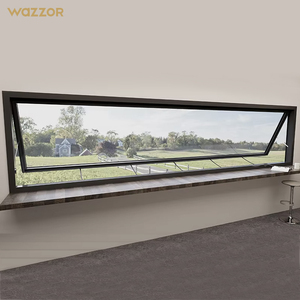
Commercial hospitality projects and modern residential villas demand seamless indoor-outdoor transition systems. Top-out gas-strut awning windows and minimal sliding door systems utilizing 20mm ultra-slim interlocks require tempered glass engineered to tight distortion tolerances to preserve optical alignment across expansive spans.
Global procurement officers are rejecting unverified factory brokers. Direct manufacturer auditing, verified batch tracking, factory-glazed crating, and mandatory compliance testing for water penetration, air infiltration, and structural deflection under AS2047, CE, and ASTM standards now define international contract awards.
Royal Windoor US is a family-owned manufacturer, installer, and authorized global exporter headquartered in Houston, Texas. Founded on 30 years of hands-on structural construction, extrusion mechanics, and architectural glazing expertise, our operation eliminates the common split-liability risk that plagues complex commercial and residential projects.
Unlike distributor desks that outsource fabrication and disclaim installation liability, we control the entire value chain—from 6063-T5 aluminum alloy extrusion and polyamide thermal break bonding to precision glass tempering, double-seal IGU assembly, and containerized export packing.
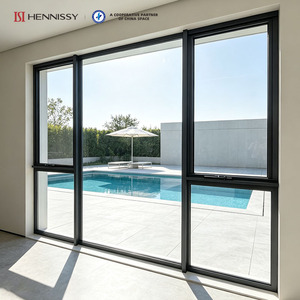
We extrude primary 6063-T5 architectural aluminum frames reinforced with structural polyamide (PA66GF25) thermal barrier strips. This thermal break stops metal thermal conduction, preventing interior frame condensation during humid weather while drastically reducing building heating and cooling loads.
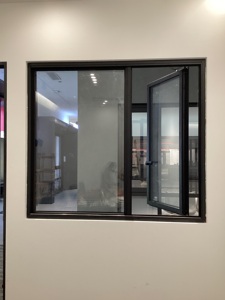
Our casement, tilt-and-turn, and awning window series are fitted with heavy-duty German multi-point locking gear (ROTO / Siegenia class) and 304/316 stainless steel friction hinges. This hardware configuration delivers air-tight compression sealing and exceptional intrusion resistance.
Because frame extrusion, tempered glass fabrication, hardware assembly, and export crating are executed within one unified facility, any technical inquiry or warranty claim lands on one desk. No split liability between glass glazier, frame extruder, and hardware supplier.
Detailed responses regarding technical specifications, export packaging, testing certifications, and lead times.
Submit your structural openings schedule or CAD elevations to receive shop drawings, thermal performance calculations, structural test reports, and factory-direct export pricing.
Direct Phone Inquiry: (832) 681-9190 | Head Office: 7248 Wynnpark Dr, Houston, TX 77008