Factory-direct high-performance glazing engineered for South Africa's commercial and residential developments
Rapid urban density across South Africa’s key economic hubs—including Johannesburg’s Sandton financial district, Cape Town’s Atlantic Seaboard, Pretoria’s embassy zones, and Durban’s expanding coastal corridors—has elevated acoustic attenuation from a luxury consideration to a primary structural specification. The interaction of high-decibel ambient urban noise, industrial traffic, aircraft corridors, and severe coastal microclimates requires window fenestration systems capable of mitigating complex sound pressure waves while maintaining strict thermal compliance under SANS 10400-XA regulations.
As a leading international acoustic windows supplier partnering with South African architectural practices, property developers, and facade contractors, our engineering focus centers on addressing the dual acoustic-thermal envelope requirements. Standard single-glazed glass profiles (3mm to 6mm annealed glass) widely found in older South African properties offer an average Sound Transmission Class (STC) rating of only 26 to 28 dB. This allows substantial low-frequency structural noise (50 Hz – 250 Hz from heavy transport) and mid-to-high frequency airborne noise (500 Hz – 4000 Hz from urban activity) to penetrate interior spaces freely.
Information Gain Insight: Acoustic isolation is not merely a function of glass thickness. Optimal sound dampening ($R_w + C_{tr}$ values) is achieved by disrupting sound wave resonance through asymmetric double-glazing configurations, specialized PVB/SGP acoustic interlayers, multi-point compression seals, and structurally isolated polyamide thermal break extrusions.
Sound waves travel through building envelopes via direct air transmission and structural vibration. When sound strikes a glass pane, it causes the panel to flex and re-radiate acoustic energy into the building interior. To achieve superior acoustic performance (STC ratings of 40 dB to 48 dB), our window systems utilize three core acoustic engineering principles:
| Glazing Specification Profile | Overall STC Rating | $R_w$ (dB) Rating | Glass Configuration (mm) | Thermal U-Factor ($W/m^2K$) | Primary SA Urban Application |
|---|---|---|---|---|---|
| Standard Double Glazed (Thermal Focus) | STC 32 - 34 | 33 dB | 5mm Clear + 12A + 5mm Clear | 1.8 - 2.1 | Suburban Residential (Pretoria East, Bloemfontein) |
| Enhanced Acoustic Thermal Break | STC 38 - 40 | 39 dB | 6mm Clear + 16A + 6.38mm Laminated PVB | 1.5 - 1.7 | Urban Residential & Mixed-Use (Sandton, Umhlanga) |
| Ultra-Acoustic Max Isolation | STC 42 - 45 | 44 dB | 8mm Toughened + 20A + 8.76mm Acoustic PVB | 1.2 - 1.4 | Highway Corridors & Commercial High-Rises (Johannesburg CBD) |
| Architectural Hurricane & Marine Acoustic | STC 46 - 48+ | 47 dB | 10mm Toughened + 16A + 10.76mm SGP Laminated | 1.1 - 1.3 | Coastal Luxury Estates (Cape Town Atlantic Seaboard, Ballito) |
South Africa’s diverse geographic and climatic zones dictate distinct architectural window engineering needs. As a direct supplier to South African contractors and property owners, we customize window profiles to suit regional challenges:
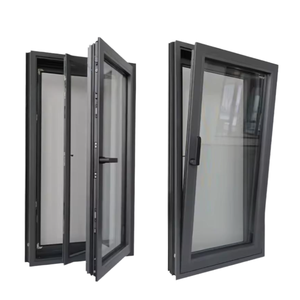
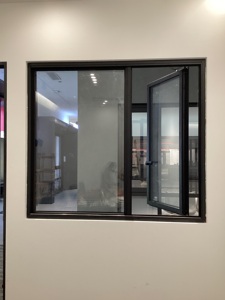
Projects adjacent to the N1, N3, and M1 highways in Johannesburg and Midrand experience continuous heavy vehicle vibration and engine noise. Our Tilt & Turn and Casement systems equipped with multi-point EPDM rubber compression seals block air infiltration and low-frequency rumble effectively.
Cape Town’s coastal properties face aggressive salt spray corrosion and gale-force South-Easterly winds. We supply marine-grade anodized or powder-coated 6063-T5 aluminum frames with stainless steel 316 friction stays and double-glazed laminated glass that withstand wind-driven rain and noise storm pressure.
Durban and North Coast developments require high acoustic insulation combined with extreme solar heat control. Our thermal break profiles with Low-E double glazing minimize air conditioning load while keeping ambient tropical storm wind and resort activity noise outdoors.
The South African commercial and luxury residential real estate sectors are undergoing a significant shift toward green building standards and occupant wellness design. Key trends influencing acoustic window procurement include:
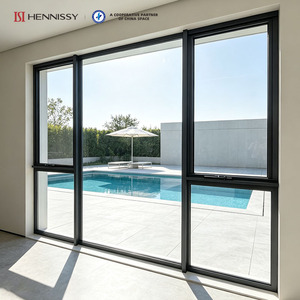
South Africa’s national building standard (SANS 10400-XA) mandates strict maximum fenestration heat gain and loss coefficients. Monolithic aluminum frames without thermal break technology allow rapid thermal bridging, leading to interior heat buildup during summer and high heating costs during Highveld winters. By integrating polyamide (PA66) thermal barrier strips between inner and outer aluminum extrusions, our acoustic windows satisfy both energy efficiency targets and acoustic soundproofing goals simultaneously.
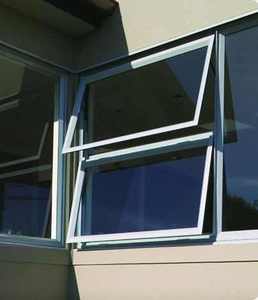
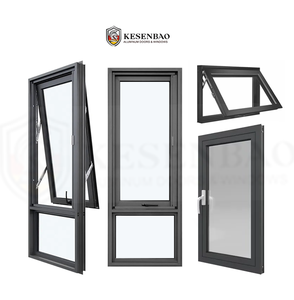
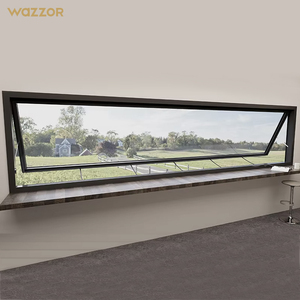
With precinct developments like Rosebank (Gauteng) and Century City (Cape Town) combining residential apartments directly above retail centers and restaurants, sound attenuation has become a primary leasing criteria. High-STC casement and top-out awning windows allow urban dwellers peaceful living environments despite continuous foot traffic and commercial refrigeration noise below.
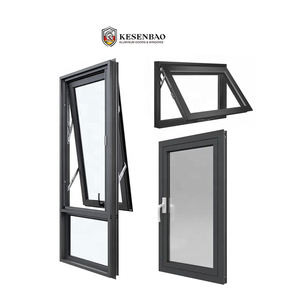
In the South African residential market, window specification must address security and insect control alongside acoustic performance. Our AS2047-certified awning and casement window series incorporate high-tensile 304/316 stainless steel mesh flyscreens and multi-point locking gear engineered to resist manual force while keeping windows securely cracked for acoustic-dampened trickle ventilation.
Selecting an acoustic windows supplier for international export into South Africa requires absolute confidence in structural testing, material grade compliance, and logistics support. Backed by over 30 years of manufacturing experience, our enterprise production protocols ensure exact compliance with project architectural specifications: