Direct export from our specialized manufacturing facilities to Italian distributors, general contractors, and facade engineers across Milan, Rome, Venice, and Naples.
Importing architectural glass railings and structural aluminum base channels into Italy demands rigorous alignment with national building codes (NTC 2018 - Norme Tecniche per le Costruzioni) and European harmonized standards (EN 1090-1, EN 14449). In particular, balustrades installed across Italian residential and commercial developments must strictly pass dynamic soft-body and hard-body impact tests governed by UNI 11678:2017.
As a specialized manufacturer and export facility for architectural glass railings and window systems, our production lines integrate fully validated 6063-T5 aluminum extrusions, DuPont SentryGlas® (SGP) ionoplast interlayers, and custom CNC-milled clamping systems designed to simplify installation while offering continuous structural stability up to 3.0 kN/m line loads.
| Building Category (Italy NTC 2018) | Application Scenario | Required Horizontal Line Load (kN/m) | Recommended Glass Composition (SGP Laminated) |
|---|---|---|---|
| Category C1 / A | Private Residential Balconies & Staircases (Milan, Turin) | 1.0 kN/m | 8+8.4 PVB / 10+10.4 Toughened Glass |
| Category C2 | Public Offices, Hotels, Agriturismo Terraces (Tuscany, Rome) | 2.0 kN/m | 10+10.4 SGP / 12+12.4 Toughened Glass |
| Category C3 / D | Shopping Malls, Sports Arenas, Train Stations (Venice, Genoa) | 3.0 kN/m | 12+12.4 SGP Ionoplast / 15+15.4 SGP Glass |
| Coastal High-Wind Zones | Clifftop Villas & Resorts (Amalfi Coast, Sardinia, Capri) | 2.0 - 3.0 kN/m + Wind Load | 10+10.4 SGP (Qualicoat Class 2 Anodized Aluminum) |
Our structural glass balustrade profiles utilize high-tensile alloy extrusions engineered with polyamide isolation strips where necessary to prevent galvanic corrosion in salty coastal microclimates. Every shipment bound for Genoa, La Spezia, or Trieste includes factory batch test reports, alloy composition mill certificates, and glass impact test documentation required by Italian site directors (Direttore dei Lavori).
From alpine snow loads in Lombardy to corrosive saline sea spray along the Tyrrhenian coast, our manufacturing solutions adapt to specific geographical environments.
Challenge: Extreme chloride exposure, humidity, and high wind gusts along coastal cliffs in Amalfi, Positano, and Sardinia.
Factory Solution: 25-micron deep anodized 6063-T5 aluminum base channels combined with SGP laminated glass. Surface finishes resist salt fog degradation, passing 3000-hour acetic acid salt spray (AASS) testing without pitting.
Challenge: Strict urban aesthetic guidelines, minimalist ultra-thin sightlines, and elevated wind loads on upper floors of contemporary residential towers.
Factory Solution: Frameless bottom-mounted U-channel systems recessed into concrete slabs. Delivers unobstructed panoramic urban views while resisting linear wind pressures up to 3.0 kN/m under Italian NTC 2018 standards.
Challenge: Integrating modern safety barriers into centuries-old stone villas and countryside estates without disrupting historical visual harmony.
Factory Solution: Custom powder-coated base shoes matching traditional corten steel, architectural bronze, or matte terra-cotta tones (Qualicoat certified), paired with ultra-clear low-iron glass panels.
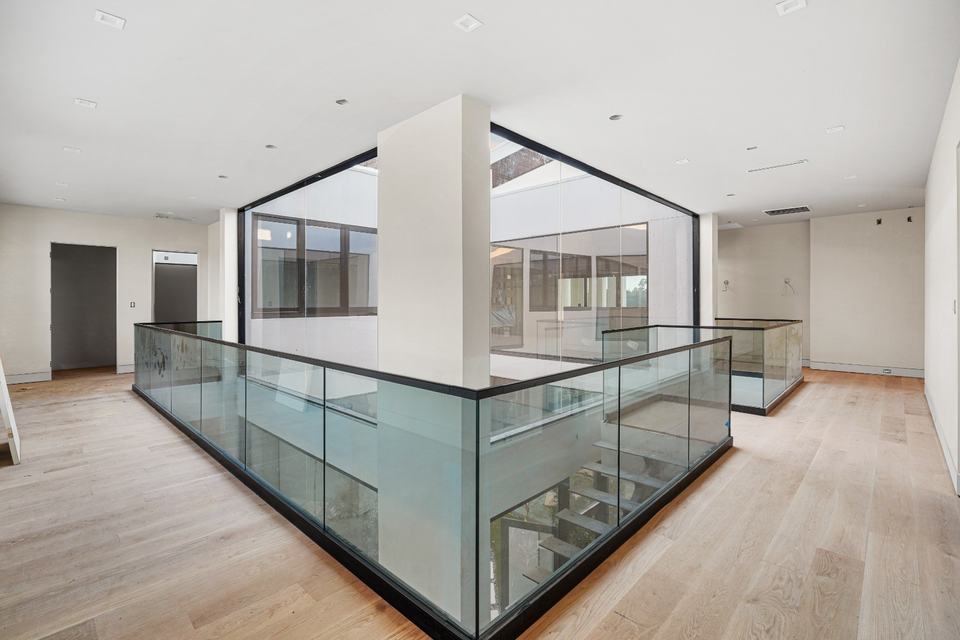
Engineered with pre-drilled aluminum base shoes, adjustable wedge alignment mechanisms, and EPDM gaskets, our structural glass railing kits allow installers in Italy to align glass panels up to ±15mm without special tools.
Understanding how Italian energy retrofits, urban regeneration schemes, and biophilic hotel design shape manufacturing requirements.
Following Italy’s Superbonus construction wave, modern residential projects prioritize high-transparency glass balustrades over old steel spindles to maximize exterior light penetrations and overall property market valuation.
Italian specifiers are rapidly shifting from standard PVB to SentryGlas® (SGP) interlayers. SGP provides 5 times the tear strength and 100 times the rigidity, ensuring the glass stays upright even if both panes experience severe damage during seismic events.
Boutique hotels along the Venetian Riviera and Lake Como are heavily adopting bottom aluminum channels equipped with waterproof LED light strip channels, creating dramatic ambient night illumination for outdoor dining terraces.
Combining 30 years of extrusion expertise, advanced thermal break engineering, and direct ocean freight logistics to Southern European ports.
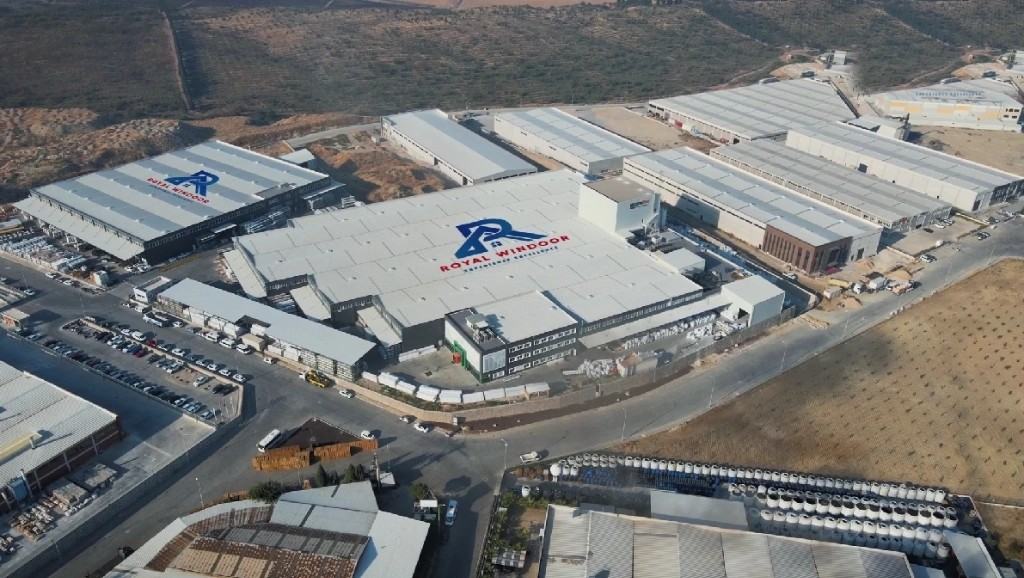
Unlike trading intermediaries, our manufacturing complex houses 6063-T5 aluminum billet extrusion presses, automatic anodizing lines, double-glazing lines, and CNC glass tempering ovens under one operational roof. This vertical integration guarantees zero split liability between frame and glass performance.
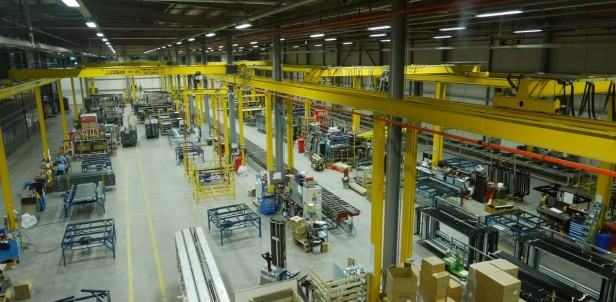
Automated 5-axis CNC routing ensures precise mounting hole alignment and corner miter perfection on every extruded base profile.
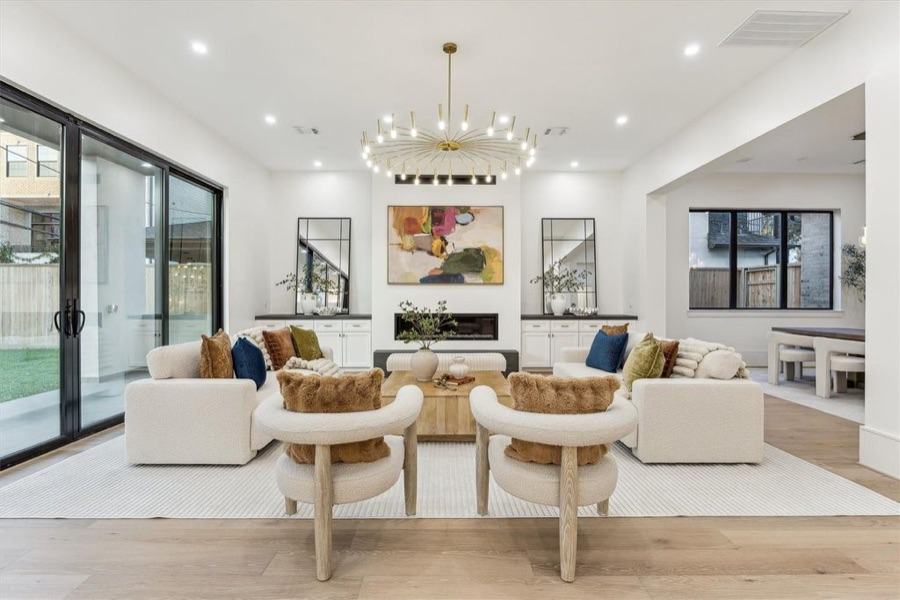
Fully integrated insulated glass units engineered with low-emissivity coatings for energy compliance under Italian regulations.
Every production batch undergoes 100% optical clarity verification and load-stress testing before crating and export dispatch.
Clear answers regarding structural certifications, shipping lead times, customs procedures, and custom order minimums.
Yes. Our structural glass railing systems and base channels are manufactured to meet dynamic pendulum impact and linear thrust requirements defined under UNI 11678:2017. For project specific requirements in Italy (such as 1.0 kN/m for residential or 3.0 kN/m for public venues), we provide calculated engineering reports verifying glass thickness and anchor bolt spacings.
We extrude using structural 6063-T5 aluminum alloy. For coastal locations in Southern Italy, Sicily, or Sardinia, we recommend our 20–25 micron anodized finish or Qualicoat Class 2 architectural powder coatings. These treatments prevent salt haze, bubbling, and atmospheric oxidation caused by Mediterranean saline air.
Standard architectural aluminum profiles and stock glass balustrades ship within 2 to 4 weeks. Custom extruded channels or specialized SGP glass make-ups take approximately 4 to 6 weeks. Ocean container transport from our manufacturing facility to Italian ports (Genoa, La Spezia, Naples, Venice) typically takes 28 to 35 transit days.
Absolutely. Our in-house facade engineering team prepares detailed CAD shop drawings, structural calculation notes, and 3D BIM models (.RVT / .IFC format) for submission to Italian site directors (Direttore dei Lavori) and structural engineers before mass production commences.
Glass panels are interleaved with protective cork pads and packed into fully enclosed, ISPM-15 compliant fumigated solid wooden crates. Base aluminum channels are wrapped in protective polyethylene scratch film and bundled with steel strapping to guarantee zero movement inside export shipping containers.
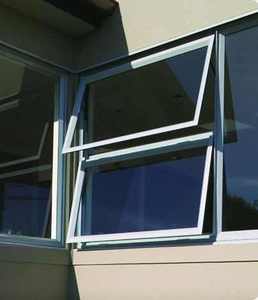
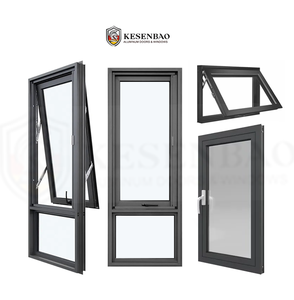
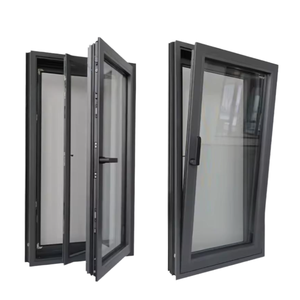
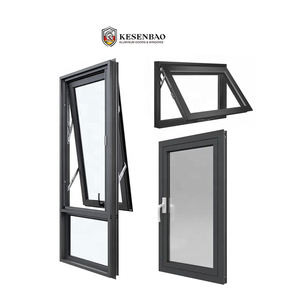
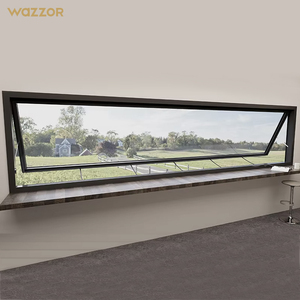
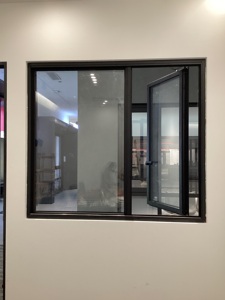
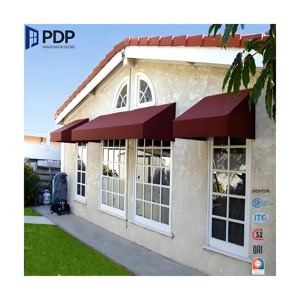
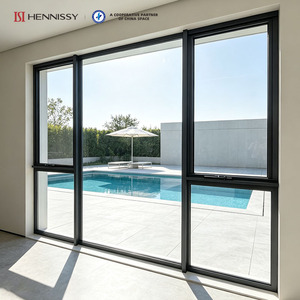
Yes, as seen in our product hub, we manufacture thermally broken 6063-T5 aluminum casement, awning, tilt-and-turn windows, and minimal sliding doors featuring polyamide insulation strips. Importers can consolidate glass railing orders with window systems in the same ocean container to minimize sea freight costs.
Whether you require bulk factory supply for a multi-family project in Milan or custom structural glass railings for a luxury hotel in Positano, our engineering team is ready to issue shop drawings, structural pricing, and freight schedules.
Contact Us