As commercial infrastructure accelerates across Vietnam’s Northern Economic Zone, the requirement for high-performance exterior building envelopes has transitioned from aesthetic luxury to structural necessity. As leading global manufacturers and direct exporters, we specialize in delivering CE-certified structural glazing systems, thermally broken aluminum unitized curtain walls, and architectural fenestration directly to project sites across Hanoi, including major developments in Cau Giay, Nam Tu Liem, Ba Dinh, and West Lake (Tay Ho).
Our architectural systems are precision-engineered to fulfill European Standard EN 13830 (Curtain Wallings) and EN 14351-1 (Windows & Doors), offering verified structural integrity against peak typhoon pressure loads, zero-penetration watertightness under monsoon driving rain, and advanced thermal isolation designed to lower HVAC consumption in Hanoi’s hot-humid tropical climate.
Explore our export-ready architectural window, skylight, and structural glazing solutions specified for luxury residential villas, mixed-use commercial towers, and urban infill projects throughout Hanoi.
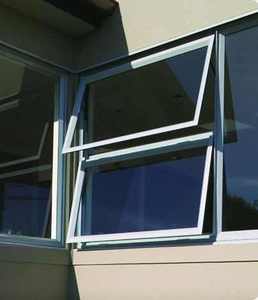
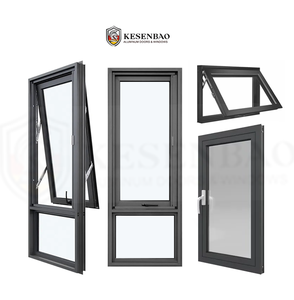
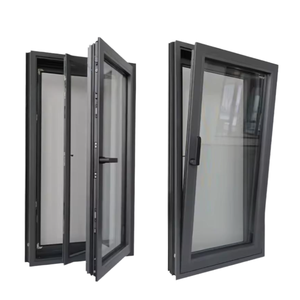
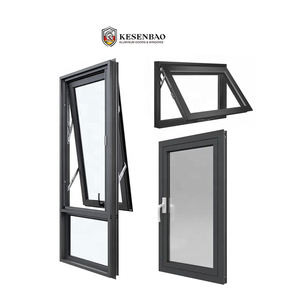
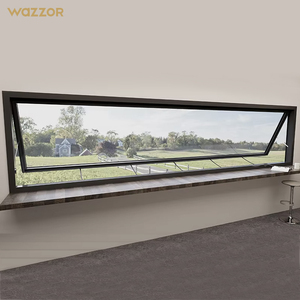
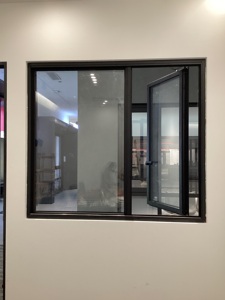
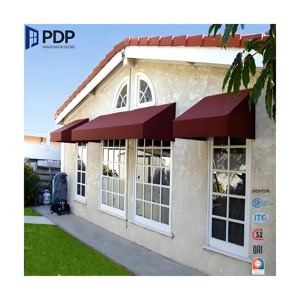
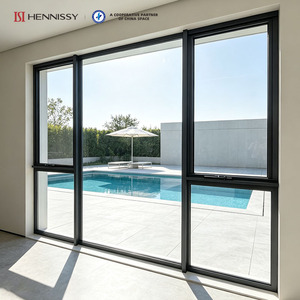
Structural Silicone Glazing (SSG) is an advanced curtain wall technology that utilizes high-strength, high-modulus elastomeric sealants to bond glass panes directly to extruded aluminum structural framing without visible exterior metal retainers. This achieves a smooth, continuous glass facade that optimizes daylighting while delivering exceptional aerodynamic drag resistance.
For high-rise commercial structures and modern residential towers in Hanoi, we engineer both 2-sided structural glazing (where vertical or horizontal loads are mechanically supported while the opposing axis utilizes structural silicone) and 4-sided structural glazing (where all four sides of the insulated glass unit are adhered with structural silicone sealant).
Extruded from high-grade 6063-T5 alloy featuring ultimate tensile strength ≥ 160 MPa and yield strength ≥ 110 MPa, providing rigid structural load distribution under violent tropical storm deflections.
Integrated PA66GF25 (25% glass fiber reinforced polyamide) thermal break strips interrupt aluminum thermal conduction, eliminating frame sweating during Hanoi's humid 'Nồm' season.
Adhered with factory-applied DowSil™ or SikaSil® structural sealants engineered for dynamic shear stress resistance, UV stability, and long-term elasticity against building settlement.
Hanoi presents a distinct microclimate characterized by high ambient relative humidity (often exceeding 90% during spring "Nồm" weather), severe urban acoustic pollution, and monsoon seasons bringing localized flood risks and typhoon wind loads. Our structural glazing and fenestration profiles are specifically customized for Hanoi’s micro-environmental demands:
Modern office towers and technology centers require unitized structural glazing curtain walls. Pre-assembled in controlled factory settings, these panels ensure rapid installation, certified wind pressure resistance up to 3000 Pa, and integrated top-hung opening vents for natural air purging.
Residential estates demand maximal indoor-outdoor connectivity. We supply thermally broken slim-frame casement windows equipped with 20A double-glazed units and integrated 304 stainless steel insect screens, preventing mosquito entry while maximizing lake views.
Architectural renovations in dense historic quarters require extreme acoustic isolation. Our acoustic-laminated structural glazing build-ups lower ambient city traffic and motorcycle noise by up to 45 decibels, creating peaceful interior sanctuary space.
Review the verified performance thresholds of our CE-marked structural curtain walling and window systems formulated for Vietnam export compliance:
| Performance Parameter | CE Standard Test Method | Royal Windoor Specification Value | Hanoi Climate Benefit |
|---|---|---|---|
| Air Permeability | EN 12207 / EN 12152 | Class 4 (600 Pa) | Prevents humid air ingress & HVAC loss during peak summer |
| Watertightness | EN 12208 / EN 12154 | Class E1500 (1500 Pa Dynamic Static) | Zero water leakage under torrential monsoon rainstorms |
| Wind Load Resistance | EN 12210 / EN 13116 | Design Pressure: ± 2500 Pa to 3500 Pa | Resists Category 3-4 typhoon forces in Northern Vietnam |
| Thermal Transmittance (U-Value) | EN ISO 10077-2 | 1.1 – 1.6 W/m²K (System Dependent) | Cuts building cooling electricity usage by 28–34% |
| Acoustic Insulation (Rw) | EN ISO 140-3 / EN ISO 717-1 | Rw (C; Ctr) = 38 dB to 45 dB | Dampens dense urban traffic and motorcycle noise spectra |
| Structural Silicone Joint Shear | ETAG 002 Compliance | Design Stress Tensile σdes = 0.14 MPa | Long-term elastic performance against building drift |
The construction landscape in Hanoi is rapidly shifting toward green building certification under the IFC EDGE (Excellence in Design for Greater Efficiencies) and VGBC LOTUS standards. Municipal regulations increasingly penalize high thermal transductance materials that contribute to the urban heat island effect in dense precincts like Hai Ba Trung and Dong Da.
Our export structural glazing facades incorporate spectrally selective double-silver Low-E glass configurations (e.g., 6mm Clear Low-E + 12A Argon + 6mm Clear) which deliver a low Solar Heat Gain Coefficient (SHGC < 0.28) while retaining high Visible Light Transmittance (VLT > 65%). This optimization ensures daylighting autonomy without overloading mechanical HVAC chillers during July heatwaves where ambient Hanoi temperatures regularly reach 40°C.
Backing every structural glazing module is over three decades of advanced fabrication experience. Unlike localized assembly desks, our integrated factory controls the complete extrusion, thermal strip insertion, glass unit assembly, and structural silicone bonding under strict ISO 9001 certified protocols.
Automated 5-axis CNC machining centers execute extrusion milling, hardware slotting, and corner cleating with tolerances within ± 0.1mm, ensuring tight gasket compression and structural alignment.
Structural silicone application takes place inside climate-controlled clean rooms with automated mixing, peel testing, and butterfly adhesion checks performed every 4 hours per factory batch.
Glazed units are packed inside fumigated ISPM-15 compliant heavy-duty steel-reinforced wooden crates, fully sealed against maritime moisture for direct delivery to Hai Phong Port or direct site transport to Hanoi.
Structural glazing curtain wall systems exported for Vietnam commercial projects are certified under European Standard EN 13830 (Curtain Walling - Product Standard). Windows and doors integrated into the structural facade comply with EN 14351-1. We supply complete Initial Type Testing (ITT) reports, Factory Production Control (FPC) documentation, and CE Declaration of Performance (DoP) certificates required by Vietnamese main contractors and foreign consultancy firms.
The "Nồm" weather phenomenon in March and April causes extreme surface condensation when moist air encounters cold indoor building surfaces. Our systems utilize PA66GF25 polyamide thermal breaks combined with warm-edge swisspacers and continuous EPDM gasketing. By interrupting metal-to-metal thermal paths, internal aluminum frame surface temperatures remain above the dew point, effectively eliminating frame condensation and mold growth.
Yes. Our structural glazing systems are engineered using high-modulus two-part structural silicone sealants (e.g., DowSil 983 / SikaSil SG-500) specifically rated for dynamic wind loads exceeding 3.5 kPa (equivalent to Category 4 typhoon wind velocities). Every structural joint depth and contact width is calculated in accordance with ETAG 002 design codes based on project elevation, glass dimensions, and local Hanoi wind pressure maps.
Standard production and structural curing cycles require 4 to 6 weeks depending on project scale and glass makeup. Sea freight from our manufacturing port to Hai Phong Port typically takes 10 to 14 days, followed by 1 to 2 days for customs clearance and direct flatbed trucking to job sites in Hanoi (Cau Giay, Nam Tu Liem, Long Bien, etc.).
Absolutly. Every export order is accompanied by detailed structural wind load calculations, thermal stress analysis, structural silicone bite calculations, and 2D/3D BIM shop drawings (Autodesk Revit / DWG format) for easy coordination with main structural engineers and façade consultants in Vietnam.
Field glazing structural silicone under Hanoi's fluctuating humidity and dust-heavy jobsite conditions risks sealant contamination and adhesion failure. Factory-glazed unitized systems ensure 100% clean-room bonding quality control, accelerated building enclosure times, and reduced on-site scaffolding costs for high-rise developments.
Consult with our senior technical engineering team today to review structural glazing specs, request CE documentation packages, or receive custom project cost estimates.
Inquire Now