Manufacturer & Installer View Project Portfolio Factory-direct aluminum, vinyl & impact-rated systems
Sales & trade:(832) 681-9190 Contact Us
Technical B2B Industry Whitepaper

China Best Tempered Glass Factories & Suppliers for the Hungary Market

Engineering Compliance, Thermal Insulation (EN 12150 / CE), and Direct Architectural Supply Chains for Budapest, Debrecen, and Central European Construction Projects

EU-Certified Tempered Glass & Aluminum Architectural Systems

Direct factory recommendations for Hungarian commercial contractors, residential developers, and architectural glazing importers.
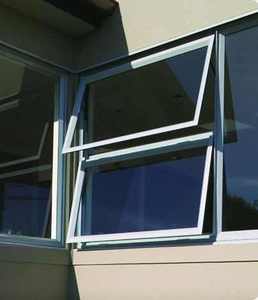
AS2047 TOMA Waterproof Awning Aluminium Tempered Glass Roof Windows Electric Blind Fixed Skylight Window

AS2047 TOMA Waterproof Awning Aluminium Tempered Glass Roof Windows Electric Blind Fixed Skylight Window

Engineered for overhead weather resistance. Features dual-seal EPDM gaskets, toughened safety glass, and motorized blind integration suitable for Hungarian attic retrofits.
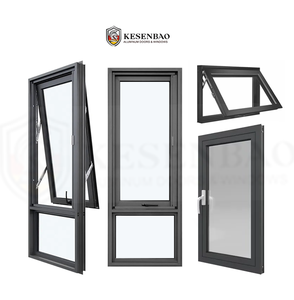
Soundproof Aluminum Casement Windows With Screens Aluminum Awning Casement Tilt And Turn windows For Residential

Soundproof Aluminum Casement Windows With Screens Tilt And Turn For Residential

High-acoustic attenuation system (STC 42dB) equipped with European standard Tilt & Turn hardware, ideal for dense urban residential zones across Budapest.
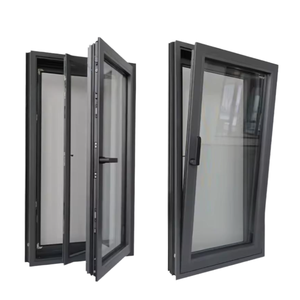
Thermal Break Casement Aluminum Windows with Window Screen, Aluminium Window Awning for Houses Mosquito Net

Thermal Break Casement Aluminum Windows with Integrated Flyscreen Mesh

Polyamide PA66 thermal barrier profile combined with Low-E tempered double glazing to prevent thermal bridging during cold Central European winters.
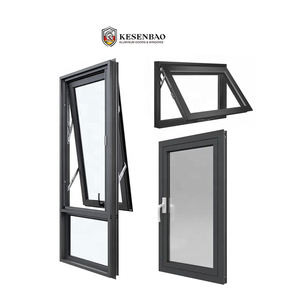
AS2047 CE Certified Thermal Break Aluminum Casement Window Awning Window Double Glazed Windproof Waterproof For Australian Villa

CE Certified Thermal Break Aluminum Casement & Awning Windows

Rigorously tested wind pressure (DP60) and air-tightness rating. Full CE & EN 12150 compliance documentation ready for EU customs and construction site verification.
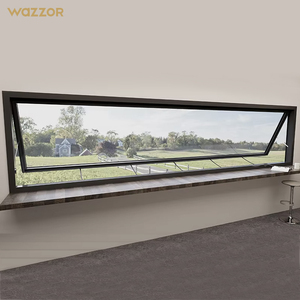
Wazzor Top-Out Awning Window Australia Standard Aluminum Glass Gas Strut Window Awning Type Building Material Awning Windows

Top-Out Gas Strut Awning Tempered Glass Window for Commercial Spaces

Heavy-duty gas strut opening system designed for commercial serveries, cafes, and modern hospitality projects in Lake Balaton tourist hubs.
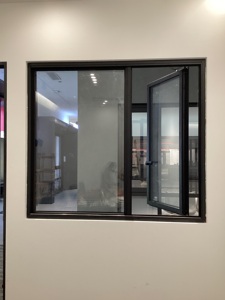
Thermal Break Casement Aluminum Windows With 20A Double Glazed Glass, Aluminium Window Awning For Houses Slim Frame

Slim Frame Thermal Break Casement Windows with 20A Argon Double Glazing

Ultra-narrow sightline design with 20mm warm-edge air spacer filled with Argon gas for Ug values down to 1.0 W/m²K, satisfying Hungarian energy efficiency codes.
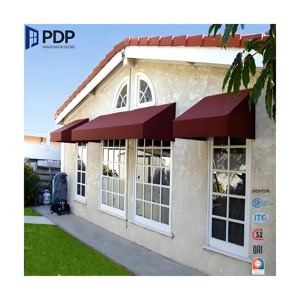
PDP Steel & Copper French Awning Window with Minimalist Design Customized Colors & Sizes Waterproof for Exterior Use

Minimalist Architectural Steel & Alloy French Windows with Toughened Glass

Bespoke luxury facade glazing combining high tensile strength frames with high-transmittance tempered safety glass for premium architectural projects.
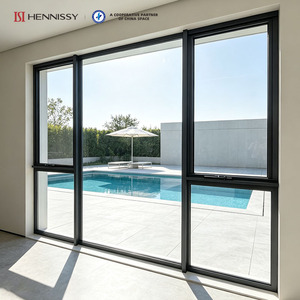
Australian AS2047 Modern Vertical Aluminum Awning Window With Stainless Steel Flyscreen For Residential & Commercial Use

Modern Vertical Aluminum Awning Window with Stainless Steel Security Mesh

Impact-resistant tempered glass paired with high-tensile 304 stainless mesh flyscreen. Weatherproofed against driving rain and heavy winds.

EN 12150
Certified Glass Safety Standard
Ug ≤ 0.8
W/m²K Triple Glazing Performance
6063-T5
Structural Aluminum Profile Grade
100% CE
EU Customs & Compliance Marking

1. Technical Whitepaper Overview: Sourcing Chinese Tempered Glass for Hungary

Hungary's commercial and residential construction sectors are undergoing rapid modernisation. Driven by strict European Union decarbonisation directives and national energy efficiency requirements (7/2006 TNM decree update), real estate developers in Budapest, Debrecen, Szeged, and Győr demand facade components with extreme thermal performance and safety guarantees. Chinese tempered glass manufacturers have evolved into essential strategic partners for Central European glazing contractors, offering advanced toughened safety glass, Low-E insulating glass units (IGU), and thermally broken aluminum framing at competitive factory-direct pricing.

Information Gain Insight: Procurement in the Hungarian market is no longer solely governed by price per square meter. It is defined by strict adherence to European Norms (EN 12150-1 for thermally toughened soda lime silicate safety glass, EN 1279 for insulating glass units), seamless customs clearance through EU ports (such as Koper or Piraeus), and precise U-value ratings (Uw ≤ 1.0 W/m²K for modern residential permits).

This whitepaper provides procurement directors, general contractors, and facade engineers with a comprehensive evaluation framework for selecting tier-one Chinese glass manufacturers, understanding localized Hungarian environmental demands, and optimizing containerized shipping logistics.

Localized Application Scenarios in Hungary

Hungary’s Pannonian Basin climate experiences sharp seasonal variations—ranging from hot, dry summers above +35°C to freezing winters dipping below -15°C. Architectural glass specifications must respond directly to these microclimates:
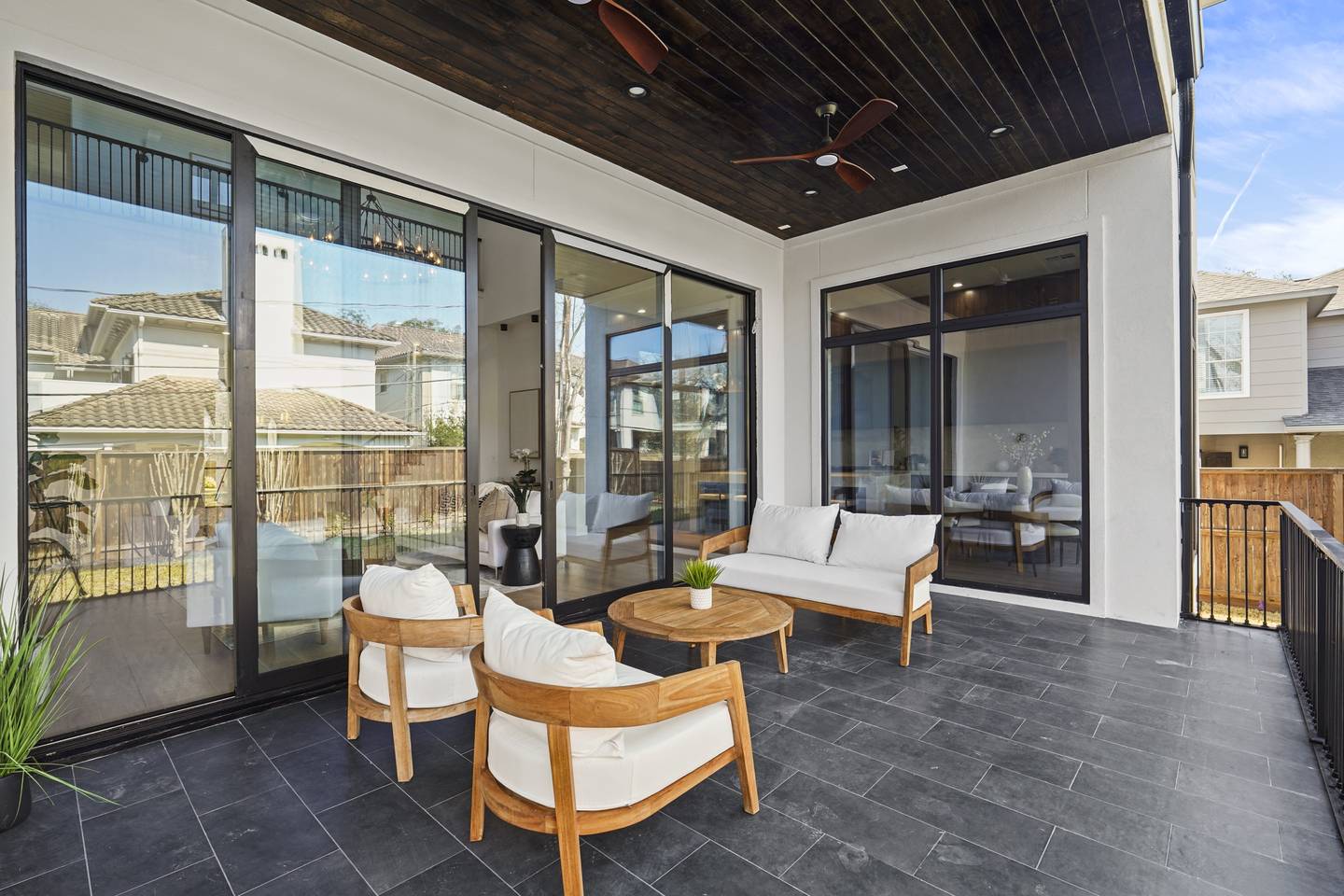
  • Budapest Urban Residential & Historic Infill: High demand for soundproof double and triple-glazed tilt-and-turn windows. Acoustic glass build-ups (laminated acoustic PVB interlayers) are critical for mitigating traffic noise along Grand Boulevard (Nagykörút).
  • Lake Balaton Resort & Hospitality Villas: Expansive minimal sliding glass doors and gas-strut awning windows that maximize daylight while providing solar control (G-value < 0.35) to prevent interior overheating.
  • Debrecen & Western Hungary Industrial Hubs: Rapid expansion of EV battery manufacturing facilities and logistics parks requires high-volume safety tempered glass skylights, structural curtain walls, and fire-resistant toughened vision glass.
Thermal break architectural glass application in modern building elevation

1. Near-Zero Energy Buildings (NZEB)

Hungarian building codes require modern structures to achieve near-zero energy consumption. Glazing assemblies must feature polyamide thermal breaks (PA66GF25) and Low-E double/triple tempered IGU configurations achieving combined Uw values below 0.9 - 1.1 W/m²K.

2. Mandatory EU CE Certification

Imported glass into Hungary must strictly comply with EU Regulation (EU) No 305/2011 (CPR). Factory Production Control (FPC) certificates and Declaration of Performance (DoP) documents verified under EN 12150 and EN 1279 are mandatory for site inspection sign-offs.

3. Direct Factory Supply Chains

Hungarian developers are bypassing intermediary brokers to source factory-direct containerized glass from top-tier Chinese manufacturers, reducing procurement costs by 25% to 40% while gaining customized shop drawing support.

Tempered Glass & Frame Performance Specification Matrix

Rigorous baseline data used by facade engineers and procurement officers when selecting China-supplied architectural glazing.

Glazing Specification Type Glass Build-Up (mm) Thermal Transmittance (Ug W/m²K) Acoustic Insulation (Rw dB) European Compliance Standard Primary Hungarian Application
Double Tempered Low-E 6mm Low-E Temp + 16Ar + 6mm Temp 1.2 - 1.4 W/m²K 34 - 36 dB EN 12150 / EN 1279 Standard Residential Apartments & Offices
Triple Tempered Warm-Edge 6mm Low-E Temp + 14Ar + 5mm Temp + 14Ar + 6mm Low-E Temp 0.7 - 0.9 W/m²K 38 - 41 dB EN 12150 / Passivhaus Certified NZEB Luxury Villas & Green Buildings
Laminated Tempered Safety 6mm Temp + 1.52PVB + 6mm Temp 2.6 - 2.8 (Monolithic) 39 - 44 dB EN 14449 / EN 12600 Balustrades, Overhead Skylights & Storefronts
Thermal Break Aluminum Windows 6063-T5 Profile + Polyamide Strip + Double IGU Uw 1.1 - 1.3 W/m²K 38 - 42 dB EN 14351-1 / CE Marked Modern Commercial Facades & Residential Systems

2. Chinese Factory Manufacturing Capabilities & Quality Assurance

Leading Chinese architectural glass manufacturers operate automated tempering lines equipped with forced convection heating technology. This ensures flat, distortion-free tempered glass sheets capable of passing stringent European optical roller wave distortion tests (< 0.05 mm) and edge lift specifications (< 0.15 mm).

A. Advanced Heat Soak Testing (HST)

Spontaneous breakage in tempered glass caused by Nickel Sulfide (NiS) inclusions poses a significant safety hazard. Premium Chinese suppliers for the European market execute 100% Heat Soak Testing according to EN 14179-1, accelerating potential NiS phase transformations within controlled ovens to guarantee zero spontaneous breakage post-installation.

B. Thermally Broken 6063-T5 Extrusions

System integration is crucial. As highlighted in leading manufacturer specifications, high-grade window units feature 6063-T5 extruded aluminum profiles connected via structural polyamide (PA66GF25) thermal break strips. This mechanical bond halts linear heat transfer across the frame, eliminating condensation risks during damp Hungarian winters.

C. Precision Hardware Integration

Factory assemblies utilize multi-point European groove hardware systems (such as German Siegenia, GU, or Hoppe), ensuring perimeter compression sealing against driving rain and heavy wind loads typical of Central European plains.

D. Automated Insulating Glass Production

IGU manufacturing employs dual-seal technology: primary butyl sealing for moisture barrier protection combined with secondary structural silicone for mechanical stability, guaranteeing gas retention (Argon > 90%) over a 20-year service life.
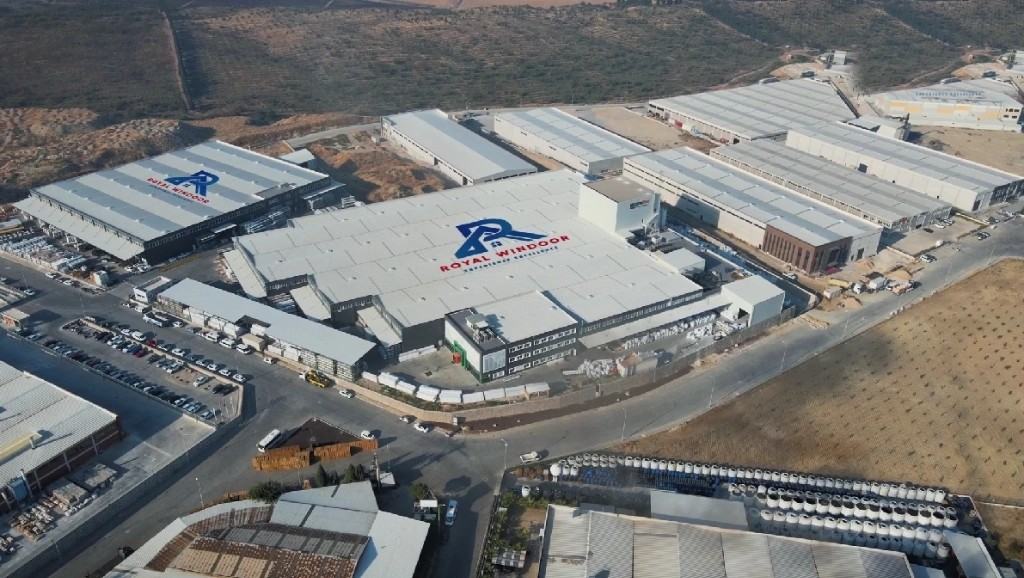
Aerial view of Chinese glass and window manufacturing facility supporting European export shipments

Export Logistics & Crating for Central Europe

Shipping heavy architectural glass across continents demands robust packaging engineering. Chinese factories export to Hungary via established ocean routes entering the Port of Koper (Slovenia) or Port of Piraeus (Greece), followed by direct rail/truck transport to inland logistics terminals in Budapest.

  • Custom heavy-duty fumigated wooden A-frame crates designed for overhead crane unloading.
  • Interlayer anti-mold powder or plastic film separators to prevent surface friction and chemical staining during ocean transit.
  • Desiccant-packed container loading with moisture barriers to maintain low humidity inside maritime containers.

Frequently Asked Questions for Hungarian Glass Buyers

Clear answers to regulatory, customs, logistics, and technical questions common among Hungarian developers and glazing contractors.

Q: What certificates are required to clear Chinese tempered glass through Hungarian Customs?
To clear customs smoothly in Hungary and satisfy local building inspectors (ÉMI approval), imported tempered glass must possess a CE Declaration of Performance (DoP) under EN 12150-1 (for toughened safety glass) or EN 14449 (for laminated glass). Your Chinese supplier should provide audited Factory Production Control (FPC) reports and test reports from accredited third-party laboratories (such as TÜV, Intertek, or SGS).
Q: How do Chinese tempered glass suppliers handle transit logistics to Budapest?
Most shipments are routed via maritime container freight to the Port of Koper (Slovenia), which serves as the primary maritime gateway for Hungary. From Koper, block trains or flatbed trucks transport containerized crates directly to site locations in Budapest, Debrecen, or Győr within 2 to 4 days of vessel discharge. Typical maritime transit time from Chinese main ports (Ningbo/Shenzhen/Qingdao) to Koper is 28–35 days.
Q: What thermal insulation values (U-values) should we specify for Hungarian residential projects?
Under current Hungarian building regulations (7/2006 TNM decree update), overall window thermal transmittance (Uw) for new residential builds should not exceed 1.0 - 1.1 W/m²K. To achieve this cost-effectively, we recommend specifying triple-glazed insulated units (Ug ≤ 0.7 - 0.8 W/m²K) combined with thermally broken aluminum frames (PA66GF25 polyamide insulation).
Q: How can we ensure zero spontaneous glass breakage on commercial facades in Hungary?
Always specify 100% Heat Soak Testing (HST) according to EN 14179-1 for all thermally toughened vision glass and spandrels. Additionally, utilizing laminated safety glass (EN 14449) with PVB/SGP interlayers ensures that even if impact damage occurs, the glass fragment matrix remains adhered to the interlayer.
Q: What are the payment terms and minimum order quantities (MOQ) for factory-direct shipments?
Standard B2B trade terms are 30% T/T deposit upon shop drawing approval, with the remaining 70% balance paid against the Bill of Lading (B/L) copy. Minimum order quantities typically start at one 20ft or 40ft High Cube container (approx. 400 to 800 m² of assembled windows or IGU glass), allowing maximum freight density and lowest per-unit shipping costs.

Partner with China's Premier Tempered Glass & Facade Manufacturers

Require customized CAD shop drawings, EN 12150 test documentation, or containerized freight quotes for your upcoming project in Hungary?

Get a Quote