Explore our export-ready architectural door and window systems, engineered to international structural and thermal standards for residential and commercial developments in Mexico City.
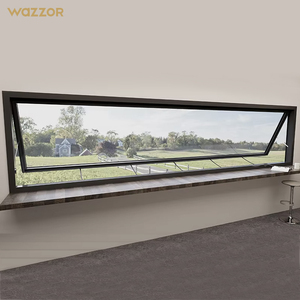
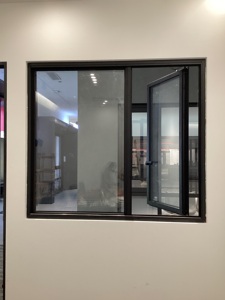
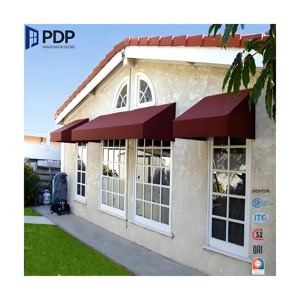
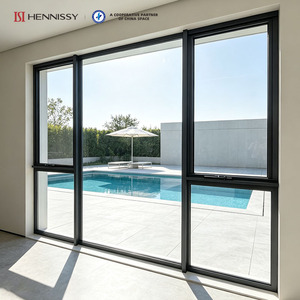
Architectural sliding glass door specifications in the Valley of Mexico require rigorous engineering adjustments to compensate for altitude-driven barometric shifts, intense UV solar gain, urban acoustics, and soft-soil seismic movement.
Mexico City sits at an average altitude of 2,240 meters (7,350 feet) above sea level, where atmospheric pressure drops to approximately 77 kPa compared to 101.3 kPa at sea level. Standard Insulated Glass Units (IGUs) sealed at sea-level facilities undergo severe outward (convex) pillowing when transported to CDMX, risking seal failure, glass deflection, or optical distortion.
As specialized sliding door manufacturers serving Mexico City, our IGUs are integrated with factory-installed capillary breather tubes or pressure-equalized gas charging. This ensures structural flatness, preserves seal integrity, and maintains clear optics across high-altitude installations in Santa Fe, Interlomas, and El Desierto de los Leones.
Noise pollution along major CDMX arterial avenues—such as Avenida Insurgentes, Paseo de la Reforma, Anillo Periférico, and Circuito Interior—presents a primary concern for luxury residential and commercial occupants. Standard sliding doors permit significant low-frequency acoustic leakage through frame interlocks and single-pane glass.
Our heavy-duty minimal sliding doors incorporate asymmetric double or triple glazing (e.g., 6mm tempered glass + 12mm Argon gap + 8.76mm acoustic PVB laminated glass) combined with multi-stage EPDM weather-stripping. This configuration delivers certified Sound Transmission Class (STC) ratings above 42 dB, effectively insulating indoor living environments in Polanco, Condesa, and Roma Norte from ambient city noise.
The lacustrine soil composition (Zona del Lago) across central Mexico City creates unique seismic wave amplification during earth movements. Fenestration systems installed in medium- to high-rise structures in Cuauhtémoc, Juárez, and Benito Juárez must absorb significant inter-story structural drift without frame racking or glass shattering.
We engineer custom sliding door profiles using high-tensile 6063-T5 aluminum extrusions with wall thicknesses up to 3.0mm, deep glass embedment tracks, and dynamic structural silicone glazing (SSG). These mechanical specifications allow the fenestration envelope to accommodate building movements cleanly while retaining air and water tightness after seismic events.
Due to CDMX’s high elevation and thin atmospheric layer, solar radiation (UV index consistently reaching 11+) rapidly heats interior spaces and degrades interior furnishings. Furthermore, thermal swings between cool high-altitude nights (5°C) and warm sunny afternoons (27°C) demand advanced thermal breaks.
Our sliding door systems incorporate 24mm PA66 GF25 polyamide thermal barrier strips alongside spectrally selective Low-E coatings (such as Solarban 60/70 equivalents). This blocks up to 72% of solar heat gain (SHGC ≤ 0.28) while preserving visible light transmittance (VLT ≥ 65%), maintaining interior thermal equilibrium without over-reliance on mechanical HVAC systems.
Technical Insight for CDMX Architects & Developers: Standard non-thermally broken aluminum profiles specified in Mexico City suffer from rapid heat conduction and thermal expansion stresses. By specifying polyamide-broken 6063-T5 extrusions with altitude-compensated IGUs, project developers eliminate frame sweating during winter rain events and reduce HVAC cooling loads in glass-heavy luxury residences in Lomas de Chapultepec and Santa Fe.
The architectural landscape of Mexico City is undergoing a major transition toward high-performance envelope design, luxury indoor-outdoor integration, and stringent green building standard compliance.
Modernist architecture in Polanco, Pedregal, and San Ángel emphasizes seamless visual continuity between interior living areas and exterior landscaped terraces or central gardens (patios centrales). Developers increasingly mandate minimal sliding doors featuring interlock sightlines down to 20mm, hidden sub-frame tracks, and multi-track pocketing configurations that slide entirely into masonry walls.
Commercial high-rises and luxury developments in Mexico City are bound by Mexican Official Standards (NOM) governing building envelope energy efficiency. Fenestration suppliers must provide certified overall U-factors (W/m²·K) and Solar Heat Gain Coefficients (SHGC). Our thermally broken aluminum sliding systems easily comply with EDGE and LEED certification requirements widely sought across CDMX real estate projects.
Historic corridors such as Centro Histórico, Coyoacán, and Colonia Roma demand retrofitting solutions that preserve historical elevation aesthetics while upgrading acoustic and thermal performance. Custom-colored anodized or fluoropolymer (PVDF) coated slim aluminum profiles offer the perfect balance of heritage visual compliance and contemporary physical performance.
Comprehensive engineering benchmarks for architectural specifiers, general contractors, and facade consultants evaluating direct factory supply for Mexico City projects.
| System Category | Profile Alloy & Break | Glass Configuration | U-Factor (W/m²·K) | Acoustic (STC) | CDMX Suitability |
|---|---|---|---|---|---|
| Minimalist Slim Slider | 6063-T5 / 24mm Polyamide | 6mm Low-E + 12A + 6mm Tempered | 1.4 - 1.6 | STC 38 - 40 | Polanco & Lomas Luxury Villas |
| Heavy Lift & Slide | 6063-T5 / 30mm Polyamide | 8mm Low-E + 16A + 8.76mm Laminated | 1.1 - 1.3 | STC 42 - 45 | Santa Fe & High-Altitude Terraces |
| Acoustic Urban Casement | 6063-T5 / Multi-Chamber | 6mm + 1.52PVB + 6mm Laminated + 12A + 6mm | 1.2 - 1.4 | STC 44 - 48 | Reforma & Insurgentes Apartments |
| Commercial Storefront Slider | 6063-T5 Architectural | 10mm Monolithic or Double IGU | 1.8 - 2.2 | STC 35 - 38 | Retail & Corporate Ground Floors |
Backed by over 30 years of precision engineering and window extrusion experience, we provide end-to-end manufacturing, custom shop drawing creation, and crated international shipping directly to your Mexico City job site.
Our sliding door frames are extruded using prime 6063-T5 aluminum billets, offering superior tensile strength, sharp mechanical tolerances, and exceptional surface finish quality. This ensures structural rigidity over massive panel widths reaching 3.5 meters in height.
To eliminate air infiltration and resist forced entry, our sliding systems utilize premium German-engineered hardware (Siegenia, Hoppe, or G-U). Heavy-duty stainless steel rollers support panel weights up to 400 kg, allowing fluid, effortless single-handed operation.
Exporting fenestration systems to Mexico City requires robust, specialized packaging. Every sliding door assembly is dis-assembled or factory-glazed into reinforced wooden crates with waterproof lining, steel corner guards, and elevation-equalized glass protection to guarantee zero-defect arrival via maritime or land transport.
We eliminate split liability between frame extruders, glass coaters, and hardware assemblers. Our in-house engineering team issues detailed AutoDesk CAD shop drawings, structural wind-load calculations, and a comprehensive written manufacturer warranty covering frames, glass seals, and hardware performance.
Key technical considerations when procuring custom sliding doors, thermal break aluminum windows, and architectural glazing for projects serving the Mexico City metro area.
Because barometric pressure at 2,240 meters is roughly 24% lower than at sea level, standard sealed double-glazed units expand outward during transit to CDMX. This atmospheric pressure differential can cause permanent glass bowing, distorted reflections, or premature perimeter seal rupture. We solve this by incorporating factory-installed capillary breather tubes or performing barometric pressure equalization charging prior to final crate sealing, ensuring flat optics and long-term seal reliability in Mexico City.
Mexico City experiences distinct diurnal temperature swings, with night temperatures dropping to 5°C and daytime high-altitude solar radiation heating frame surfaces above 40°C. Monolithic non-thermal aluminum frames conduct heat rapidly, causing interior energy loss and frame sweating during damp winter months. Our 6063-T5 aluminum frames feature polyamide (PA66 GF25) thermal breaks that interrupt thermal conduction, significantly cutting cooling/heating bills and stopping interior condensation in high-end homes.
Due to CDMX’s lacustrine soft-clay soil conditions (especially in central zones like Cuauhtémoc, Benito Juárez, and Coyoacán), buildings undergo lateral inter-story drift during seismic events. Our heavy-duty aluminum sliding door frames are engineered with deep glass engagement pockets, high-tensile wall extrusions (up to 3.0mm), structural silicone glazing, and flexible EPDM gaskets. This structural flexibility allows the opening to absorb lateral movements without glass binding or structural failure.
Yes. For developments facing noisy corridors like Avenida Insurgentes, Reforma, or Periférico, we supply sliding doors with specialized acoustic laminated glass build-ups (e.g., double-pane glass incorporating 1.52mm acoustic PVB interlayers). Combined with multi-point locking compression gear and continuous perimeter EPDM seals, our systems achieve acoustic ratings up to STC 45 dB, reducing urban traffic roar to a peaceful whisper indoors.
Production for custom thermally broken aluminum sliding doors typically ranges between 4 to 6 weeks, depending on system complexity, anodized/PVDF powder finish specifications, and panel dimensions. Freight shipments to Mexico City are consolidated into sea-freight containers (to Manzanillo or Veracruz) or delivered via direct cross-border land freight to your CDMX job site or customs broker facility, complete with full customs documentation and shop drawings.
Partner directly with a proven sliding door manufacturer. Send us your architectural drawings, elevation schedules, or opening dimensions to receive factory-direct pricing, structural calculations, and technical advice.