Precision-engineered architectural fenestration solutions crafted for Brazil's demanding coastal winds, tropical rains, and urban acoustic requirements.
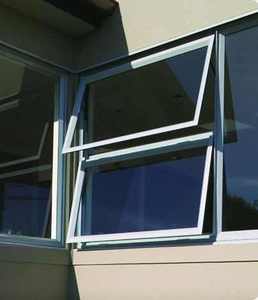
Electric integrated blind fixed skylight & awning window with heavy-duty weather sealing, engineered for high-slope tropical roofing applications.
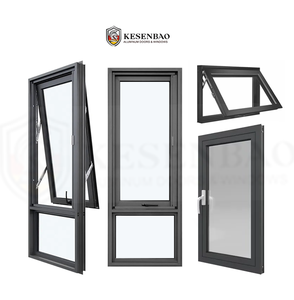
Dual-action tilt and turn mechanism offering multi-stage interior ventilation and total soundproofing for dense Brazilian urban centers.
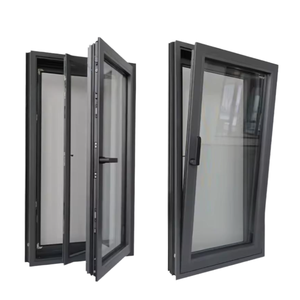
Equipped with Polyamide PA66 thermal barriers and fine stainless flyscreens to insulate interiors while keeping tropical insects out.
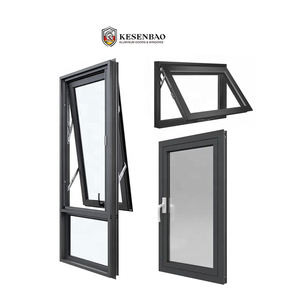
Structural 6063-T5 aluminum framing designed to withstand extreme wind pressures up to 3500 Pa in coastal high-rise developments.
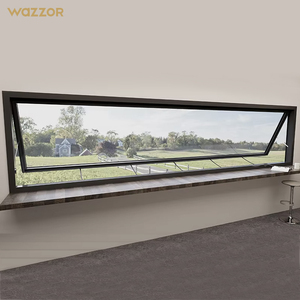
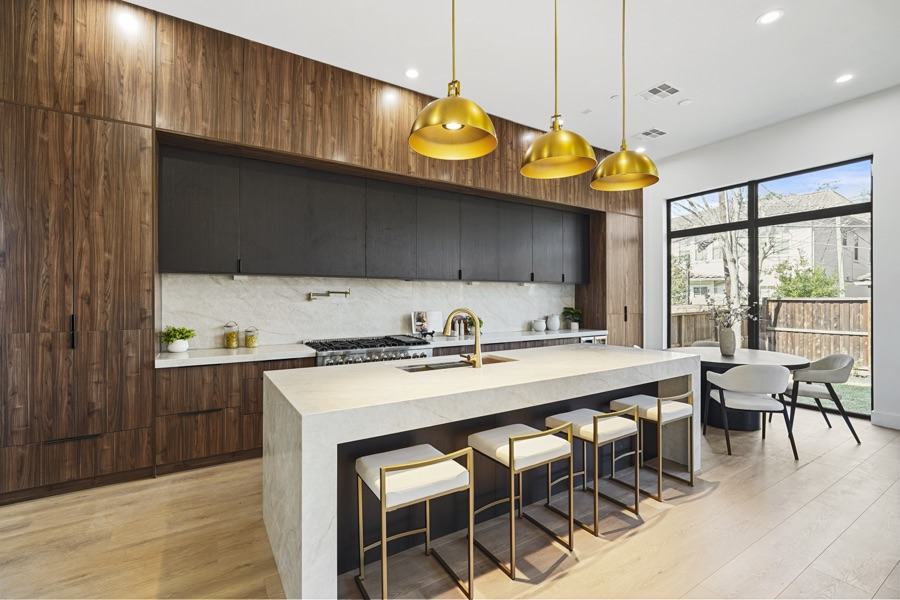
Effortless gas-strut open assist mechanism for indoor-outdoor pass-through bars, Brazilian beach houses, and modern kitchens.
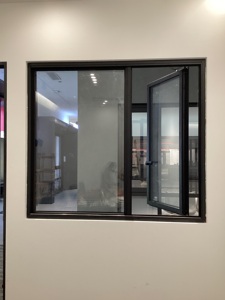
Ultra-narrow sightlines featuring a wide 20mm argon gas gap for maximum acoustic reduction and solar thermal insulation.
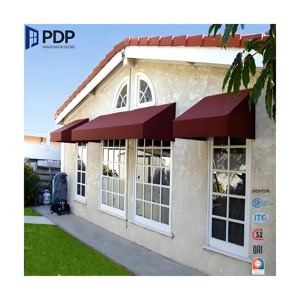
Bespoke metal alloy profiles combining vintage copper-steel aesthetics with modern thermal barrier integrity and multi-locking points.
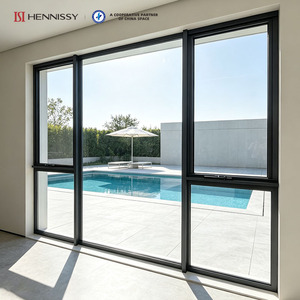
Sleek vertical opening sash configuration ideal for luxury residential towers, commercial offices, and high-ventilation spaces.
Understanding why top-tier Brazilian developers, architects, and facade engineers are shifting from legacy sliding units to European-engineered Tilt & Turn systems.
The Brazilian architectural landscape is experiencing a fundamental paradigm shift. Historically dominated by basic horizontal sliding aluminum windows—which frequently suffer from poor acoustic sealing, water infiltration during intense tropical downpours, and severe thermal bridging—the market is now rapidly demanding high-performance fenestration solutions. Driven by strict compliance requirements under ABNT NBR 10821 (the Brazilian National Standard for External Windows and Doors) and an increasing focus on sustainable building certifications such as LEED and AQUA-HQE, premium developers across Brazil are prioritizing advanced thermal and acoustic envelope performance.
As a leading tilt windows factory and export supplier for the Brazil market, our manufacturing facility delivers customized OEM/ODM engineered systems tailored specifically to South America's diverse climatic challenges. From the salt-laden atmospheric conditions of coastal towers in Balneário Camboriú and Rio de Janeiro to the dense noise pollution of São Paulo’s commercial districts, our dual-action tilt and turn windows, casements, and awning systems provide unmatched structural integrity, superior thermal comfort, and multi-point perimeter locking security.
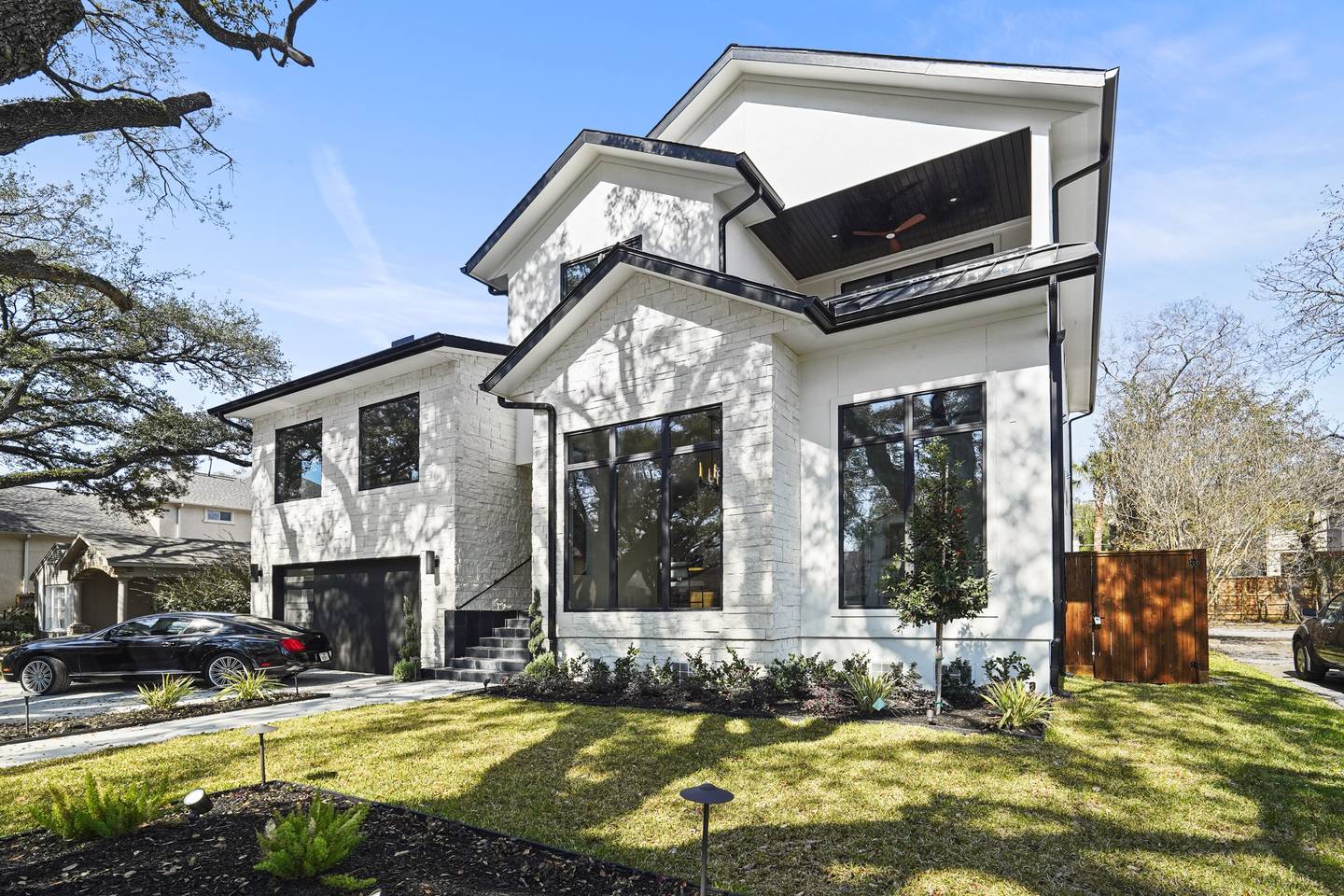
Information Gain Key Insight: Traditional sliding windows in Brazil typically achieve air infiltration ratings below Class 2 under ABNT NBR 10821, allowing humid air and street noise to enter freely. In contrast, our compression-sealed Tilt & Turn windows achieve maximum Class 4 airtightness and Class 5 water tightness (up to 750 Pa under continuous rainfall), drastically reducing building HVAC loads and interior noise levels.
How our custom-engineered window solutions solve environmental and architectural challenges across Brazil's primary geographic regions.
Locations: Balneário Camboriú, Rio de Janeiro, Fortaleza, Florianópolis.
Coastal skyscrapers experience high wind pressure loads and aggressive salt spray corrosion. We utilize heavy-wall 6063-T5 aluminum extrusions combined with Qualicoat Seaside-grade powder coating or Class 25 anodization. Multi-point locking mechanisms ensure sash compression against EPDM dual gaskets, preventing water blow-in during Atlantic tropical storms.
Locations: São Paulo, Curitiba, Belo Horizonte.
Urban high-rises along major arteries face constant acoustic pollution. Our soundproof tilt-and-turn windows integrate double-glazed laminated glass configurations (e.g., 6mm Low-E + 16A Argon + 5mm+0.76PVB+5mm Laminated), delivering sound transmission loss up to STC 42 dB for quiet interior residential and commercial environments.
Locations: Brasília, Trancoso, Gramado, Campos do Jordão.
High-end single-family residences demand expansive glass daylighting coupled with high thermal insulation. Polyamide PA66 GF25 thermal breaks interrupt conductive heat gain in tropical climates and retain interior heat in cooler southern highlands, paired with integrated stainless steel insect screens.
Direct factory control over raw material selection, thermal break assembly, hardware integration, and quality assurance.
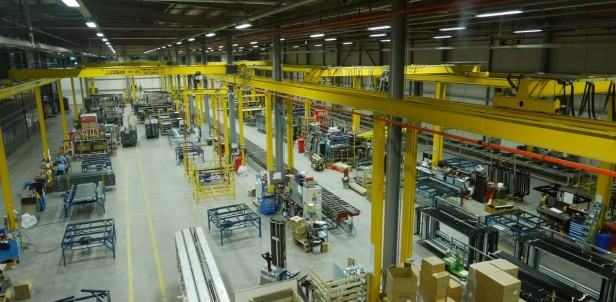
Many window suppliers in South America operate small-scale assembly shops using pre-bought aluminum extrusions with limited quality control over thermal break crimping or surface pretreatment. Our state-of-the-art facility manufactures fenestration systems under rigorous ISO 9001 and CE quality management systems.
Comparing traditional Brazilian fenestration against our factory-direct thermally broken Tilt & Turn systems.
| Performance Metric | Standard Non-Thermal Aluminum Sliding Window | Standard uPVC Tilt & Turn Window | Royal Windoor Thermally Broken Aluminum Tilt & Turn |
|---|---|---|---|
| Structural Wind Load (ABNT NBR 10821) | 1,200 - 1,800 Pa (Moderate) | 1,800 - 2,500 Pa (Reinforced) | 3,000 - 4,500 Pa (High-Rise Storm Grade) |
| Air Infiltration Rating | Class 2 (High leakage through brush seals) | Class 3 (Good seal) | Class 4 (Maximum Compression Seal) |
| Thermal Transmittance (U-Value) | ~5.8 W/m²K (Extreme thermal bridge) | ~2.2 W/m²K (Good insulation) | 1.4 - 1.8 W/m²K (Polyamide Barrier + Low-E IGU) |
| Acoustic Insulation (STC / Rw) | 22 - 26 dB (Poor noise reduction) | 32 - 36 dB (Moderate) | 38 - 44 dB (Acoustic Laminated Glass Option) |
| UV & Salt Spray Resistance | Fades / Oxidizes in coastal environments | Can yellow or warp under intense tropical sun | Qualicoat Seaside / Class 25 Anodized Finish |
| Sightline Aesthetics | Bulky overlapping center mullions | Thick plastic profile frames | Ultra-Slim Architectural Profiles |
Macro environmental factors, regulatory mandates, and aesthetic preferences shaping modern Brazilian construction.
Brazil’s Norma de Desempenho (NBR 15575) mandates strict minimum requirements for thermal, acoustic, and luminous comfort in residential buildings. Real estate developers face severe legal liability for post-occupancy acoustic or water leakage failures. Importing engineered tilt-and-turn windows certified for high acoustic dampening and water tightness ensures full regulatory compliance for commercial launches.
Brazilian coastal cities lead Latin America in high-rise residential density. Traditional sliding sashes rattle and leak under gale-force wind pressures above 20 stories. Tilt and turn windows utilize continuous perimeter locking cams that press the sash tighter against the frame as exterior wind pressure increases, securing structural integrity at high altitudes.
Urban security remains a top priority for Brazilian homeowners. Traditional casements opened wide pose an intrusion risk on lower floors or during nighttime hours. The tilt position creates a secure 100mm gap at the top of the window, allowing hot rising air to escape and fresh breezes to circulate without compromising ground-floor physical security or allowing rain penetration.
Exterior glass maintenance on 30-story apartment buildings is dangerous and expensive. By engaging the handle's 90-degree turn mode, the tilt-and-turn window swings entirely inward like a door, permitting safe, easy cleaning of exterior glass surfaces from inside the room without external scaffolding or ropes.
Realized fenestration designs engineered and supplied for luxury multi-family towers, modern villas, and commercial spaces.
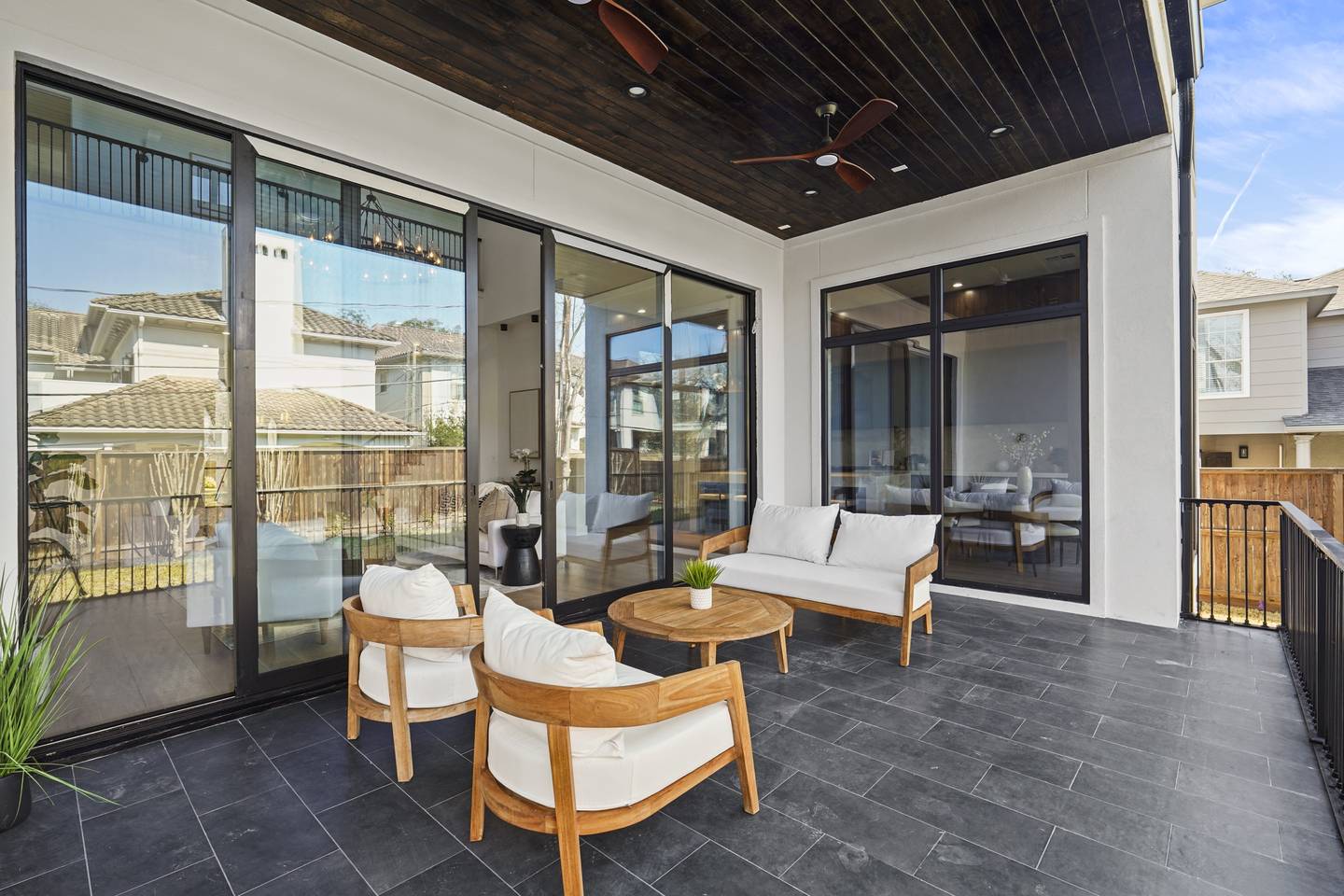
Thermally broken minimal sightline window systems seamlessly connecting living spaces to outdoor verandas.
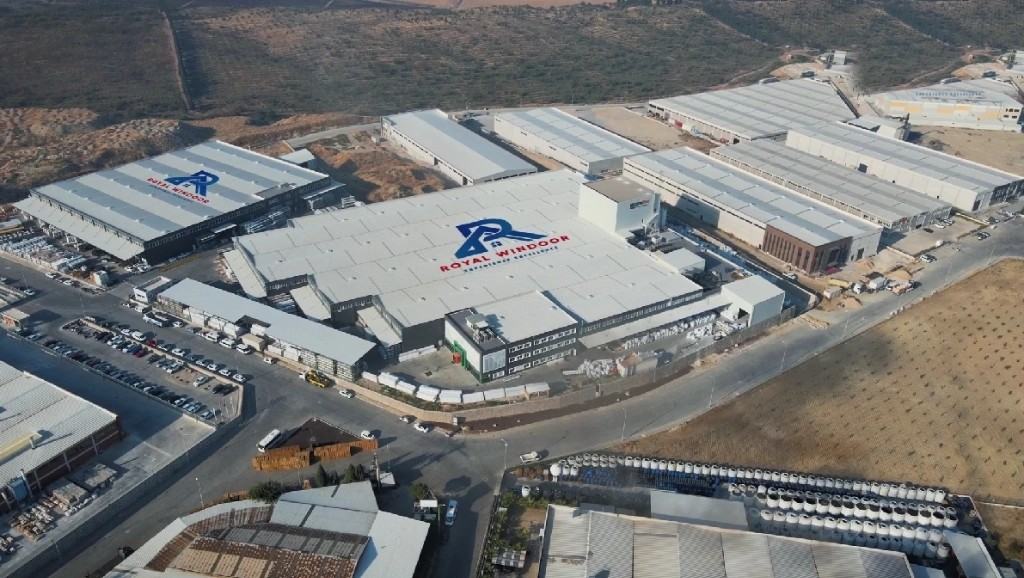
Over 50,000 m² of automated extrusion, glazing, and assembly facilities supporting international export container shipping.
Matte anodized black, bronze, and custom RAL powder coatings engineered for harsh tropical UV resistance.
Essential guidance on importing window units, NCM customs classification, ABNT compliance, freight consolidation, and containerized delivery to Brazilian ports.
Aluminum windows imported into Brazil fall under NCM Code 7610.10.00 (Doors, windows and their frames and thresholds for doors, of aluminum). Import duty (II - Imposto de Importação) generally ranges between 14% and 16%, supplemented by IPI, PIS/COFINS, and ICMS state taxes. We work directly with Brazilian importers, trade brokers, and construction companies to provide complete export documentation, including detailed Commercial Invoices, Packing Lists with net/gross weights, Certificates of Origin, and containerized wood-crate packaging certified under ISPM-15 heat treatment rules.
Our window lines are engineered to meet and exceed ABNT NBR 10821-2 structural and weather tightness specifications. We perform rigorous chamber testing for air permeability, water tightness under static/dynamic pressure, and structural deformation under wind pressures up to 3,500 Pa. Test reports and technical shop drawings are supplied to structural engineers and facade consultants in Brazil prior to mass fabrication.
We regularly ship FCL (Full Container Load) 20ft and 40ft High-Cube shipments to major Brazilian sea ports, including Porto de Santos (São Paulo), Porto de Paranaguá (Paraná), Porto do Rio de Janeiro, and Porto de Suape (Pernambuco). Typical ocean transit times from our manufacturing port to Santos range between 24 and 32 days depending on the shipping line (e.g., MSC, Maersk, CMA CGM).
Yes. Every window unit is custom manufactured according to project rough openings provided by architectural drawings. Furthermore, because we utilize Polyamide PA66 thermal break strips to join interior and exterior aluminum extrusions, we offer dual-color customization—allowing developers to specify dark anodized black or bronze for the exterior facade while maintaining clean powder-coated white or wood-grain textured finishes for interior living spaces.
All structural 6063-T5 aluminum extrusions come with a 10-Year Limited Warranty against cracking, structural failure, and excessive finish fading. German hardware systems (Siegenia/Roto gearboxes, hinges, and drive handles) carry a 5-Year operational warranty, while insulated glass units (IGUs) are warranted for 10 years against seal failure and interior fogging. Spare hardware parts and replacement seal gaskets are included with container shipments for local maintenance reserves.
Submit your architectural elevation drawings or window schedules today. Our engineering team will review your wind-load, acoustic, and thermal requirements to provide a comprehensive factory-direct quote and structural specification package.