Curated specifically for Tokyo’s demanding climate, strict fire safety laws (Building Standards Act Article 64), and rigorous seismic deformation tolerances.
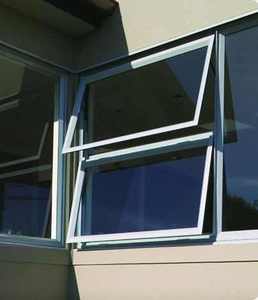
Integrated electric blinds with motorized chain actuators. Ideal for Tokyo attic conversions and urban rooftop light wells.
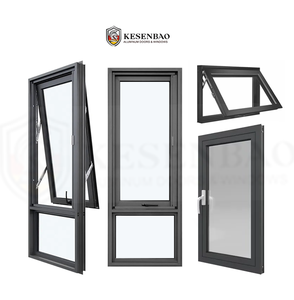
Multi-chamber acoustic insulation reaching STC 42dB. Engineered to suppress urban train noise in high-density residential zones.
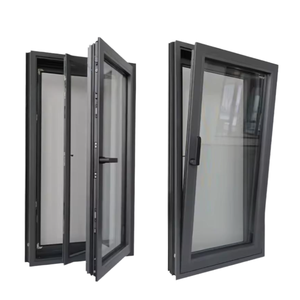
Polyamide PA66 thermal barrier prevents internal condensation during Tokyo's humid summers and cold winters.
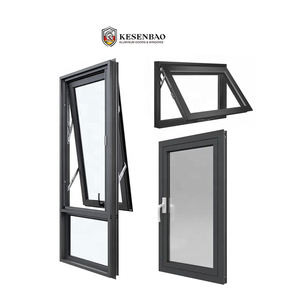
Tested for structural wind pressure up to 4500Pa. Provides extreme weather protection for coastal Tokyo Bay properties.
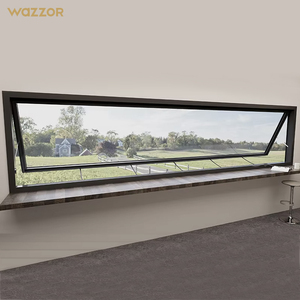
Smooth gas-strut open assist mechanism creates zero-post open counter spaces for Shibuya and Harajuku commercial storefronts.
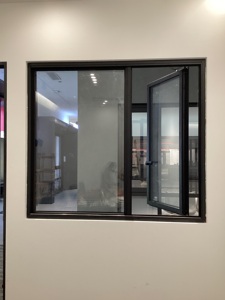
Features a wide 20mm argon gas spacer between tempered glass panes, offering ultra-low heat gain coefficients (SHGC 0.28).
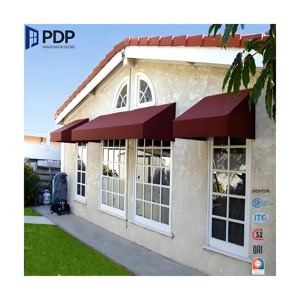
Authentic cold-rolled steel and bronze/copper alloy profiles offering maximum structural strength with minimal 25mm sightlines.
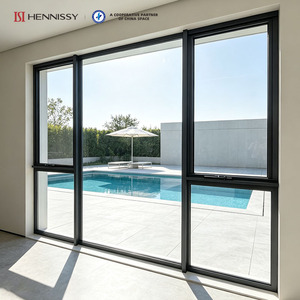
High-tensile security flyscreen combined with vertical opening geometry. Designed for secure night ventilation in Tokyo homes.
Designing and specifying steel and high-strength architectural windows for the Greater Tokyo Metropolitan Area requires navigating a unique combination of structural, thermal, and regulatory constraints. Unlike standard European or North American residential projects, Tokyo architectural projects operate under the strict mandates of the Japan Building Standards Act (建築基準法 - Kenchiku Kijun-hō), which imposes rigorous fire-prevention zones (Bouka-reiki / 防火地域) across central wards like Minato, Shibuya, Chiyoda, and Shinjuku.
In these urban density zones, exterior window assemblies must meet strict fire-rated door and window certifications (Bouka-do 防火戸) while handling intense seismic drift forces calculated under Japan's Shinsai structural engineering frameworks. Additionally, Tokyo falls within Climate Zone 6 of Japan’s energy conservation standards, demanding thermal performance (U-values below 1.5 W/m²K) to mitigate severe summer solar heat gain and winter heat loss.
Architects in Tokyo heavily favor steel and ultra-slim profile thermal-break aluminum windows due to their unparalleled structural modulus. Steel possesses a modulus of elasticity (200 GPa) approximately three times higher than standard aluminum (69 GPa). This enables:
A comparative evaluation based on structural alloy quality, thermal breaks, lead times, and compliance with Japanese building codes.
| Manufacturer / Brand | Primary Material & Alloy | Thermal Break Tech | Max Wind Load (Pa) | Fire-Rating (Bouka-do) | Avg. Lead Time to Tokyo |
|---|---|---|---|---|---|
| Royal Windoor / Engineering Direct | Cold-Rolled Steel & 6063-T5 Thermal Aluminum | Polyamide PA66 (24mm–34mm) | 4500 Pa (DP65) | Custom Tested Options Available | 3 – 5 Weeks |
| LIXIL Corporation (Japan) | Extruded Aluminum & Resin Hybrid | Resin Thermal Insert | 2800 Pa | JIS Certified Stock | 2 – 4 Weeks (Domestic) |
| YKK AP Inc. (Japan) | Aluminum-Vinyl Composite | Multi-Chamber Vinyl | 3000 Pa | JIS Certified Stock | 2 – 4 Weeks (Domestic) |
| Crittall Windows (UK) | Hot-Rolled Architectural Steel | Cold-Formed Steel Break | 3500 Pa | BS / EN Standard Tested | 10 – 14 Weeks |
| Hope's Windows (USA) | Custom Solid Hot-Rolled Steel | Thermal Evolution Technology | 4000 Pa | ASTM / UL Fire Tested | 12 – 16 Weeks |
| Secco Sistemi (Italy) | Brass, Copper, Stainless & Corten Steel | Polyamide Thermal Inserts | 3800 Pa | EN 16034 Standard | 8 – 12 Weeks |
| Ottostumm (Switzerland) | Architectural Steel & Bronze | High-Density Polyurethane | 4200 Pa | EI30 / EI60 Ratings | 8 – 10 Weeks |
| MHB Steel Windows (Netherlands) | Solid Steel Ultra-Slim | Fiberglass Reinforced Polymer | 4500 Pa | EW30 / EI30 Ratings | 10 – 12 Weeks |
| Sky-Frame (Switzerland) | Structural Aluminum / Glass Steel Rim | Glass Fiber Reinforced Plastic | 4000 Pa | Swiss Fire Standard | 10 – 14 Weeks |
| Wazzor Architectural Systems | High-Tensile 6063-T5 & Steel Framing | Polyamide PA66 Barrier | 3600 Pa | International Standard | 4 – 6 Weeks |
*Note: Technical parameters reflect standard production metrics. Custom shop drawings and engineering calculations (JIS A 4706) are issued prior to containerized consolidation.
Real-world integration of engineered steel and thermal window assemblies in Tokyo's micro-climate zones and urban topographies.
In dense residential pockets like Hiroo, Daikanyama, and Azabu, narrow lots dictate micro-footprints. Utilizing ultra-slim steel French casement windows allows maximum glass area, providing up to 15% more daylight transmission compared to bulky domestic vinyl frames. Coupled with acoustic laminated double glazing, these systems eliminate ambient street and expressway noise.
Structures facing Tokyo Bay suffer from chloride-laden salty sea breezes and heavy summer typhoon wind loads (reaching peak pressure above 3500 Pa). Heavy-duty AS2047 double-glazed awning and fixed windows with marine-grade fluorocarbon powder coating (PVDF) prevent surface pitting corrosion while remaining completely impervious to water penetration.
Luxury flagship retail outlets require expansive, unobstructed glass facades with structural stability. Gas-strut assisted top-out awning windows and motorized slim-frame sliding glass walls provide seamless transitions between street level and high-end retail interior spaces, meeting high architectural aesthetic demands.
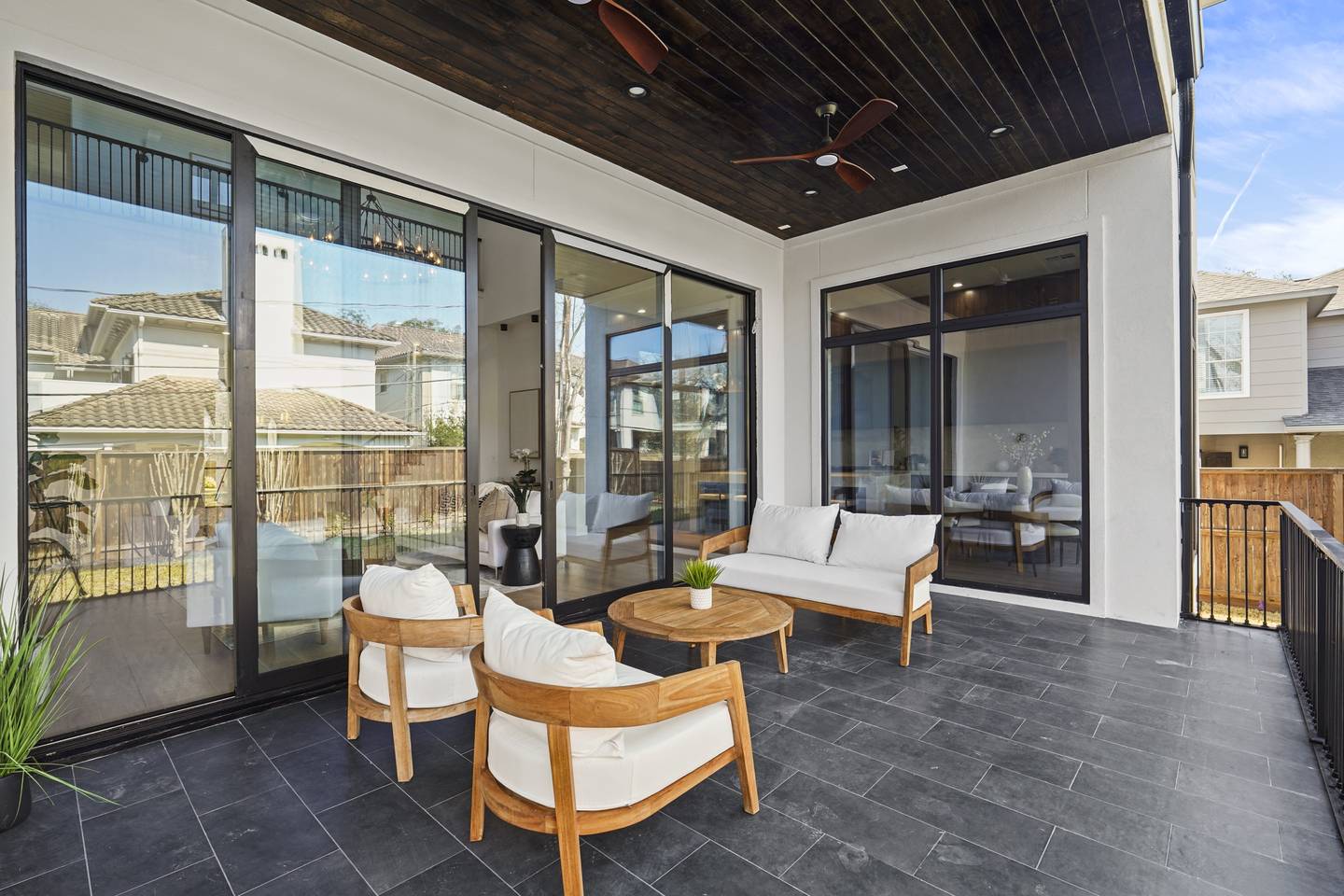
The Tokyo Metropolitan Government has enacted mandatory solar panel installation and high-efficiency insulation guidelines for new residential developments. Standard single-pane or non-thermally broken frames are virtually obsolete. High-density polyamide thermal break profiles filled with polyurethane insulation are now the baseline requirement to achieve necessary building envelope thermal ratings.
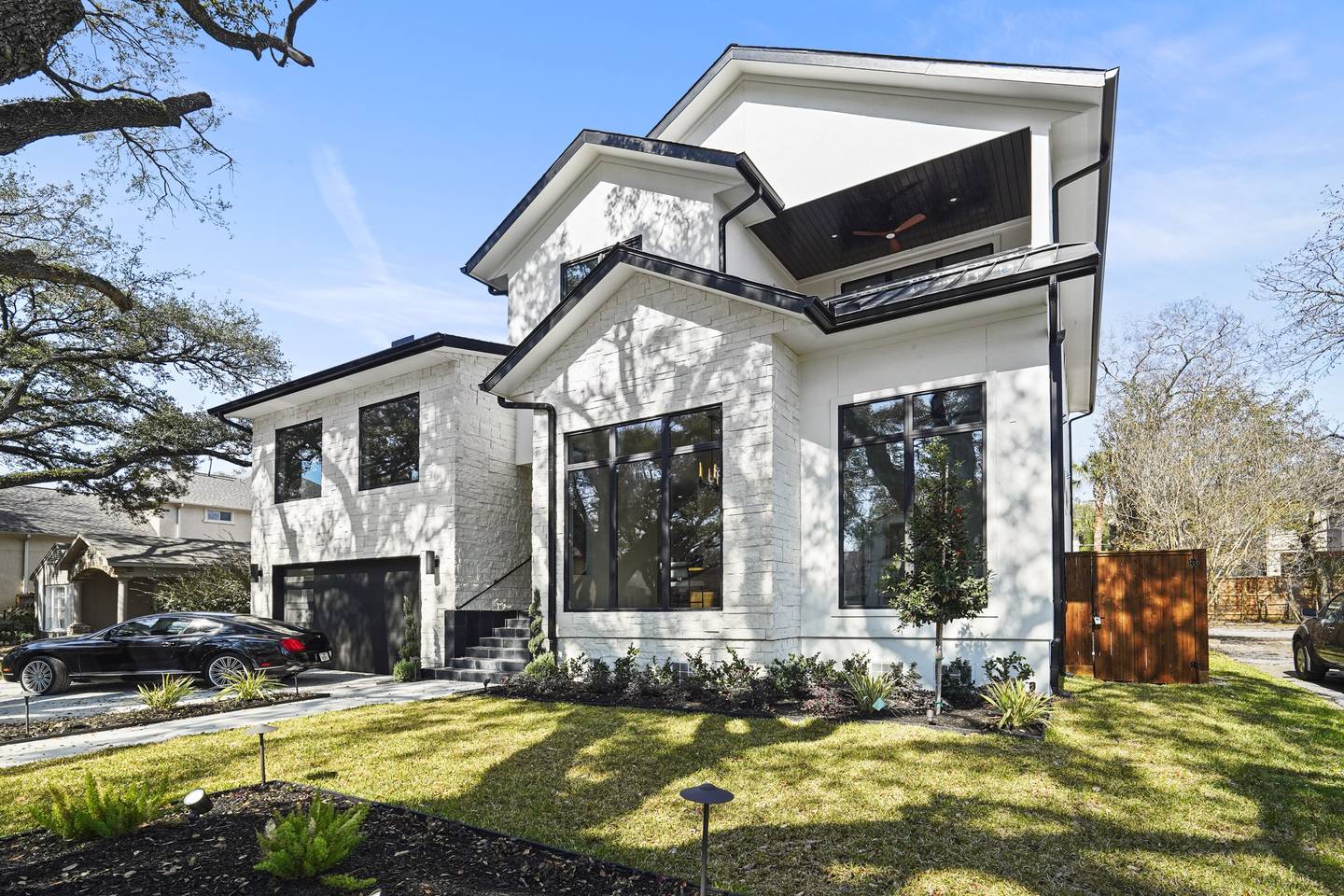
Modern Tokyo residential architecture has seen a mass shift away from light-colored aluminum toward matte black, bronze, and textured dark-charcoal powder-coated steel aesthetics. The ultra-flat industrial aesthetic mimics historic Japanese steel-framed factory windows while delivering modern thermal efficiency.
With Tokyo's tech-forward living environments, electric skylights and motorized awning windows integrated with home automation systems (Apple HomeKit, Google Home, KNX protocols) are rapidly becoming standard. Motorized rain sensors automatically seal roof windows during sudden summer rain squalls (ゲリラ豪雨 - Guerrilla Rainstorms).
Why architects, trade buyers, and general contractors in Tokyo partner directly with our manufacturing facilities.
We extrude precision structural profiles using primary grade 6063-T5 aluminum alloys and high-tensile cold-rolled steel framing. All extrusions undergo rigorous tension and yield stress testing to guarantee structural longevity under seismic flex.
We integrate original German hardware suites (ROTO, Siegenia, Hoppe) into our sash mechanisms. This ensures 50,000+ opening cycle durability, compression weather sealing, and anti-burglary multi-locking security points.
Units are 100% factory-assembled, sealed, and glazed. Shipped in heavy-duty reinforced wooden crates with waterproof vapor barrier shrink wrap. Fully consolidated container shipping direct to Tokyo or Yokohama ports with complete trade clearance documentation.
Addressing compliance, thermal engineering, shipping logistics, and structural customisation.
Speak directly with our technical fenestration specialists. We review structural opening schedules, recommend optimal thermal break profiles, and provide direct factory pricing for Japanese deliveries.