Factory-direct 6063-T5 extruded profile solutions engineered with multi-chamber polyamide thermal bridges, tailored for residential, luxury villa, and high-rise developments across Greater Seoul.
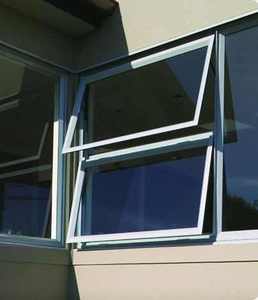
Featuring double-sealed EPDM gaskets, heavy-duty 6063-T5 aluminum, and automated shading. Ideal for attic conversions and penthouse natural daylighting in Seoul.
Contact Us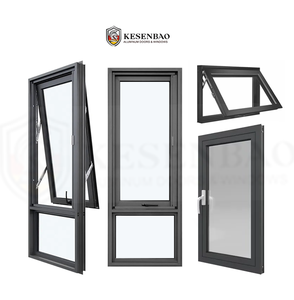
Multi-chamber polyamide thermal break providing STC 42dB acoustic isolation. High-density weatherstripping stops winter air infiltration and urban metro noise.
Contact Us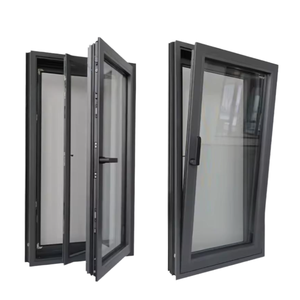
Precision German hardware mechanisms combined with high-grade mosquito screens. Delivers exceptional moisture tightness during East Asian summer monsoons.
Contact Us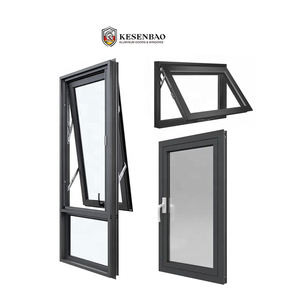
Engineered for extreme structural wind load resilience up to 4500 Pa. Double Low-E insulated glass units (IGU) drastically reduce seasonal heating demand.
Contact Us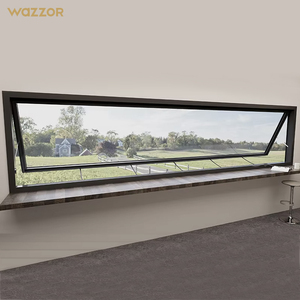
Effortless outward opening powered by marine-grade gas struts. Perfect for Seongsu-dong cafe fronts, roof gardens, and commercial indoor-outdoor transitions.
Contact Us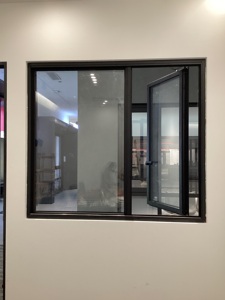
Minimalist frame aesthetic maximizing natural solar gain while utilizing a 20mm warm-edge airspace to eliminate internal surface condensation.
Contact Us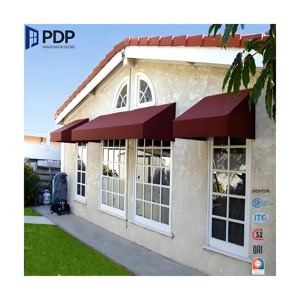
Bespoke architectural fenestration marrying antique metallic aesthetics with modern multi-barrier thermal break engineering for luxury retrofits.
Contact Us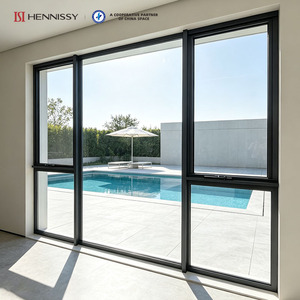
Engineered to rigorous AS2047 and KS standards. Heavy-gauge aluminum framing featuring concealed multi-point locking for maximum urban security.
Contact UsSeoul presents one of Asia’s most challenging thermal environments for architectural fenestration. Situated in a humid continental zone influenced by Siberian anti-cyclonic winds in winter and East Asian Monsoons in summer, exterior building envelopes face temperature swings ranging from -15°C freezing winter nights to +35°C humid summer afternoons.
Unreinforced monolithic aluminum profiles act as massive thermal bridges. In cold months, heat rapidly escapes from interior living spaces to the cold outside air, causing interior frame surface temperatures to drop below the indoor dew point. This leads to severe frame condensation, mold proliferation, structural wood degradation, and excessive heating bills under South Korea’s strict energy pricing structure.
To comply with South Korea’s updated Green Building Certification Criteria (G-SEED) and the KS F 3117 standard for window sets, leading specifiers, structural engineers, and property developers in Seoul are replacing legacy vinyl and uninsulated aluminum with high-performance thermally broken 6063-T5 aluminum fenestration systems.
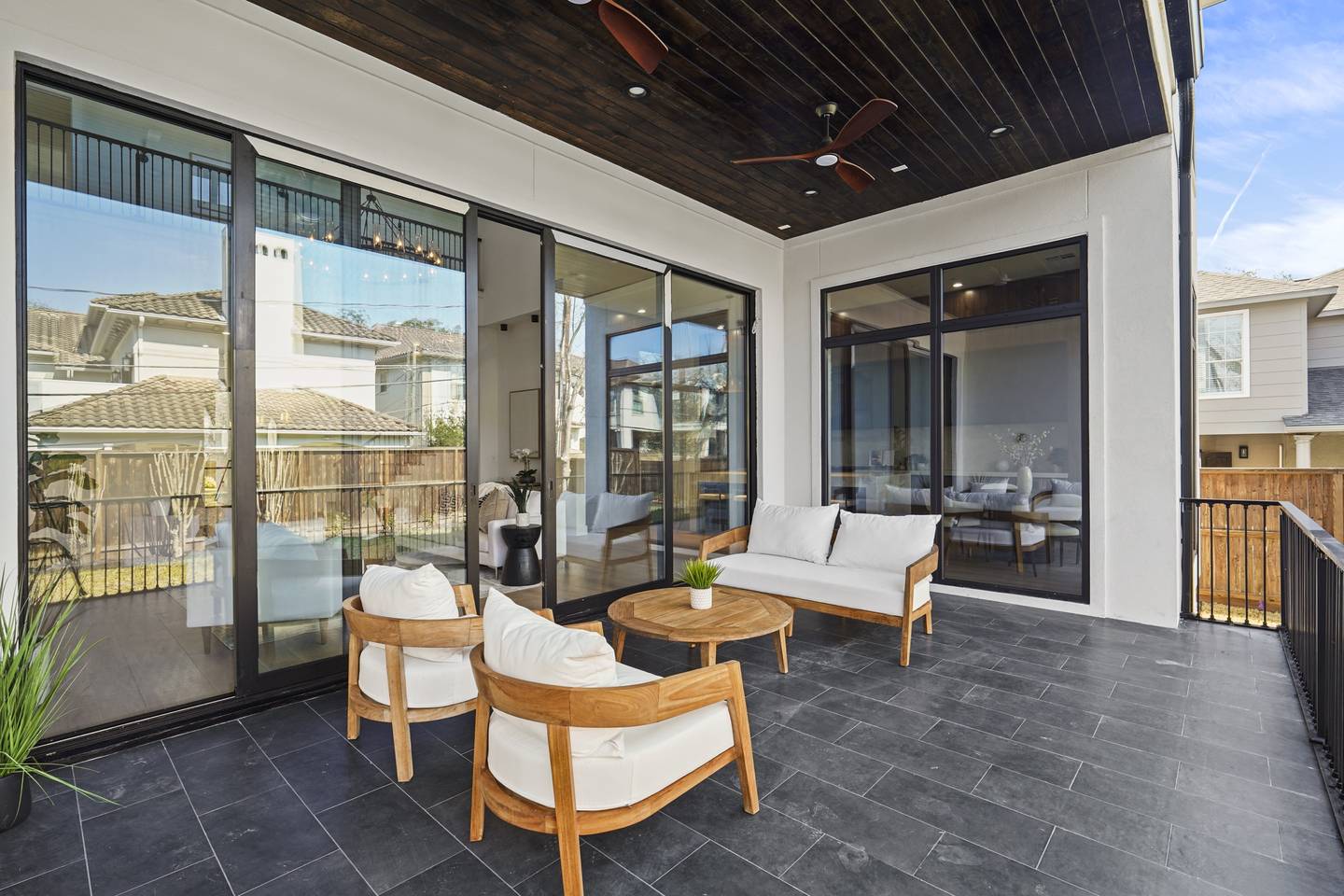
Understanding how polyamide isolation strips transform structural aluminum into an energy-saving thermal envelope.
Unlike cheap PVC thermal fills that degrade under thermal expansion, our systems utilize Technoform PA66 GF25 strips. Reinforced with 25% glass fibers, their coefficient of thermal expansion matches structural 6063-T5 aluminum precisely, preventing delamination across extreme Seoul seasonal shifts.
Integrating 20A warm-edge Swiss spacers with double silver Low-E coatings. By filling IGU chambers with 90%+ pure Argon gas, center-of-glass U-factors reach as low as 0.65 W/m²K, minimizing radiant heat loss during frigid Seoul winters.
Continuous triple-seal EPDM rubber gaskets eliminate air filtration at sash perimeter joints. This guarantees air-tightness class compliance (KS F 3117 Class 1), blocking urban dust, yellow dust (Hwangsa), and cold draft penetration.
From Gangnam high-rises to Hanok heritage retrofits, custom engineered systems solve site-specific performance challenges.
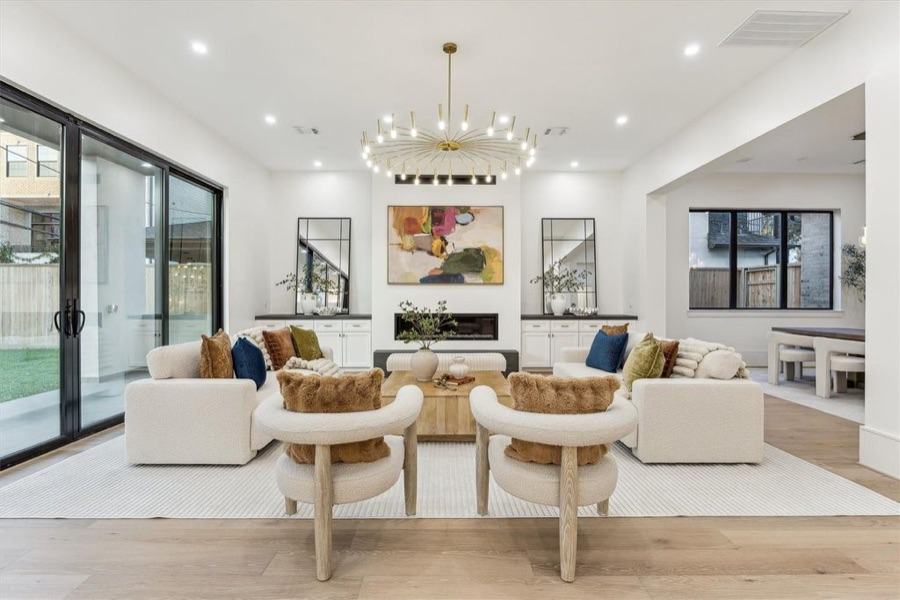
High-density residential towers along the Han River require minimal sightline sliding glass doors capable of resisting intense wind load pressures while offering unobstructed panoramic city views. Our ultra-slim 20mm interlock minimal sliding doors utilize heavy-duty stainless steel tandem rollers to support oversized 800kg glass panels with effortless operation.
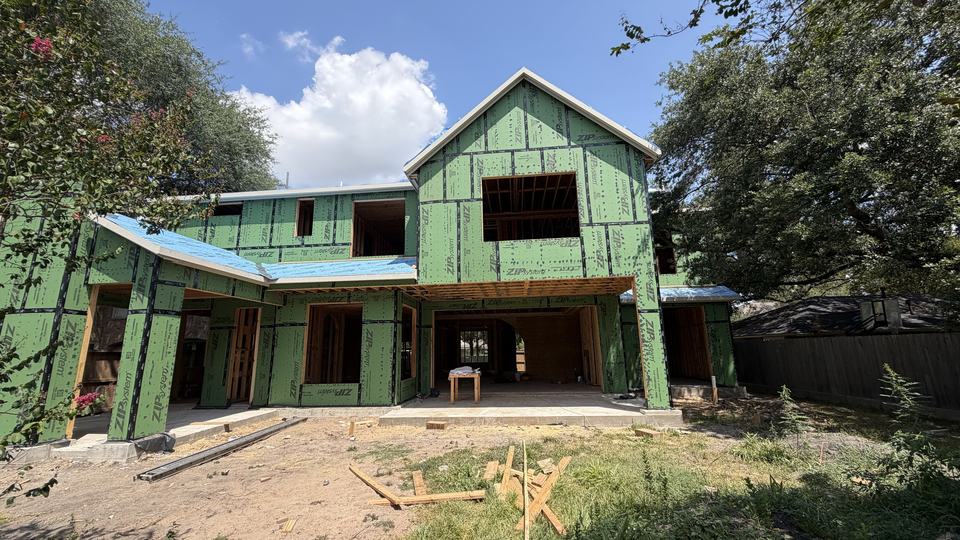
Commercial developments in Pangyo and Yeouido demand strict compliance with South Korea’s Zero Energy Building (ZEB) certification. Thermally broken curtain walls and heavy-duty tilt-and-turn window schedules ensure thermal isolation, integrated acoustic damping against traffic noise, and solar heat gain coefficient (SHGC) control.
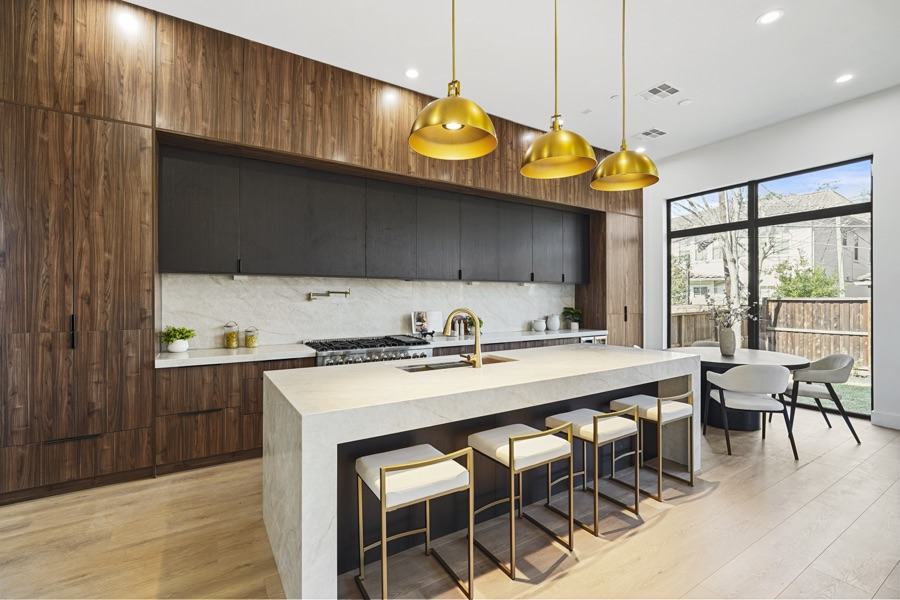
Integrating modern thermal efficiency into traditional Korean architectural silhouettes. Custom wood-grain anodized powder coat finishes match timber structural posts while replacing single-pane sliding frames with energy-saving dual-seal thermal casements.
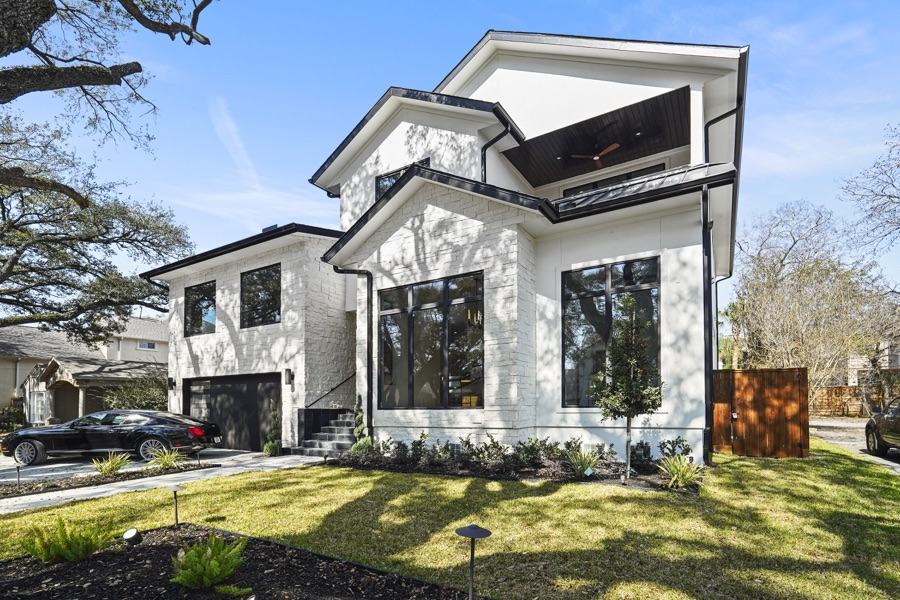
Coastal areas near Incheon encounter airborne sea salts and humid summer winds. Qualicoat Class 2 powder-coated aluminum surfaces combined with 316-grade stainless steel hardware guarantee long-term resistance against galvanic pitting and surface degradation.
An objective technical comparison of the leading global and regional manufacturers supplying the South Korean market in 2026.
| Manufacturer / Brand | Origin | Thermal Barrier Tech | Avg U-Factor (W/m²K) | Seoul Lead Time | Primary Strengths |
|---|---|---|---|---|---|
| Royal Windoor US | US / Global Export | Technoform PA66 GF25 Strip | 0.85 - 1.10 | 4 - 6 Weeks | Factory-direct custom engineering, 6063-T5 extrusions, German hardware, competitive pricing. |
| Schüco International | Germany | Polyamide Air-Chamber Bar | 0.80 - 1.20 | 10 - 14 Weeks | Premium European engineering, high architectural status, extensive profile range. |
| Reynaers Aluminium | Belgium | Multi-Cavity Fiberglass Strip | 0.88 - 1.25 | 10 - 12 Weeks | Excellent minimal sliding door designs, high structural wind pressure ratings. |
| YKK AP | Japan | Extruded Resin-Aluminum Composite | 1.10 - 1.40 | 6 - 8 Weeks | Compact modern detailing, precise hardware mechanisms, strong East Asian presence. |
| LX ZIN (LX Hausys) | South Korea | Internal Polyamide Insert | 0.95 - 1.30 | 2 - 4 Weeks | Dominant domestic distribution network, immediate local project service support. |
| KCC Window | South Korea | Hybrid Polyurethane / Nylon | 1.00 - 1.35 | 2 - 4 Weeks | Widespread specify rate across standard apartment housing complexes in Korea. |
| Cortizo Systems | Spain | Tubular Polyamide Bar | 0.90 - 1.30 | 8 - 10 Weeks | Ultra-slim sightlines for minimalist modern architecture and luxury villas. |
| Aluk Group | Italy | Over-Molded PA66 Strip | 1.05 - 1.40 | 8 - 12 Weeks | Versatile commercial curtain wall profiles and casement systems. |
| TOMA Building | Global Export | Standard Dual Polyamide | 1.20 - 1.50 | 4 - 6 Weeks | Specialized skylight, motorized awning, and electric blind integration. |
| Wazzor Windows | Global Export | Polyamide Thermal Bridge | 1.15 - 1.45 | 4 - 6 Weeks | Gas-strut architectural windows, bi-fold systems, customized commercial openings. |
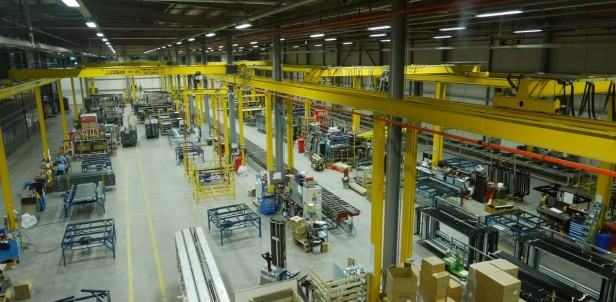
Ordering fenestration for international export requires absolute precision. A 2mm measurement error or an improperly specified thermal break strip can result in unusable crated shipments and project downtime. Royal Windoor operates a single-chain manufacturing process where design, structural calculation, profile extrusion, thermal assembly, glass IGUs, and export crating occur under unified quality control.
Addressing technical standards, customs clearance, thermal performance, and logistics for South Korea shipments.
Our export systems are engineered to exceed KS F 3117 (Window Sets) requirements. Profiles are tested for structural wind resistance (up to 4500 Pa), water tightness (Class 35 or higher), and air tightness (Class 1). We provide certified test report documentation covering U-factors and Solar Heat Gain Coefficients (SHGC) necessary for submission to Korean municipal building authorities.
For Seoul’s climate (Zone 1 energy region), we recommend a minimum glass build-up of 6mm Low-E + 16A (Argon) + 6mm Clear with Swisspacer warm-edge spacers inside a 24mm polyamide thermally broken frame. For passive houses or ZEB projects in Northern Gyeonggi-do, a triple-pane 6mm Low-E + 12A + 6mm Clear + 12A + 6mm Low-E unit achieves U-factors below 0.85 W/m²K, completely eliminating internal frost and condensation down to -20°C ambient temperatures.
Production lead time for custom thermally broken aluminum windows typically ranges from 3 to 5 weeks depending on hardware and powder coat specifications. Oceanic transit from our facility to Incheon Port or Busan Port takes approximately 18 to 24 days. Complete door-to-door delivery with customs clearance assistance is available through our regional logistics partners.
Traditional sliding windows leak air through perimeter brush seals. Tilt-and-turn systems utilize dual continuous EPDM compression gaskets around the entire sash frame. When closed and locked via multi-point hardware, the sash compresses against the frame to form a hermetic seal. This provides superior sound insulation against urban traffic, eliminates cold drafts, and allows safe indoor tilt-ventilation during rainstorms.
Our engineering department generates full 2D CAD shop drawings and 3D detail sections for every opening. We verify rough opening dimensions, slab-to-slab height clearances, anchorage points, exterior flashing details, and glass weights. Manufacturing begins only after your project architect or contractor approves and signs off on the technical drawings.
All products carry a comprehensive written manufacturer warranty: 10 years on 6063-T5 aluminum extrusions and structural polyamide thermal break bonds, 10 years against seal failure inside Insulated Glass Units (IGU), and 5 years on German mechanical hardware and surface powder coat finishes. Replacement components are dispatched via express air freight if required.
Submit your window schedule or architectural CAD drawings. Our structural fenestration engineers will provide U-factor calculations, wind load assessments, and factory-direct price estimates within 24 hours.